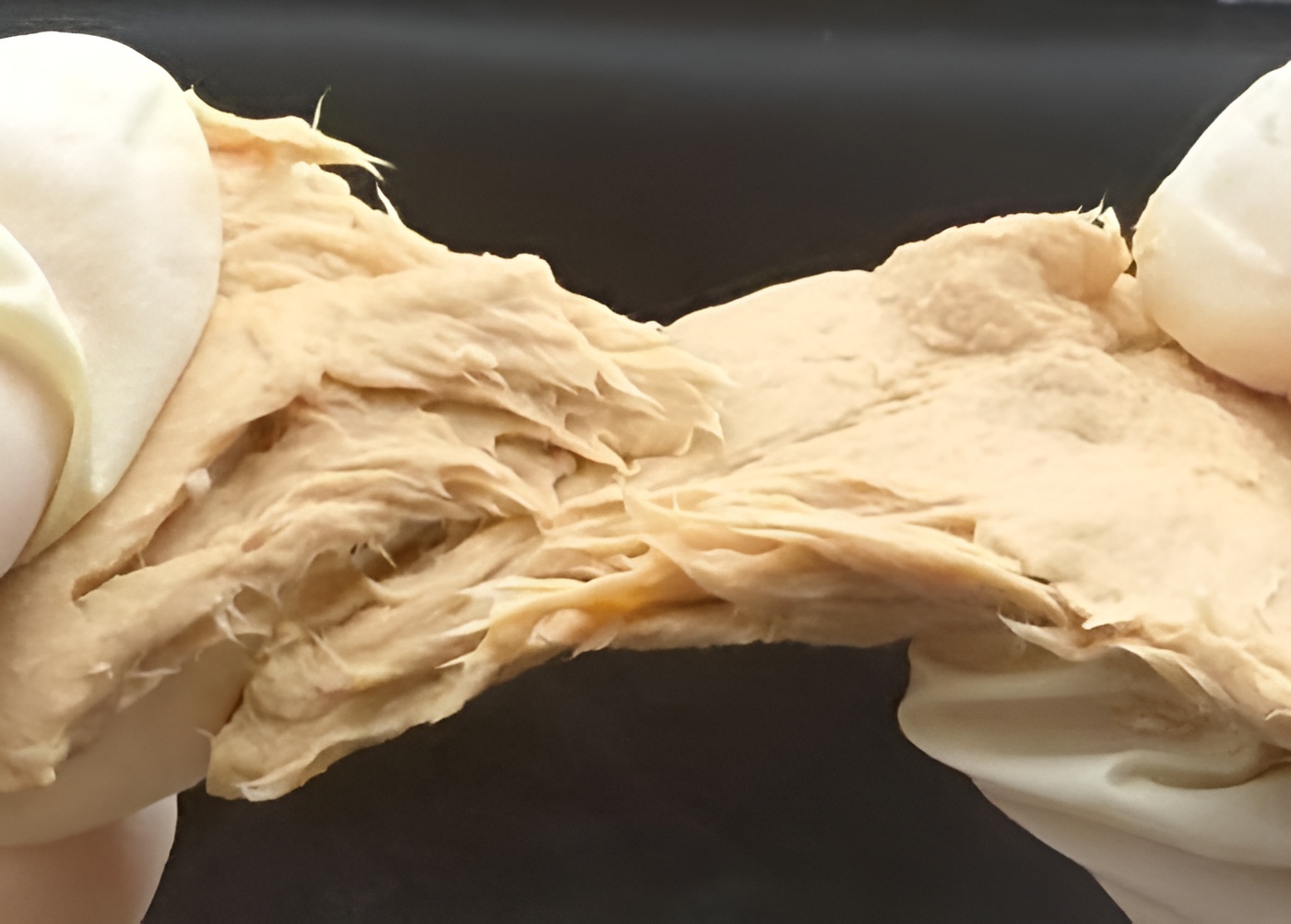

Researchers have engineered a meat-like fungus that grows 88 per cent faster and is significantly easier for humans to digest, offering a scalable solution to global protein demand without adding foreign DNA.
The breakthrough, published in Trends in Biotechnology, used CRISPR technology to tweak Fusarium venenatum, a mould already approved for food use in the UK, US and China. By removing specific genes, the team reduced the environmental impact of production by up to 61 per cent while increasing nutritional availability.
“We successfully made a fungus not only more nutritious but also more environmentally friendly by tweaking its genes,” said corresponding author Xiao Liu of Jiangnan University.
Boosting digestibility and speed
The researchers modified the fungus by removing the gene associated with chitin synthase, which thinned the cell walls and made the protein inside easier for humans to digest. Simultaneously, removing the pyruvate decarboxylase gene fine-tuned the organism’s metabolism.
The resulting strain, dubbed FCPD, requires 44 per cent less sugar input to produce the same amount of protein as the original strain and achieves this production 88 per cent faster.
Simulations of FCPD production at an industrial scale across six countries showed a dramatically lower environmental footprint. When compared to chicken production in China, the genetically edited mycoprotein requires 70 per cent less land and reduces the risk of freshwater pollution by 78 per cent.
“Gene-edited foods like this can meet growing food demands without the environmental costs of conventional farming,” said Liu.