
Diagnosing addiction is notoriously difficult due to stigma and denial, but scientists have developed a new artificial intelligence tool that can identify substance use disorders simply by asking patients to rate a series of pictures.
In a study published in the Nature journal Mental Health Research, researchers from the University of Cincinnati report that their system can predict addiction behaviours with up to 83 per cent accuracy and determine the severity of the disorder with 84 per cent accuracy.
“This is a new type of AI that can predict mental illness and commonly co-occurring conditions like addiction,” says Hans Breiter, a professor at the UC College of Engineering and Applied Science. “It’s a low-cost first step for triage and assessment.”
The diagnostic game
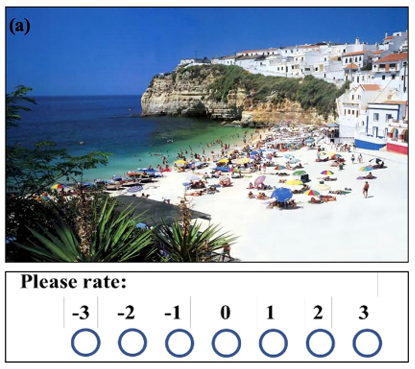
Current clinical standards rely heavily on identifying destructive behaviours, but patients are not always forthcoming. The new tool bypasses standard questionnaires. Instead, participants are shown 48 pictures containing “mildly emotional stimuli” and asked to rate how much they like or dislike them.
While the task seems simple, it generates a unique preference profile from over 1.3 trillion possibilities. The AI analyses this data using concepts from behavioural economics — such as a person’s aversion to risk or loss — to build a psychological profile.
“Anyone with a smartphone or computer can do the picture rating task. It’s low cost, scalable and resilient to manipulation,” says Sumra Bari, the paper’s lead author.
The study, which examined 3,476 participants, found that the AI could distinguish between the use of stimulants, opioids, or cannabis with up to 82 per cent accuracy.
The analysis revealed that individuals with severe substance use disorders tended to be more risk-seeking, less resilient to losses, and exhibited less variety in their preferences.
Bari notes that because the system predicts behaviours directly, it could potentially be adapted to diagnose other behavioural addictions, such as excessive gaming, social media use, or overeating.