
Medical students can now receive real-time, personalised critiques of their surgical skills from an AI tutor, potentially solving the training bottleneck caused by an acute shortage of human surgeons.
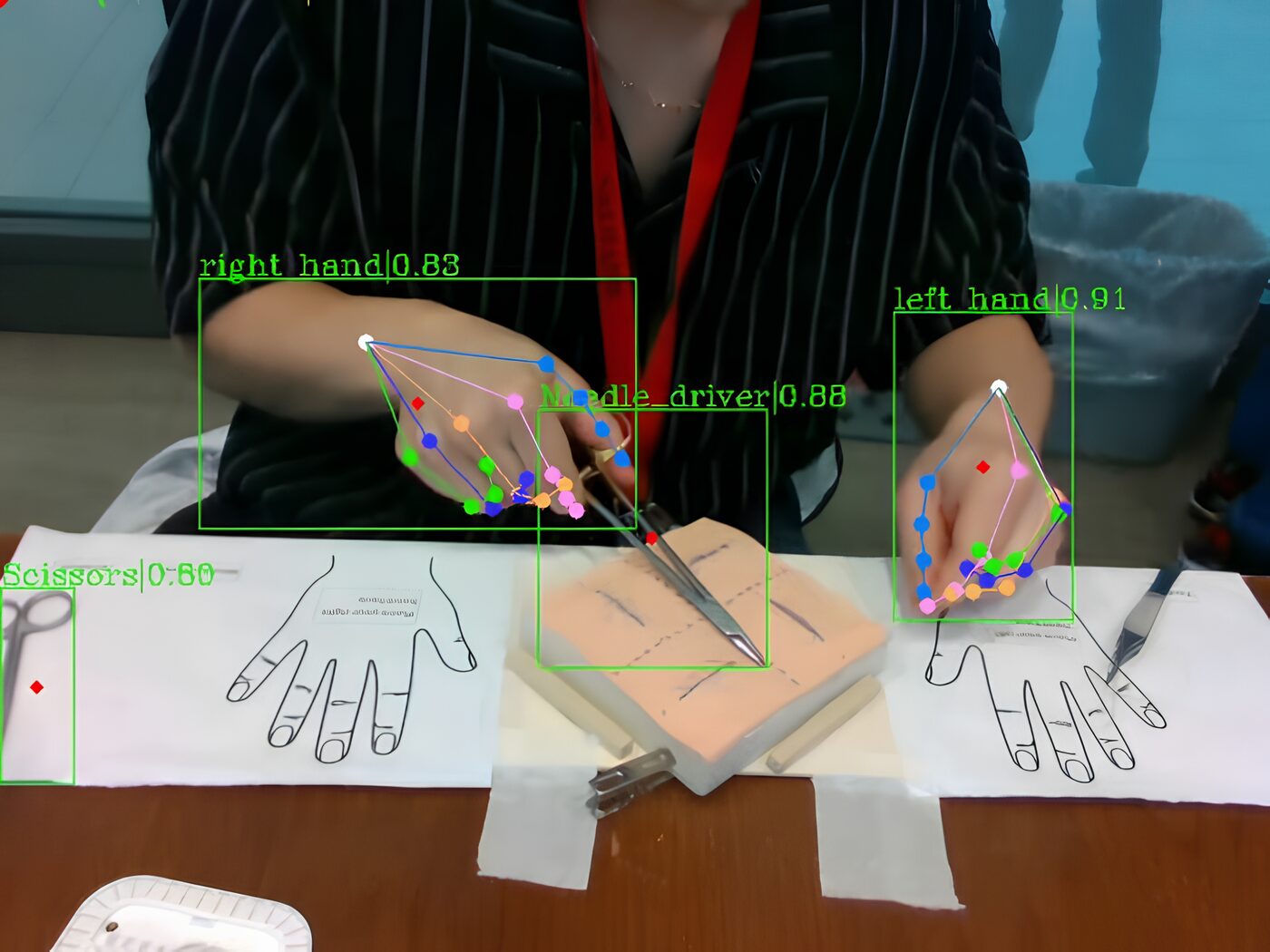
A new tool developed at Johns Hopkins University uses “explainable AI” to act as a substitute teacher, texting students immediate feedback on their suturing technique by comparing their hand movements against those of experts.
The system addresses a critical gap in medical education: attending surgeons do not have the time to personally supervise and grade every practice session.
“We’re at a pivotal time. The provider shortage is ever increasing and we need to find new ways to provide more and better opportunities for practice,” said senior author Mathias Unberath, an expert in AI-assisted medicine.
“Right now, an attending surgeon who already is short on time needs to come in and watch students practice, and rate them, and give them detailed feedback — that just doesn’t scale.”
Beyond skill scores
The technology, showcased at the International Conference on Medical Image Computing and Computer Assisted Intervention, goes beyond existing AI models that merely assign a skill score.
“These models can tell you if you have high or low skill, but they struggle with telling you why,” said Unberath. “If we want to enable meaningful self-training, we need to help learners understand what they need to focus on and why.”
In a first-of-its-kind study involving 12 medical students, researchers found that those with some prior experience learned “much faster” when coached by the AI than those who simply watched videos. However, complete beginners still struggled with the task.
The team aims to refine the technology into a smartphone app that allows students to practice complex techniques at home with just a suturing kit and their phone camera.



