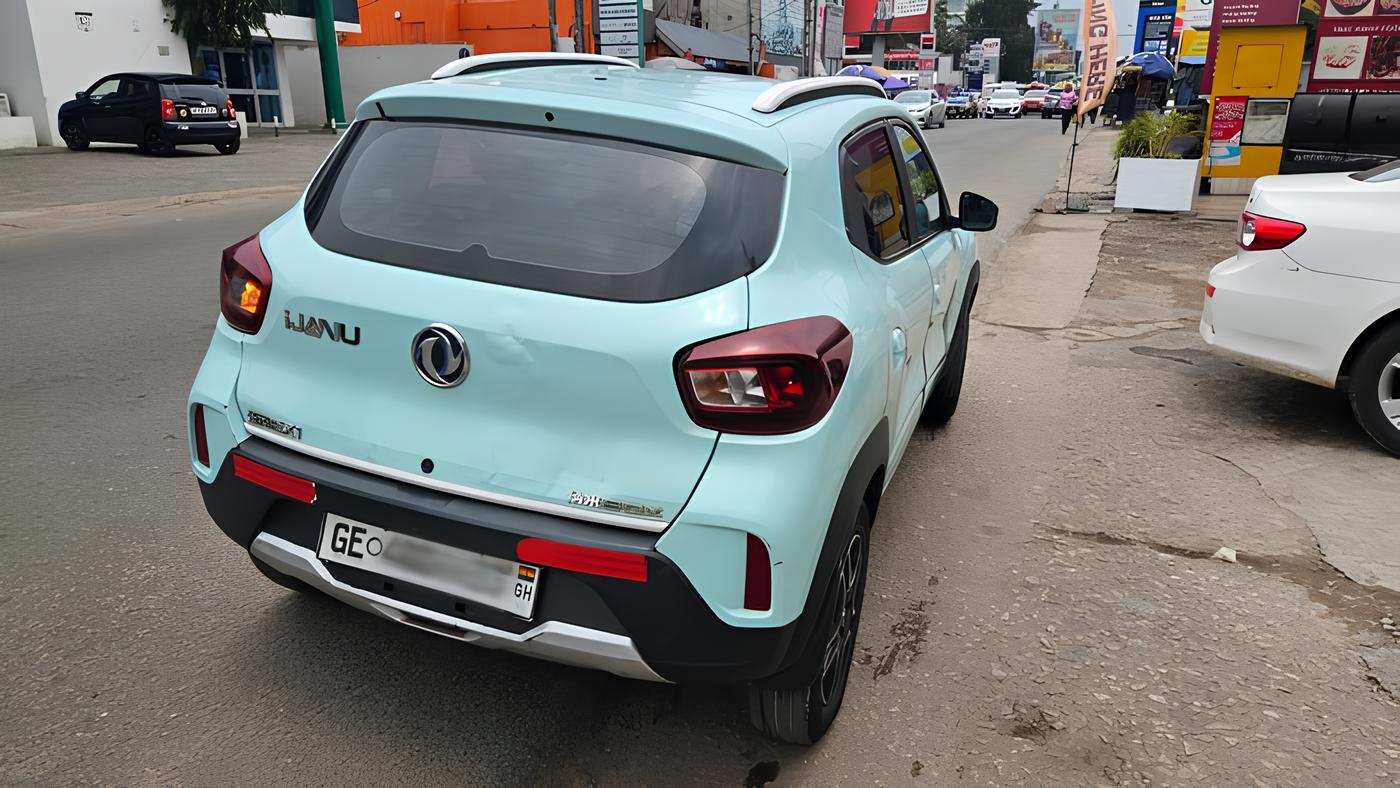
Electric vehicles (EVs) could overtake petrol and diesel cars in Africa far sooner than experts predicted, thanks to a combination of cheap Chinese imports and off-grid solar charging.
A new study led by ETH Zurich and the Paul Scherrer Institute (PSI), published in Nature Energy, challenges the long-held assumption that combustion engines will dominate the continent until at least the mid-century.
Instead, researchers found that in many African nations, switching to battery power could be economically competitive well before 2040.
The off-grid revolution
With the number of vehicles in Africa set to double by 2050, the environmental stakes are high. However, widespread EV adoption has historically been viewed as impossible due to unreliable or nonexistent national power grids.
The study proposes a workaround: ignoring the grid entirely. By analysing 52 African countries and more than 2,000 potential locations, the team modelled a scenario in which vehicles are charged using dedicated solar panels and stationary batteries.
“We wanted to know what would happen if the charging system were designed specifically for daily demand,” said co-author Christian Moretti from PSI. “Even we were surprised by the results: these systems are significantly cheaper than is often assumed, and in many contexts they are even more reliable than the existing electrical grid.”
The plummeting cost of solar technology, paired with an influx of affordable EVs from China, has changed the equation. The study found that a compact solar system is sufficient to power a small car for around 50km (30 miles) a day.
For smaller vehicles, the future is already here. “In many places, switching to electric scooters and motorbikes already makes good financial sense,” the report notes.
The financing trap
While the technology is ready, the economics of buying it remain difficult. The researchers identified financing, rather than engineering, as the single greatest hurdle to adoption.
Because investments in many African nations are considered high-risk, interest rates are steep. This disproportionately harms EVs, which have higher upfront costs than petrol cars, even if they are cheaper to operate.
“Africa is not a single, uniform market,” stressed lead author Bessie Noll. “In countries like Botswana or South Africa, where financing conditions are more stable, electric vehicles could become competitive sooner. In countries like Guinea, where financing costs are high, the transition will likely be slower.”
A warning on taxes
However, a rapid shift to electric transport comes with a sting in the tail for governments.
A parallel study by Noll, published in Nature Sustainability, warns that low-income countries risk a fiscal crisis as fuel pumps run dry. Taxes on petrol and diesel currently generate approximately $900 billion in global revenue annually, often funding vital road infrastructure.
In developing nations, these taxes can account for more than 9 per cent of total government revenue. Without rapid tax reform to capture revenue from EV use, these countries could face significant budget shortfalls.