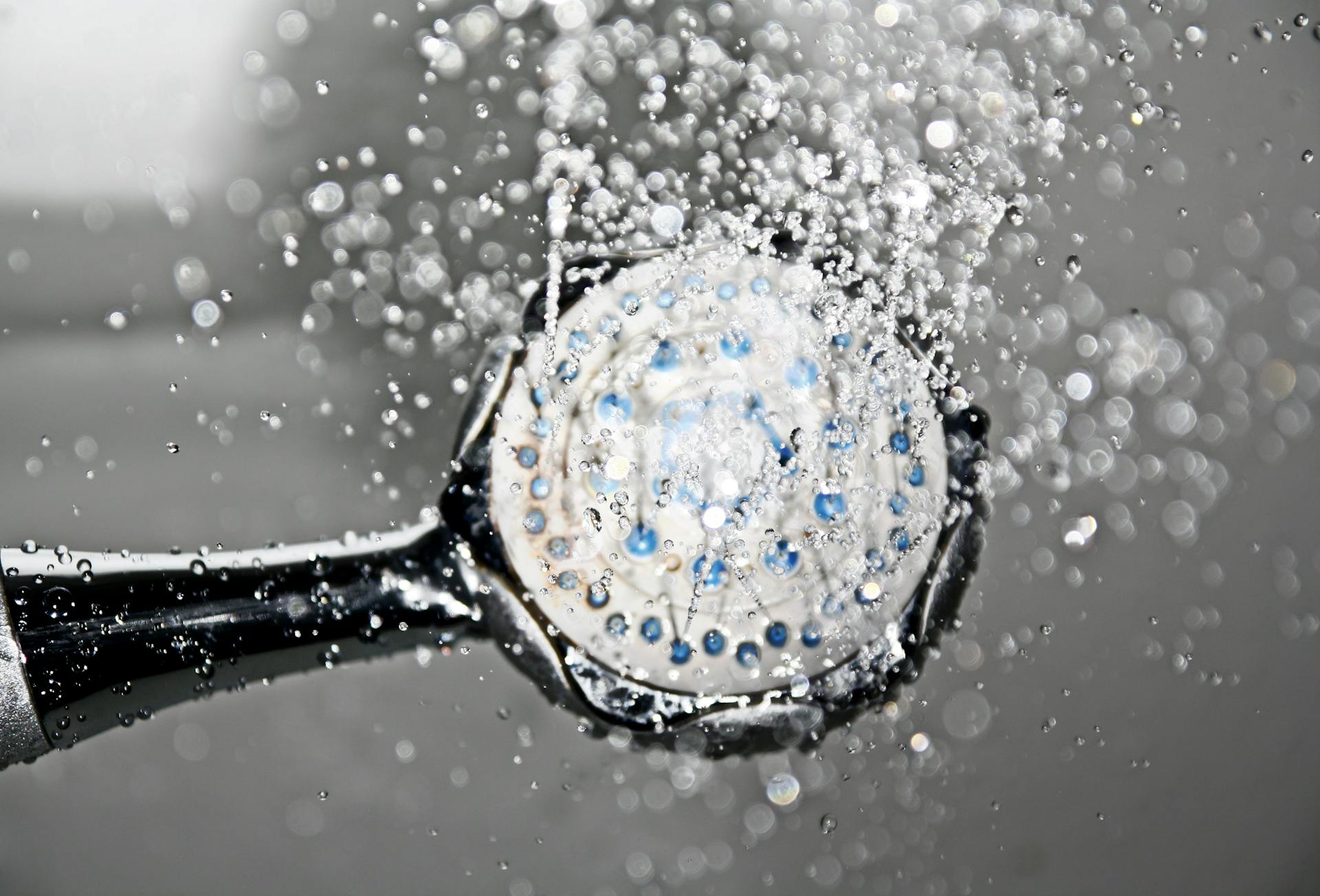

England is facing a projected water shortfall of five billion litres every single day, but a new report suggests the solution might lie in hacking our most deeply ingrained bathroom habits.
Published ahead of World Water Day, the University of Surrey-led research reveals that changing how we shower, flush toilets, and report leaks is critical to closing the gap.
Currently, people in England use an estimated 135 to 150 litres of water per person each day. According to the Environment Agency, 60 per cent of the projected national deficit must be recovered through “demand management”, which essentially means changing domestic behaviour at home.
While the government’s smart metering strategy is projected to save around 450 million litres by 2050, researchers warn this is not nearly enough to fix the five-billion-litre problem.
The bathroom battlefield
Drawing on input from over 100 professionals across 60 organisations in the UK water sector, the report found that four of the six highest-priority behaviours for water conservation are based in the bathroom. Sector professionals rated fixing in-home leaks, altering showering habits, and reducing toilet flushing as the three most important targets.
To illustrate the scale of the issue, showering typically consumes between six and 15 litres per minute, while a staggering 25 per cent of all drinking water used in UK homes is literally flushed down the toilet.
Despite these clear targets, the report identified a major disconnect in how water companies approach the problem. While the industry wants people to use less water, it places a relatively low value on understanding why people behave the way they do in the first place.
Professor Benjamin Gardner, director of the Habit Application and Theory group at the University of Surrey, explained that simply educating the public is a flawed strategy.
“The water sector knows that behaviour change matters, but it needs to do more to connect with what we know around how people use water. Most initiatives so far have focused on increasing motivation to save water. That approach has its limits – particularly when the behaviours in question are habitual. People do not consciously decide how long to shower, for example. They simply do it, the same way, every day. Telling people how many litres of water they are using is unlikely to change that.”
In-the-moment interventions
Because routines, distractions, and fatigue often prevent conscious adjustments, researchers argue that interventions must disrupt these automatic habits in real-time.
Dr Pablo Pereira-Doel, director of the Human Insights Lab at the University of Surrey, said: “We know from our own research that real-time feedback during a shower, delivered at the moment the behaviour is happening, can meaningfully reduce how long people spend under the water. That kind of intervention works precisely because it does not rely on people remembering to act differently. It meets them in the moment. What this report shows is that the sector needs to invest in understanding those moments far more systematically, across all the behaviours that matter, before it can design solutions that will actually stick.”
The report also highlighted a structural hurdle: many water companies have already conducted relevant behavioural research but refuse to share their findings with the wider sector due to commercial secrecy. The authors suggest that implementing standardised behavioural science tools could allow companies to pool their insights without giving away commercially sensitive details.
To close the water gap, the researchers issued five key recommendations:
- Water sector organisations must work directly with behavioural scientists.
- The sector should invest heavily in understanding exactly how people use water.
- Initiatives must focus on actively disrupting habits rather than just educating consumers.
- Knowledge on water-saving tactics must be shared actively across different organisations.
- Behaviour change must be treated as just one piece of the puzzle, running alongside structural and technological upgrades.