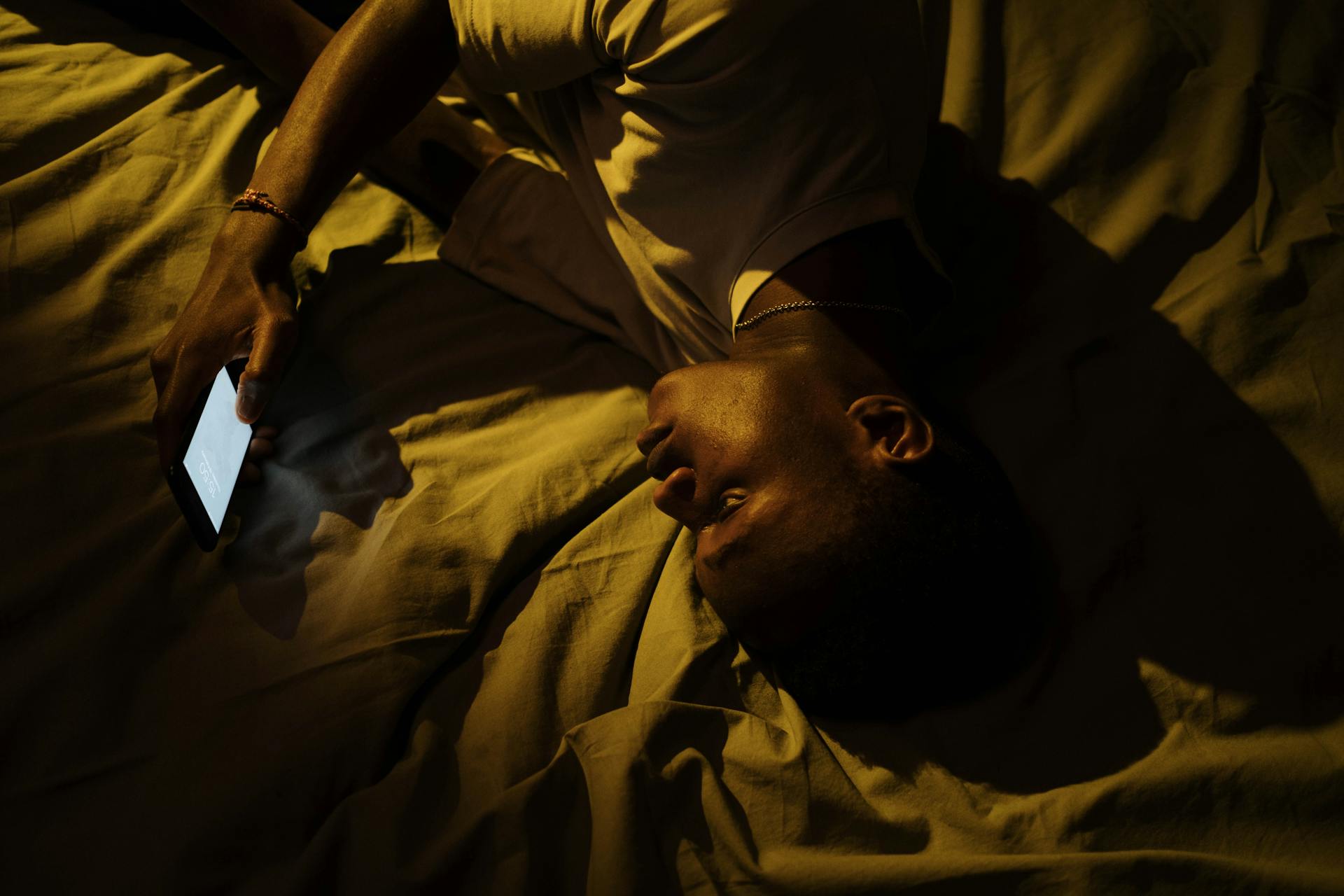

We are constantly told to monitor our health metrics, leading to a massive surge in people using apps to track their nightly rest. However, a new study from Norway reveals that while these tools help some users, they are actively increasing stress and anxiety for people who already struggle with insomnia.
Published in the journal Frontiers in Psychology, the study surveyed 1,002 adults to examine how different demographic groups respond to feedback from sleep-tracking technology.
“The rapid development of sleep app technology requires the scientific community to keep up with technological advances,” said Håkon Lundekvam Berge, first author of the study from the University of Bergen. “We found that younger adults were more affected by the feedback from the sleep apps. They reported more perceived benefits, but also more worries and stress.”
Who is tracking their sleep?
The scientists found that 46 per cent of survey respondents currently use or have used sleep apps. Usage was particularly high among women and participants under the age of 50.
Overall, users reported positive effects more frequently than negative ones:
- Educational benefits: 48 per cent of participants said the primary benefit was learning more about their own sleep patterns.
- Improved rest: 15 per cent of respondents felt the apps actively improved their sleep.
While the apps generally claim to measure sleep latency, duration, and restorative quality, the researchers warned that the feedback can backfire horribly for specific groups.
Second author Karl Erik Lundekvam noted: “We also found that people with insomnia symptoms were more susceptible to negative effects. Feedback from the sleep apps was more likely to cause stress and worry in this group.”
According to the data, 17 per cent of participants reported worrying more about their sleep because of the app, and 2.3 per cent reported that their sleep actually worsened. Scientists warn that this excessive monitoring can lead to a condition called “orthosomnia,” where obsessing over sleep data actively degrades a person’s ability to rest.
Lundekvam Berge cautioned: “Persons displaying insomnia symptoms may be more vulnerable to negative feedback, which can potentially worsen sleep-related anxiety or stress. Awareness of these tendencies is essential before using such apps.”
How to sleep smarter
If you are using a sleep tracker and finding yourself stressed by the results, the researchers offer a few straightforward strategies to reclaim your rest:
- Question the data: Learn more about the specific metrics your app uses and how scientifically accurate they actually are.
- Disconnect at night: If the data continues to cause anxiety, take the device off at night or disable its notifications.
- Build better habits: Use the data purely as motivation to improve baseline habits, such as minimising screen time right before bed.
- Listen to your body: Only go to bed when you are genuinely tired, as lying awake while waiting for sleep will only exacerbate existing problems.



