
Korean researchers have developed an artificial intelligence system that can detect Parkinson’s disease just two weeks after disease induction in animal models, demonstrating greater sensitivity than traditional motor function tests.
The KAIST collaborative research team created an AI-predicted Parkinson’s disease score by analysing over 340 behavioural features, including gait, limb movements and tremors from Parkinson’s disease mice, condensing them into a single diagnostic metric.
The system showed significant differences from control groups as early as two weeks after the disease was induced, addressing challenges where traditional diagnostic methods have struggled to detect changes in early stages.
To verify specificity, researchers tested the system on mice with Amyotrophic Lateral Sclerosis. Despite motor function decline in ALS mice, they did not exhibit the high scores seen in Parkinson’s models, demonstrating the system targets Parkinson’s-specific changes rather than general motor decline.
The team also developed treatment using optoRET, an optogenetics technology that precisely controls neurotrophic signals with light. The technique proved effective in animal models, leading to smoother gait and limb movements whilst reducing tremors.
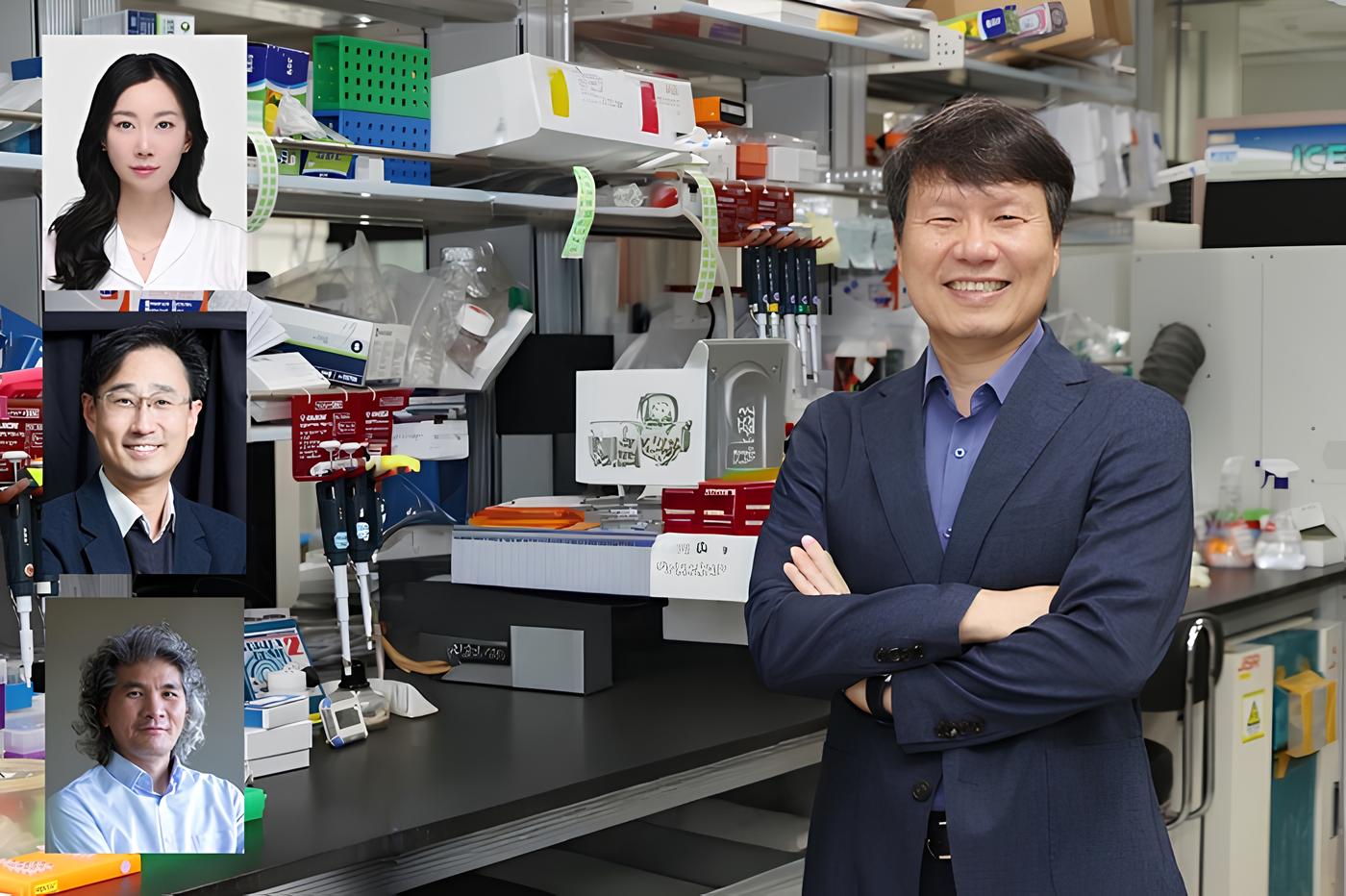
“This is the first time in the world that a preclinical framework has been implemented that connects early diagnosis, treatment evaluation, and mechanism verification of Parkinson’s disease by combining AI-based behavioural analysis with optogenetics,” said Professor Won Do Heo of KAIST. “This lays a crucial foundation for future personalised medicine and customised treatments for patients.”
Key diagnostic features identified included changes in stride, asymmetrical limb movements and chest tremors, with top behavioural indicators encompassing hand and foot asymmetry, posture changes and increased high-frequency chest movement.
The study, with Dr Bobae Hyeon as first author, was published online in Nature Communications on August 21st. The research involved teams from KAIST’s Department of Biological Sciences, Department of Brain and Cognitive Sciences, and the Institute for Basic Science Center for Cognition and Sociality.