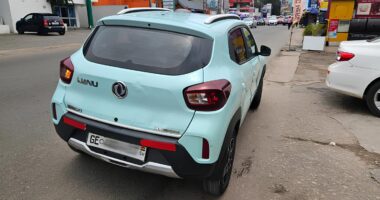

Electric vehicles may be too quiet for safety, prompting researchers to develop a low-frequency alert system that cuts through the urban din to warn pedestrians of approaching cars.
While automakers are required to make EVs emit sound at low speeds to prevent accidents, regulations regarding the specific type of noise are loose, leaving researchers free to experiment with custom designs to maximise effectiveness.
Graduate student Mei Suzuki presented findings at the Sixth Joint Meeting of the Acoustical Society of America and Acoustical Society of Japan in Honolulu, revealing that “pink noise” — sound dominated by lower-frequency notes — is the most effective warning signal.
The team aimed to design sounds based on onomatopoeia evoked by the image of a “quiet vehicle”, creating a library of stimuli that included both onomatopoeic sounds and pink noise.
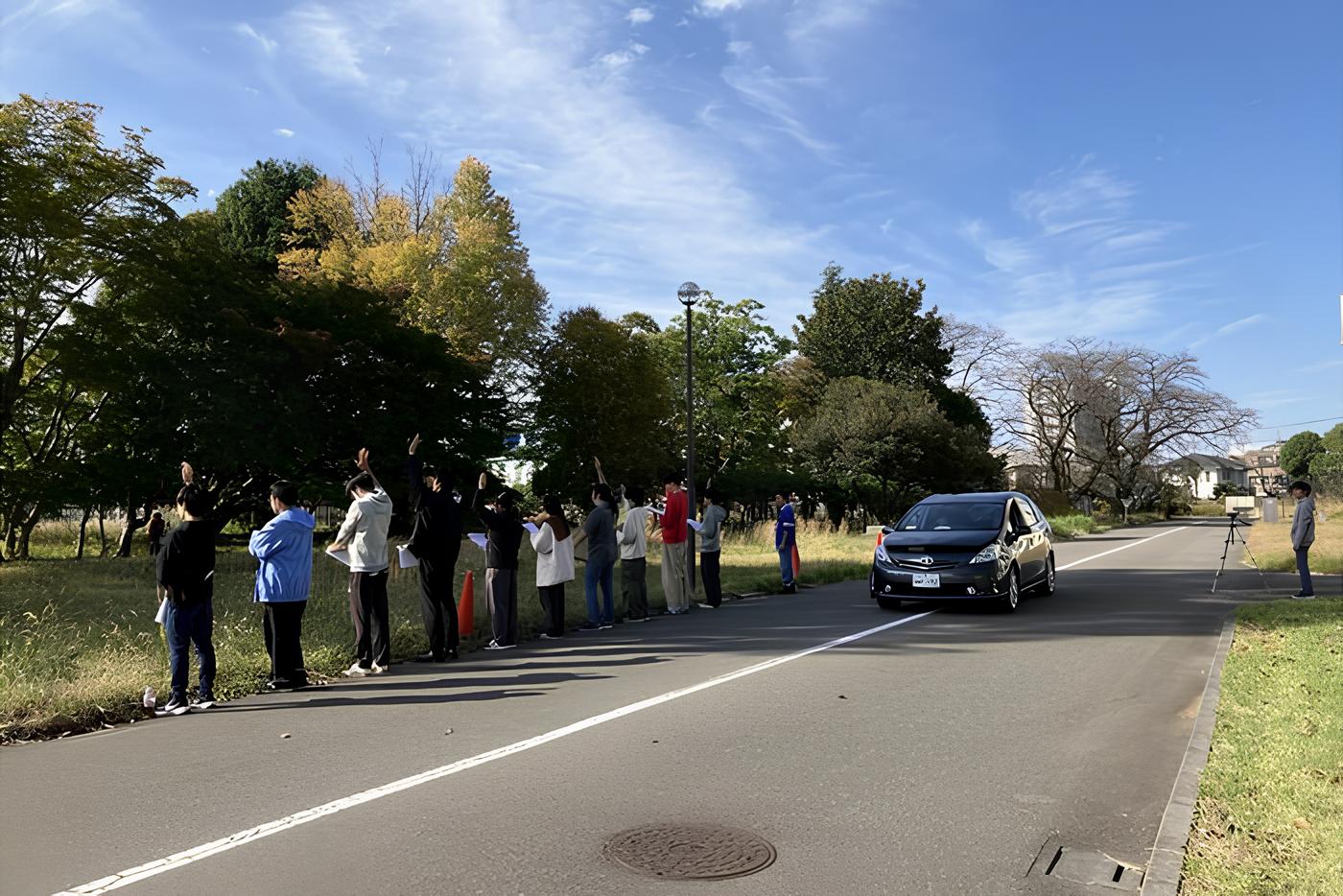
To test efficacy, researchers played these sounds to volunteers in both controlled studio settings and on real roads. Participants rated each noise based on criteria such as whether it conveyed a “sense of urgency” and how easy it was to notice.
Drowned out
The study found that a version of pink noise performed best because its low-frequency distribution is less susceptible to being drowned out by other ambient noise sources.
“The reason this sound stimulus was rated highest was its strong low-frequency components and its similarity to automotive running noise,” said Suzuki.
This meant that approaching vehicles utilising the pink noise signal could be heard clearly by volunteers in all conditions, potentially reducing the risk of accidents.
The researchers are now expanding their work to design similar warning sounds for micromobility devices such as e-scooters and electric bicycles.
“Starting this year, we are conducting research on the sound design of approach warning sounds specifically for micromobility devices,” said Suzuki. “Since research on approach warning sounds for micromobility devices is largely unexplored, we believe this could contribute to reducing collisions involving pedestrians and visually impaired individuals.”