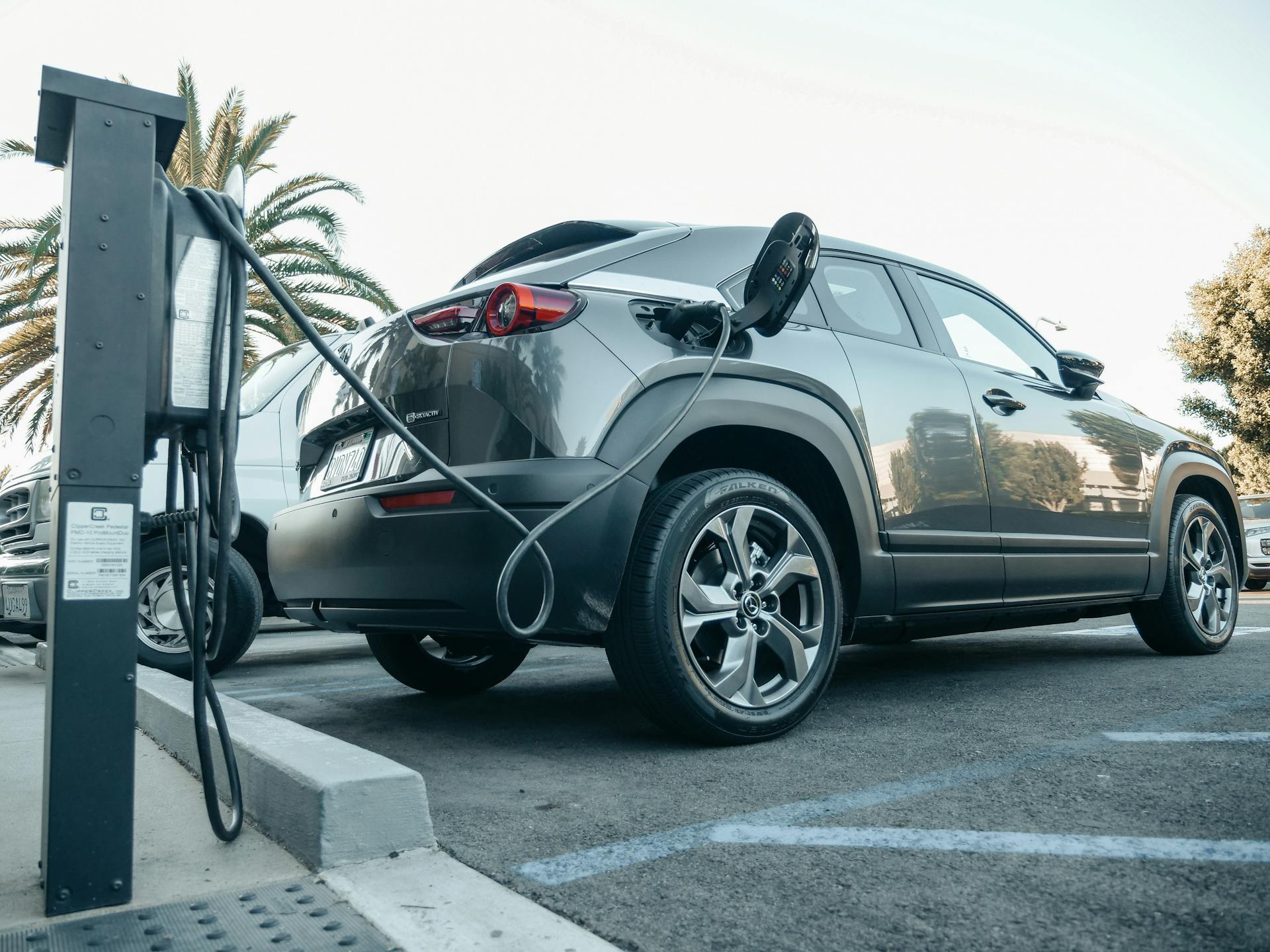

Electric vehicles are no more dangerous to pedestrians than traditional petrol or diesel cars, dispelling long-held fears that their silent engines and massive battery packs would lead to a surge in accidents and severe injuries.
A major study by the University of Leeds analysed UK collision data from 2019 to 2023 and found no significant difference in pedestrian casualty rates between EVs and conventional vehicles, effectively debunking the myth of the “silent killer” EV.
The research, published in Nature Communications, revealed that, with approximately 250 billion miles driven annually, the average pedestrian casualty rate was 57.8 per billion miles for EVs, compared with 58.9 for non-electric vehicles.
“There were two worries about EVs and road safety,” said Zia Wadud, Professor of Mobility and Energy Futures at Leeds. “First, whether EVs would increase the number of collisions with pedestrians because they were quieter than traditional vehicles. Second, where there is a collision, whether the injuries to the pedestrians would be more severe when involving an EV because the vehicles are heavier. Our results show that this is not the case.”
EVs typically weigh about 0.3 metric tonnes more than conventional cars due to heavy battery packs, roughly the equivalent of five washing machines. Despite this added mass, the study found no statistical evidence that EV-related injuries were more severe than those involving lighter combustion vehicles.
Limited impact
Professor Wadud suggests this may be because the current EV fleet is generally newer and more expensive, and is equipped with advanced safety technologies that help prevent crashes or limit impact. Additionally, regulations introduced in July 2019 requiring new electric vehicles to emit sound when moving slowly appear to mitigate the risk posed by their quiet engines.
However, the study uncovered a stark anomaly: hybrid vehicles showed a significantly higher casualty rate of 120.14 per billion miles—more than double that of pure EVs. Researchers attribute this not to the technology itself, but to the widespread use of hybrids as private hire vehicles, which accumulate high mileage in busy city centres where pedestrian interactions are frequent.
The research also highlighted that, although the study did not focus specifically on SUVs, larger vehicles generally increased the likelihood of severe injury, regardless of powertrain.
“We should worry less about the potential dangers of electrified vehicles and more about the growing prevalence of SUVs on the nation’s roads,” said Wadud. “Whether electric or conventionally powered, these larger, heavier vehicles not only pose greater safety risks, they also take up more road space and emit more carbon over their lifecycle.”