
The dream of an asteroid mining bonanza has been grounded by a new study finding that most space rocks lack the precious metals to make extraction profitable, though water-rich targets could still revolutionise space travel.
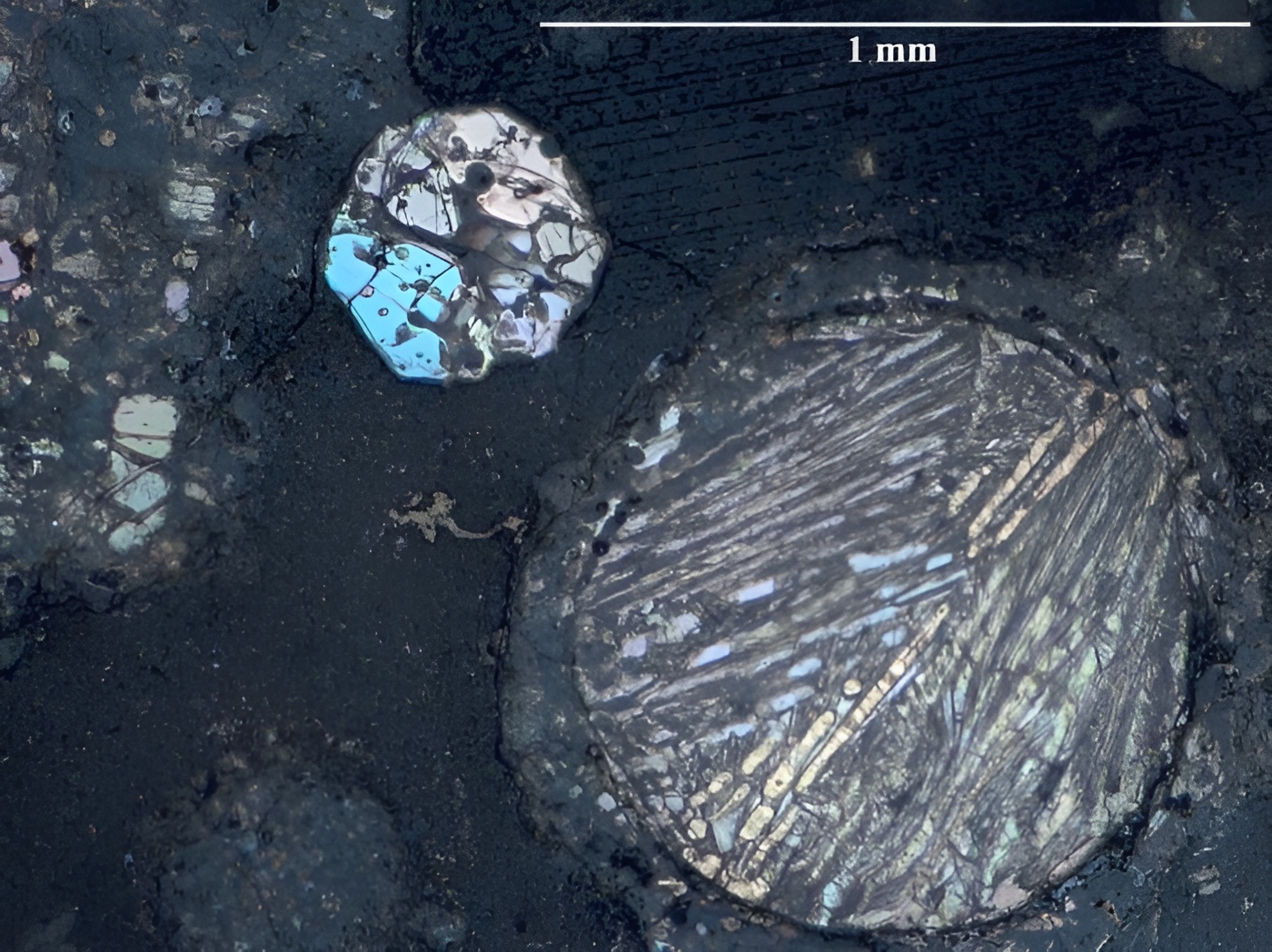
A team led by the Institute of Space Sciences analysed rare meteorites to evaluate the feasibility of the extraterrestrial economy, concluding that mining most “undifferentiated” asteroids is currently far from viable.
The findings, published in the Monthly Notices of the Royal Astronomical Society, suggest that although the overall abundance of precious elements is too low for commercial viability, specific pristine targets could support long-term missions to the Moon and Mars.
“The scientific interest in each of these meteorites is that they sample small, undifferentiated asteroids, and provide valuable information on the chemical composition and evolutionary history of the bodies from which they originate,” said Josep M. Trigo-Rodríguez, first author and astrophysicist at ICE-CSIC.
Chemical abundances
The team selected samples from NASA’s Antarctic meteorite collection, which were then analysed by Professor Jacinto Alonso-Azcárate at the University of Castilla-La Mancha using mass spectrometry. This precise analysis of chemical abundances prompted debate over whether future extraction is feasible.
“Studying and selecting these types of meteorites in our clean room using other analytical techniques is fascinating, particularly because of the diversity of minerals and chemical elements they contain,” said Pau Grèbol Tomás, ICE-CSIC predoctoral researcher. “However, most asteroids have relatively small abundances of precious elements, and therefore the objective of our study has been to understand to what extent their extraction would be viable.”
The study highlights a crucial trade-off: water-rich asteroids, which are vital for creating fuel in space (“in-situ resource utilisation”), generally contain fewer metals. Additionally, the physical act of mining in low-gravity conditions remains a significant technological challenge.
“Although most small asteroids have surfaces covered in fragmented material called regolith – and it would facilitate the return of small amounts of samples – developing large-scale collection systems to achieve clear benefits is a very different matter,” said Jordi Ibáñez-Insa, researcher at Geosciences Barcelona.
Despite the challenges, the researchers envision scenarios in which water is extracted for fuel or potentially hazardous asteroids are mined and neutralised to mitigate threats to Earth.
“It sounds like science fiction, but it also seemed like science fiction when the first sample return missions were being planned thirty years ago,” said Grèbol Tomàs.