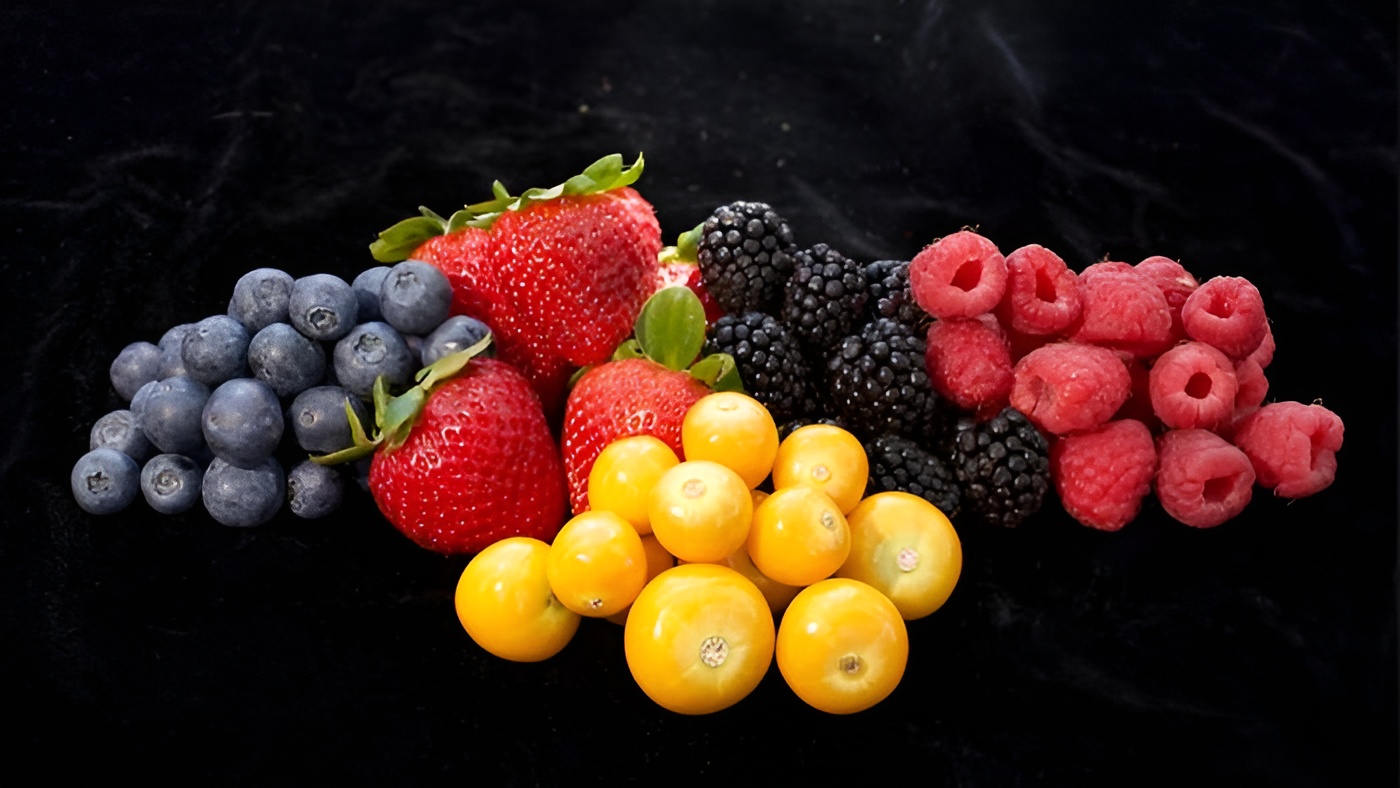

A tiny, sweet-and-tart relative of the tomato known as the goldenberry has been fast-tracked for large-scale agriculture through CRISPR gene editing, potentially offering a resilient new crop for farmers amid climate change.
Researchers at Cold Spring Harbor Laboratory (CSHL) have successfully used the gene-editing tool to domesticate the wild plant, bypassing the thousands of years of selective breeding typically required to make crops viable for farming.
The goldenberry (Physalis peruviana) is native to South America and has been consumed for centuries, dating back to the Incan Empire. While it has recently gained popularity in supermarkets for its unique flavour and nutritional value, its wild, sprawling growth habit has made it difficult to farm commercially.
“These massive, sprawling plants in an agricultural setting are cumbersome for harvest,” explained Blaine Fitzgerald, a greenhouse technician in the Lippman lab at CSHL.
Targeting specific genes
To solve this, the research team, led by postdoc Miguel Santo Domingo Martinez, targeted specific genes in the goldenberry plant using CRISPR. Building on previous work with tomatoes and groundcherries, they edited genes to control the plant’s architecture.
The result was a crop that was 35% shorter than its wild counterpart, making it significantly more compact and easier for farmers to manage. This compact size enables higher-density planting and easier maintenance, both crucial for large-scale agricultural production.
In addition to structural changes, the team focused on flavour. Fitzgerald described the process of walking through fields and tasting “hundreds” of berries to identify the most delicious fruits for breeding.
The team has now developed two distinct lines of compact, flavorful goldenberries ready for production. Although the CRISPR-edited plants currently produce slightly smaller fruits, the researchers plan to target fruit size and disease resistance in future edits.
A global “shortcut”
The success with goldenberries serves as a proof of concept for using CRISPR to rapidly domesticate other wild plants. This “shortcut” could be vital to global food security, as climate change and population growth strain traditional agriculture.
“By using CRISPR, you open up paths to new and more resilient food options,” said Fitzgerald. “In an era of climate change and increasing population size, bringing innovation to agricultural production is going to be a huge path forward.”
The team is now seeking regulatory approval to distribute the seeds to growers, paving the way for the newly domesticated goldenberry to become a common sight in fruit bowls worldwide.