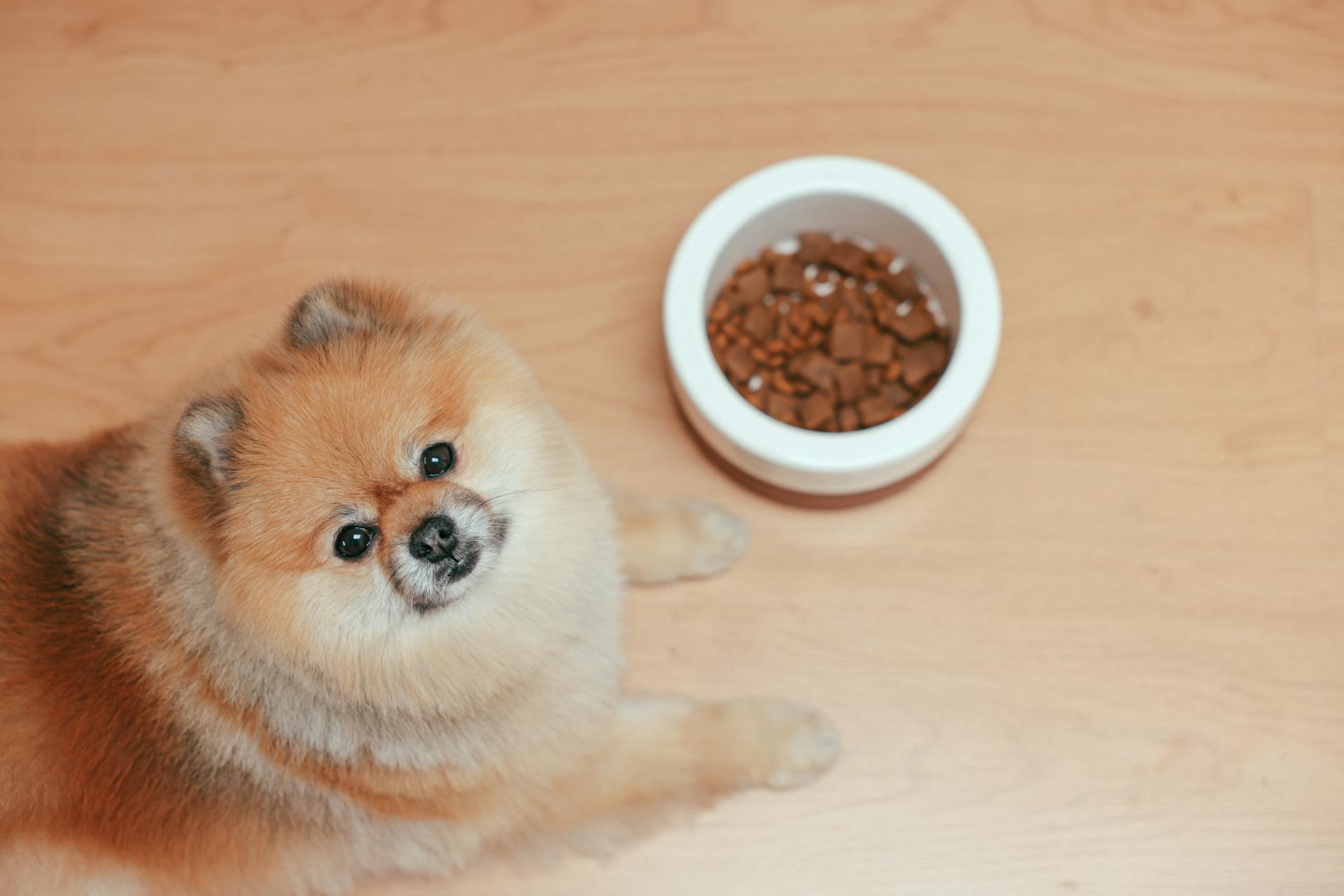

Feeding the family dog premium, meat-rich steaks and wet food may cause more environmental damage than the owner’s diet, according to the largest study of its kind.
Researchers from the University of Edinburgh and University of Exeter found that the trend for feeding pets human-grade meat is driving a massive spike in greenhouse gas emissions. In particular, wet, raw and “grain-free” products were found to have a substantially higher carbon footprint than standard dry kibble.
The analysis, published in the Journal of Cleaner Production, examined the ingredients of nearly 1,000 commercially available dog foods. It revealed a staggering gap in sustainability: the highest-impact foods were responsible for up to 65 times more emissions than the lowest-impact options.
“As a veterinary surgeon working on environmental sustainability, I regularly see owners torn between ideals of dogs as meat‑eating ‘wolves’ and their wish to reduce environmental harm,” said John Harvey, the study’s principal investigator from the University of Edinburgh.
“Our research shows just how large and variable the climate impact of dog food really is. It’s important for owners to know that choosing grain-free, wet or raw foods can result in higher impacts compared to standard dry kibble foods.”
‘Human-grade’ meat
The study highlights that using large amounts of prime meat — cuts that could otherwise be eaten by humans — drastically pushes up emissions. In contrast, using nutritious carcass parts and organs that are in low demand for human consumption helps limit the environmental toll.
The scale of the issue is significant. The production of ingredients for UK dog food is estimated to contribute around one per cent of the country’s total greenhouse gas emissions.
Experts estimate that if all the dogs in the world were fed the same diet as the average UK pet, the resulting emissions would be equivalent to more than half of those generated by all commercial aviation globally.
Checking the label
For owners looking to reduce their “carbon pawprint”, the researchers suggest opting for dry food that is not marketed as grain-free. They also advise checking labels for descriptions of meat cuts, aiming for products that use fewer prime cuts.
“The pet food industry should make sure meat cuts used are of the types not typically eaten by humans, and that labelling is clear,” Harvey added. “These steps can help us have healthy, well-fed dogs with a smaller pawprint on the planet.”