
Online gaming communities are often stereotyped as isolating and overly competitive, but new research reveals they can function as vital social sanctuaries—especially in high-pressure cultures like Japan.
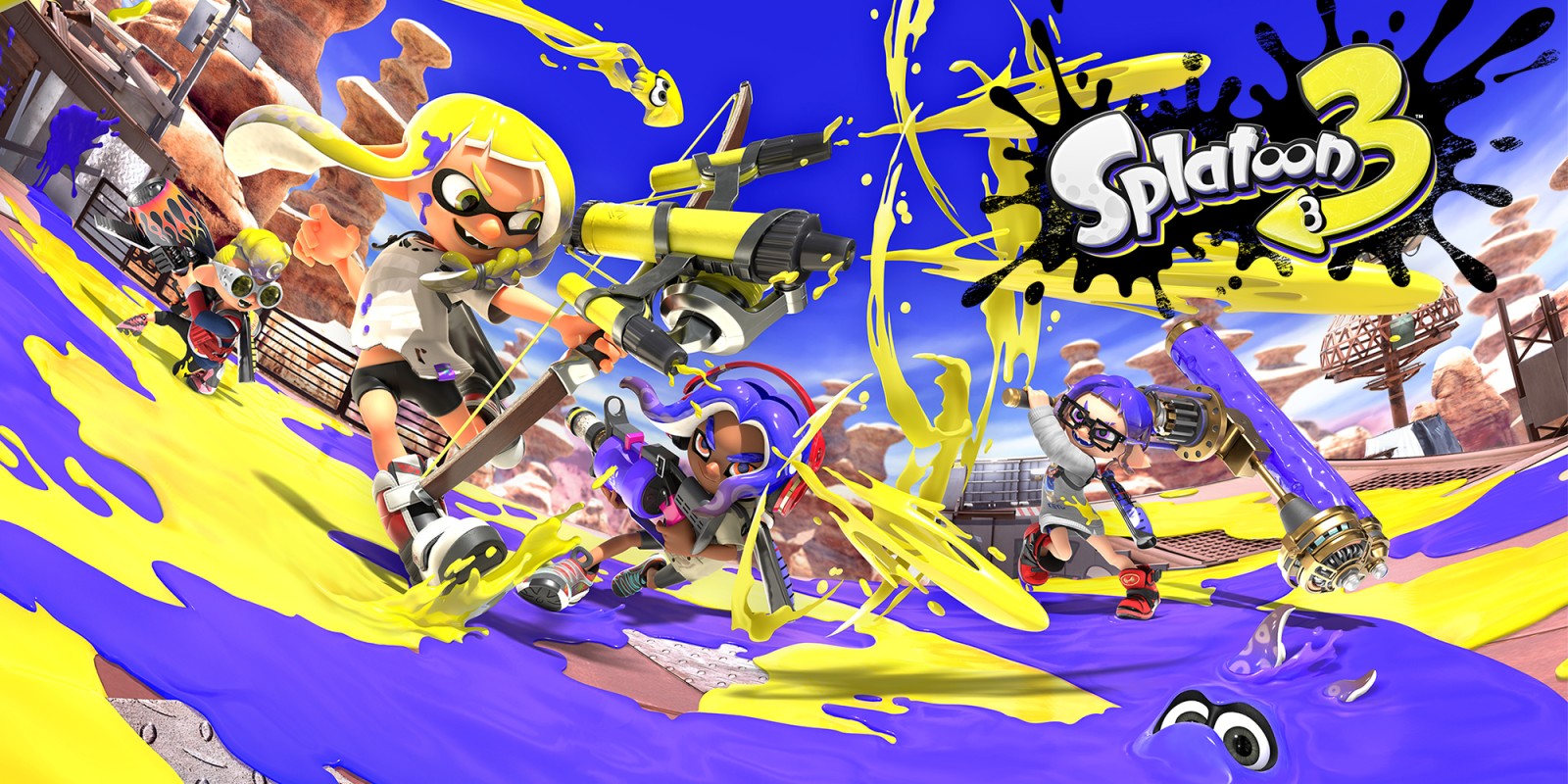
A study by Doshisha University, published in Social Media + Society, explored how competitive players of the video game Splatoon 3 use Discord servers as a “third place” — a relaxing social environment entirely separate from the demands of home and work.
Traditionally, third places have been physical locations such as cafes, clubs, or parks. However, researchers found that digital spaces can offer the exact same social value and emotional safety.
Staying for the conversation
The researchers conducted a long-term qualitative analysis of a highly skilled Discord community, given the pseudonym “Medimura”. They found that while members initially joined purely to improve their Splatoon 3 gameplay, their motivations eventually shifted.
“Participants who initially joined as competitive members eventually stayed back for social reasons, as they started feeling a sense of comfort in their everyday social engagements on Discord,” said Assistant Professor Mattias van Ommen, who co-authored the study with former student Ginga Yahanashi.
The study noted that players carefully balanced intense matches with casual conversations about their daily lives, joking and providing emotional support to one another during stressful moments.
An escape from social pressure
For many users, the Medimura server offered a space they struggled to find in the physical world, free from the strict rules and social pressures typically experienced in Japanese workplaces and schools.
“For some players, the community provided a rare experience where they felt accepted as who they were,” noted Yahanashi. “For them, this sense of ease and emotional safety was just as important as the game itself.”
The authors suggest that in an increasingly digital age, these platforms can play a crucial role in promoting social wellbeing, challenging the persistent stereotype of the socially awkward and isolated gamer.