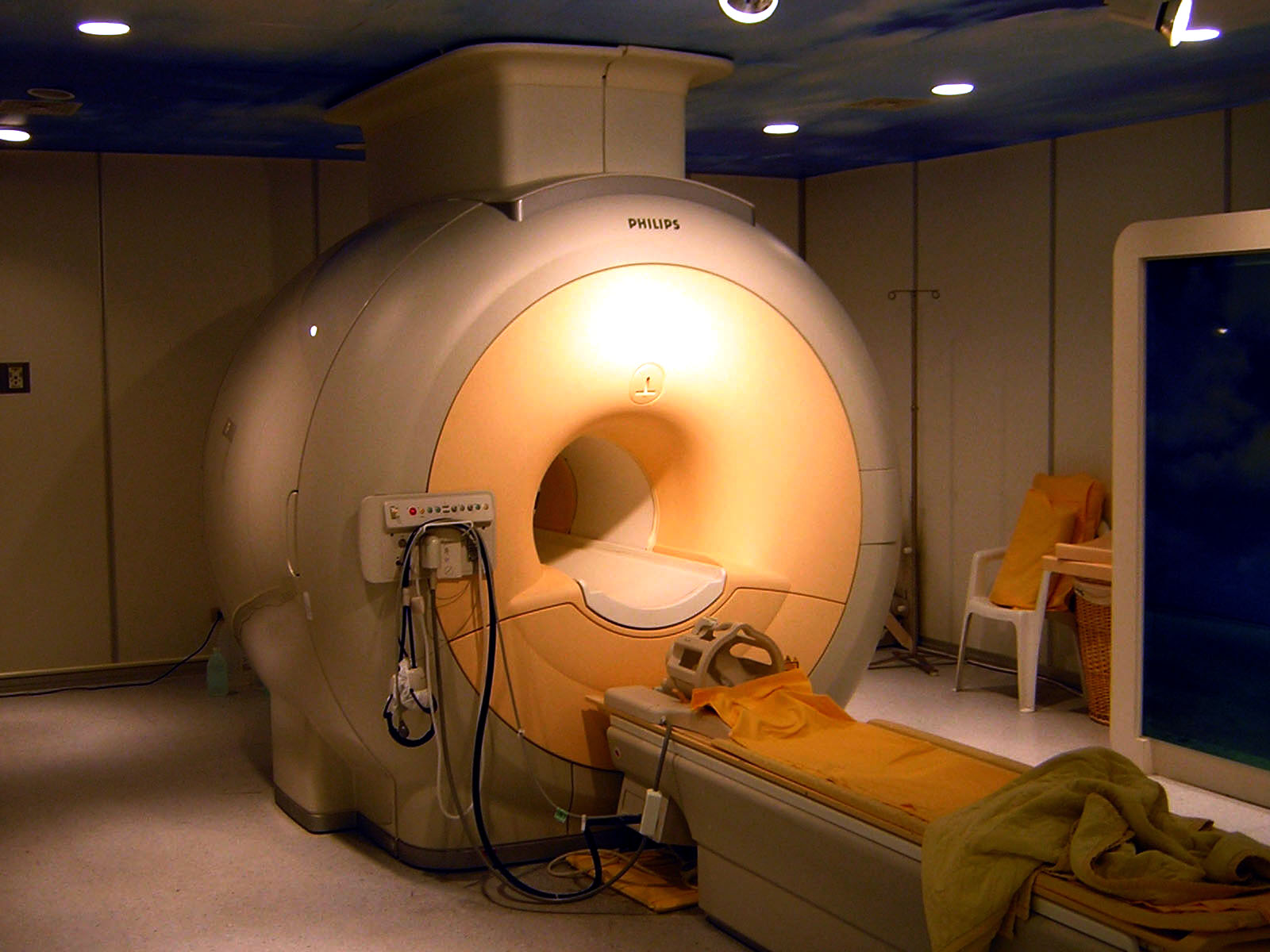
A new artificial intelligence model developed at the University of Michigan can read a brain MRI and diagnose a patient in seconds, potentially solving critical delays in emergency care caused by a global shortage of radiologists.
In a study published in Nature Biomedical Engineering, researchers report that the AI — named “Prima” — detected neurological conditions with up to 97.5 per cent accuracy and successfully predicted how urgently a patient required treatment.
“As the global demand for MRI rises and places significant strain on our physicians and health systems, our AI model has potential to reduce burden by improving diagnosis and treatment with fast, accurate information,” says senior author Dr Todd Hollon, a neurosurgeon at University of Michigan Health.
ChatGPT for medical imaging
Unlike previous AI models trained on small, manually curated datasets to detect specific issues such as lesions or dementia, Prima was trained at scale. The team fed the system every MRI taken at the University of Michigan Health since radiology digitisation began decades ago, amounting to over 200,000 studies and 5.6 million sequences.
Prima is a “vision language model” (VLM), meaning it can process images and text simultaneously. By inputting patients’ clinical histories and physicians’ notes alongside the scans, the AI functions much like a human doctor.
“Prima works like a radiologist by integrating information regarding the patient’s medical history and imaging data to produce a comprehensive understanding of their health,” explains co-first author Samir Harake.
Triage in seconds
The model was tested on more than 30,000 MRI studies over a year, outperforming state-of-the-art competitors across more than 50 neurological diagnoses.
Crucially, Prima can identify life-threatening conditions such as strokes or brain haemorrhages and automatically alert the correct specialist — such as a stroke neurologist or neurosurgeon — allowing for rapid intervention.
“Accuracy is paramount when reading a brain MRI, but quick turnaround times are critical for timely diagnosis and improved outcomes,” says Yiwei Lyu, co-first author and postdoctoral fellow.
Addressing the shortage
The researchers describe the tool as a potential “co-pilot” for doctors, aimed at addressing workforce shortages that currently mean patients in some areas wait days for scan results.
“Whether you are receiving a scan at a larger health system that is facing increasing volume or a rural hospital with limited resources, innovative technologies are needed to improve access to radiology services,” says Dr Vikas Gulani, chair of the Department of Radiology at U-M Health.
The team believes the technology could eventually be adapted for other medical imaging, such as mammograms, chest X-rays, and ultrasounds.