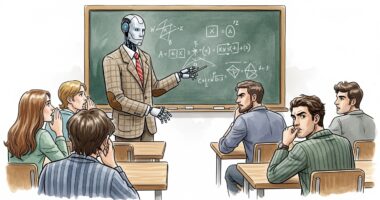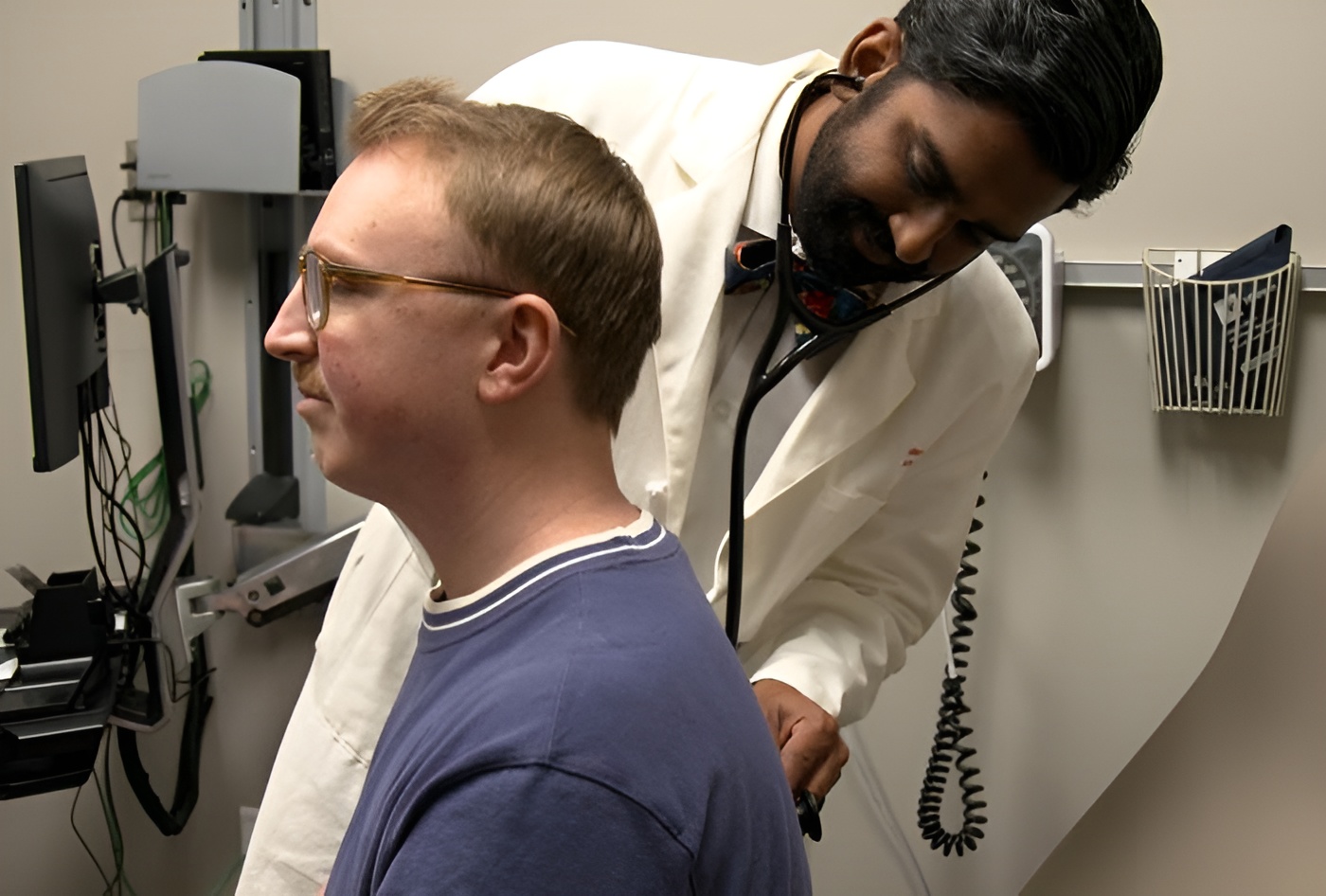

Across the United States, a dangerous new trend is emerging. Millions of Americans are actively bypassing their doctors and relying entirely on artificial intelligence to make critical health decisions — even as the nation’s overall confidence in the technology sharply declines.
According to a sweeping national survey commissioned by The Ohio State University Wexner Medical Center, 51 per cent of US adults have used AI to make an important medical decision without ever consulting a trained healthcare professional.
This surge in digital self-diagnosis comes despite a broader American backlash against the technology’s integration into medicine. The nationwide poll of 1,007 adults found that only 42 per cent of Americans are currently open to AI being used as part of their care, marking a significant drop from 52 per cent in 2024.
Furthermore, the belief that artificial intelligence can make healthcare processes more efficient has fallen from 64 per cent to 55 per cent nationwide.
AI hype cycle
Dr Ravi Tripathi, chief health informatics officer at the Ohio State Wexner Medical Center, attributed the drop in overall comfort to the natural “hype cycle” of new technology, but warned that blindly trusting chatbots with your health remains a severe risk.
“When we first see something new and shiny, we think it’s going to fix the world and replace health care and solve all of our medical problems. People are learning that there are pros and cons of artificial intelligence, where it has actual use and where it really doesn’t have a place.” Dr Tripathi said.
While US patients are finding the technology useful for basic research, the medical community is raising the alarm over its use as a decisive diagnostic tool.
According to the national survey data, American respondents are currently using AI for the following tasks:
- 62 per cent use it to help understand their symptoms before deciding whether to seek medical care.
- 44 per cent use it to help explain complex test results or medical diagnoses.
- 25 per cent use it to compare treatment options and make a final treatment decision.
- 20 per cent use it to prepare questions for an upcoming medical appointment.
Even the most advanced AI models are prone to generating false information, making them highly dangerous replacements for human expertise.
“We know that two per cent of the time AI is going to be inaccurate or it will potentially hallucinate. Physicians are not using AI 100 per cent. We’re not trusting it 100 per cent. I would be really concerned about a patient who is following AI. The artificial intelligence doesn’t understand your story.” Dr Tripathi warned.
Instead of using the technology to make final decisions, experts urge patients to view AI purely as an interactive assistant. It can be safely used to compile health data or decode complex medical jargon, provided a human doctor is always kept in the loop.
Dr Tripathi said: “There’s a strong value for using artificial intelligence as augmented intelligence. Patients should have oversight of what the technology is doing, but consult with their health care team for the final plan.”