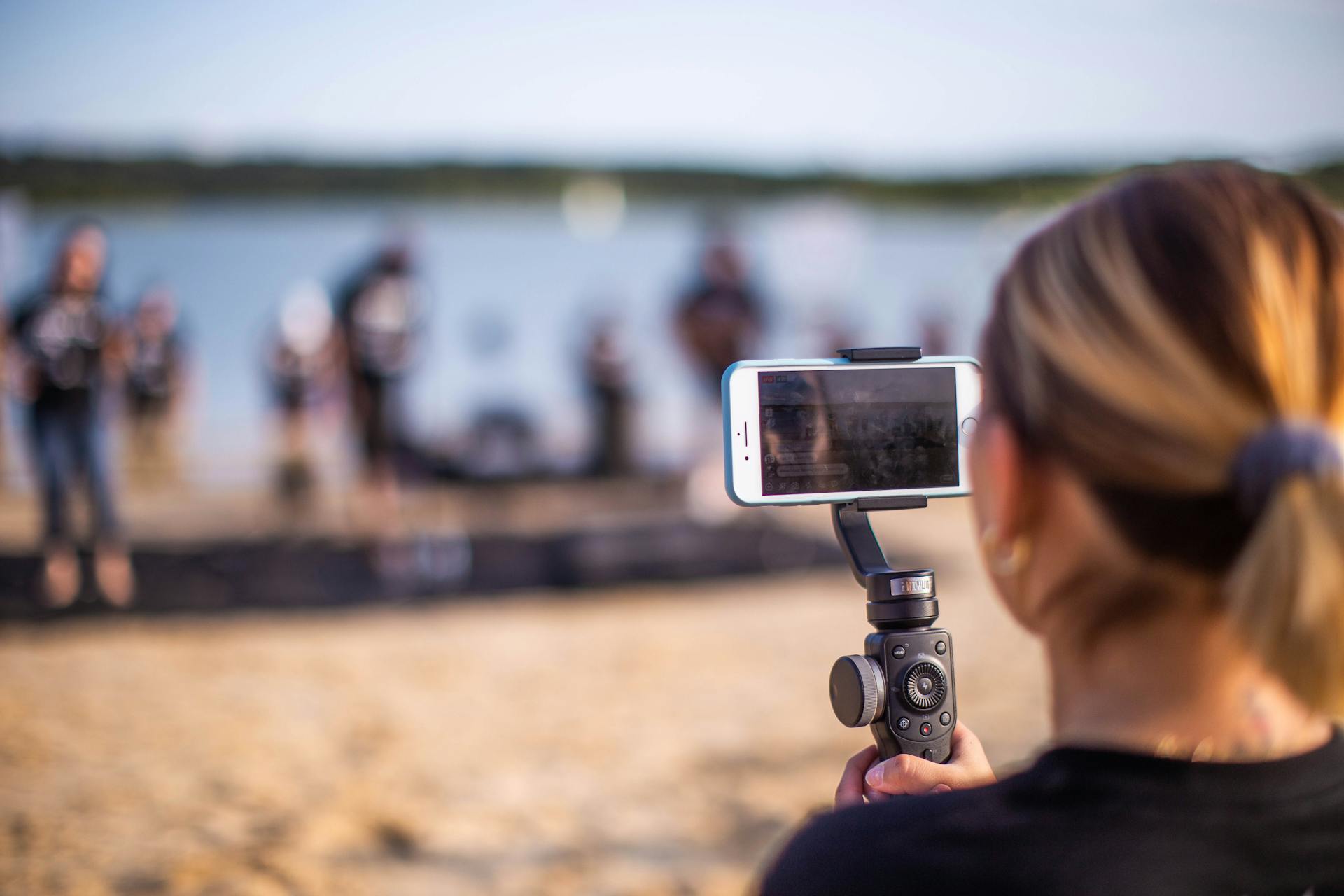

In a digital landscape absolutely flooded with highly polished, pre-recorded videos, brands and content creators are missing out on the ultimate engagement hack: simply going live.
According to new research from the McCombs School of Business at The University of Texas at Austin, knowing that a video is streaming in real time triggers a powerful psychological response that drastically boosts a viewer’s emotional connection, enjoyment, and overall engagement.
The researchers dubbed this phenomenon the “mere liveness effect,” proving that the raw, unedited nature of a livestream successfully breaks down the digital barriers between a performer and their audience.
Adrian Ward, an associate professor of marketing who led the study, said: “As we spend more of our time online and on social media, it’s worth asking how we can feel as complete and connected as possible in these spaces.”
The mere liveness effect
The global livestreaming industry is currently booming, with the market expected to surge from $100 billion in 2024 to an estimated $345 billion by 2030. Today, nearly 30 per cent of all internet users watch a livestream on social media at least once a week.
To understand exactly why this format is so compelling, Ward teamed up with Alixandra Barasch of the University of Colorado Boulder and Nofar Duani of the University of Southern California to run five extensive experiments involving 3,500 participants in total.
The subjects were asked to watch various videos on platforms such as Twitch and YouTube. In one test, they viewed a performance by the R&B cover band Sunny and the Black Pack either live on YouTube Live, or as a pre-recorded video uploaded the following day.
The experiments revealed that live streams provided a significant “liveness lift” across the board:
- Connection: Viewers felt seven percentage points more connected to performers in a live video. This effect actually grew stronger when viewers believed no one else was watching the stream.
- Enjoyment: Participants enjoyed live videos 5 percentage points more than the pre-recorded versions.
- Engagement: Viewers consistently chose to watch live streams for longer periods and were far more willing to follow and subscribe to the creator’s channel.
Ward explained: “When we watch something live, we are psychologically transported there. It’s not that there’s actually something different about the video itself. It’s that we know that it’s live right now, and that breaks down barriers between our world and the world on the other side of the screen.”
Breaking the illusion
However, the researchers noted that the liveness effect can be easily broken. When viewers could not see a performer’s face — such as a video showing only a musician’s hands on an instrument — they felt significantly less connected, entirely negating the psychological benefits of the live format.
Ward believes the findings present significant opportunities for marketers, platform developers, and influencers seeking to build authentic trust with their target demographic. He is currently working on a follow-up study to determine if this heightened engagement translates directly into increased brand trust or sales.
Ward said: “From influencers to businesses, it’s about the experience of real people seeing other real people live and in the moment. It makes you feel like you’re sharing something.”