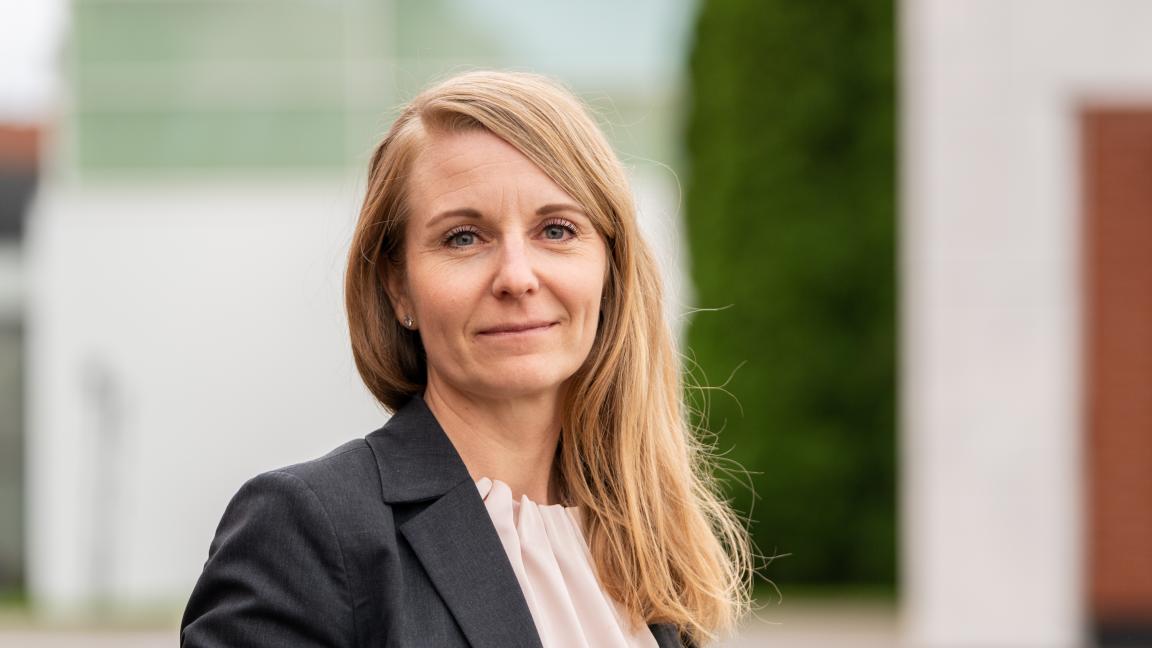

A Finnish university study has identified a three-level framework to resolve the post-pandemic stalemate between management demanding office returns and employees preferring remote work.
Johanna Jansson’s doctoral dissertation at the University of Vaasa found that successful remote work requires balancing organisational design, supervisor-subordinate relationships and employee responsibilities rather than focusing solely on individual human resource practices.
The research challenges companies attempting to adapt through piecemeal policy updates, with Jansson arguing this approach is fundamentally flawed.
“Many companies try to adapt to remote work by updating individual HR practices, which in itself is a good thing. However, it’s only part of the solution,” Jansson said. “If the organisation’s basic structure is still designed only for office work, tweaking individual practices is like putting winter tires on a convertible. You might get a little more grip, but the ride is still inefficient and uncomfortable because the car’s structure is wrong for winter conditions.”
The study emphasises shifting from control-based management to coordination-focused approaches that support employee autonomy whilst maintaining clear expectations for innovation, organisational culture and knowledge sharing across all work models.
The research revealed imbalanced supervisor-subordinate interactions, where managers strive to maintain contact but employees must take more active roles in reciprocal communication to preserve trust-based operating models.
Jansson stressed that remote workers must consider their impact on team and organisational success whilst developing essential skills including self-leadership, technology proficiency and digital interaction capabilities rather than focusing purely on personal work preferences.
The study advocates for empathic dialogue between management and employees to build modern workplace solutions without discarding effective remote work practices or forcing office returns.
“The results of the research are comforting, as they show that the remote work confrontation can be resolved,” Jansson concluded. “When all three levels are taken into account in the implementation of HR practices, remote work can generate mutual benefits that enhance productivity and well-being.”