Liberals and conservatives both oppose censorship of children’s literature unless the writing offends their own ideology, according to Cornell University research finding that political ideas are now viewed as dangerous whilst threatening free speech as a core value.
The study, published on 23 September in PLOS One, examined a representative US population and found competing cancel cultures in which widespread opposition to literary censorship masked offsetting disagreements between left-wing and right-wing values. The findings highlight polarisation of an issue once governed by bipartisan consensus over protecting children from inappropriate violent or sexual content.
Michael Macy, Distinguished Professor of Arts and Sciences in Sociology at Cornell and senior author, said: “When each side attacks cancel culture on the other side, the attacks do not cancel out – they additively contribute to the restriction of freedom of expression. When people see ‘freedom of expression’ as just another weapon to use in the culture wars, it contributes to the problem of censorship by demeaning free expression as a core societal value.”
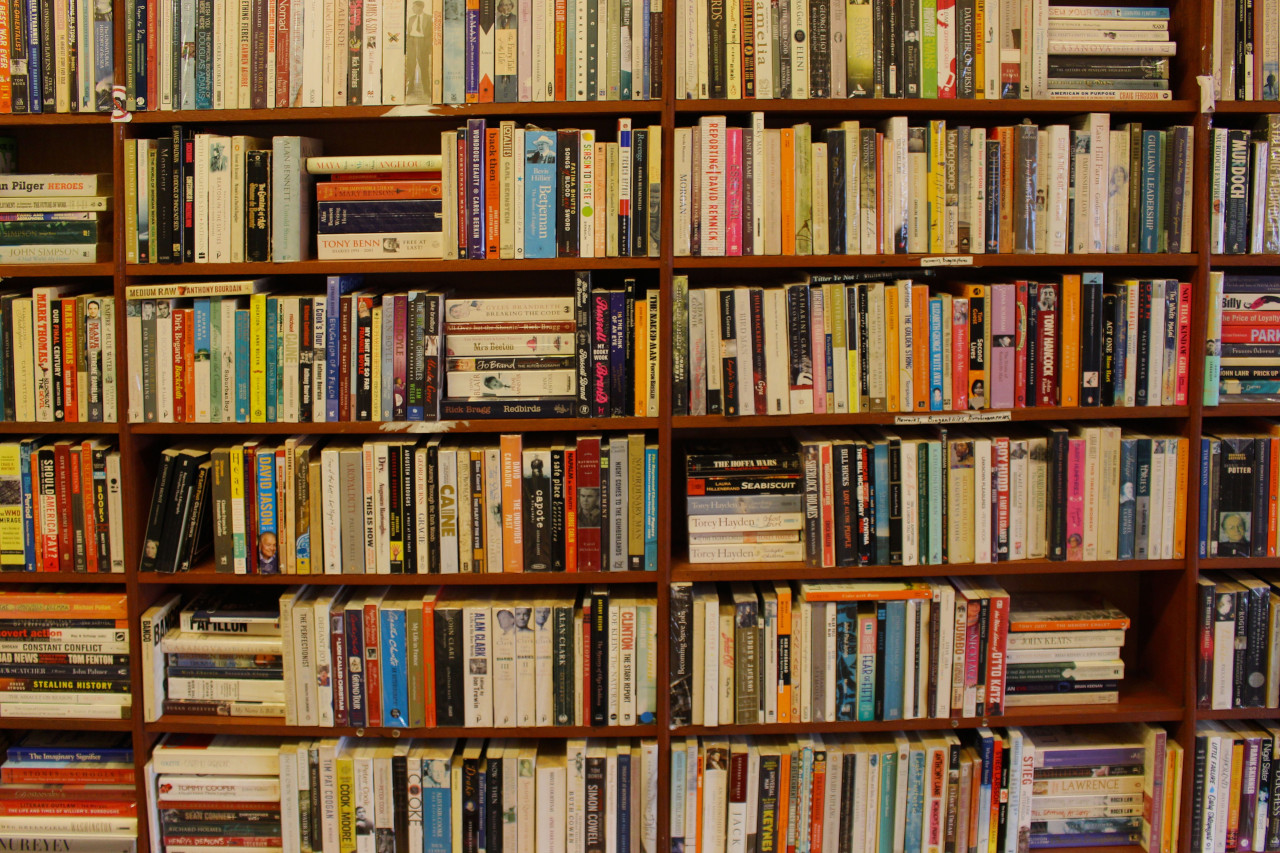
Public efforts to censor are rising, with the American Library Association in 2022 documenting 1,269 demands to censor library books and resources, the highest number of attempted book bans since it began compiling data more than 20 years earlier. Preliminary 2023 data indicated a record surge of challenges in public libraries.
During the mid-20th century, the left and right jointly targeted sexual and violent content, including a bipartisan US Senate hearing in 1954 on the public health threat posed by comic books. Later campaigns coalesced to label music and video games. However, in recent years concerns have shifted to political ideology, with progressives targeting books seen as reinforcing racism, sexism and homophobia, whilst the right has attacked literature promoting diversity or violating norms of cisgendered heterosexuality.
Adam Szetela, co-first author and author of “That Book Is Dangerous! How Moral Panic, Social Media, and the Culture Wars Are Remaking Publishing”, said: “With the moral panic over comic books in the 50s, you had people on the far left saying this content was corrupting kids and making them violent, and those same concerns were echoed on the far right. Today, there’s still that urge to restrict what can be written and read by people, especially young people, but it has a clearer polarised valence.”
The first study measured attitudes about censorship using a representative sample of more than 800 participants who responded to 15 statements: five liberals would be more likely to agree with, five conservatives would be more likely to agree with, and five ideologically neutral statements. Conservatives proved more likely than liberals to support censorship on neutral questions, but results overall showed both sides held surprisingly similar views about censorship.
The researchers found both sides willing to let children read books reflecting their own values but not those exposing children to ideological contamination, with both liberals and conservatives supporting censorship of some children’s books but not the same ones.
A second study tested willingness to censor based on ideological criticism. More than 800 participants read four poems with content deemed non-ideological in pre-tests, with an experimental group also reading accusations the poems were either racist, sexist, homophobic or antisemitic, or anti-family, anti-male, unpatriotic or anti-Christian. Results showed liberals were more likely than conservatives to agree with criticism aligning with their ideology, whilst conservatives were more likely than liberals to censor material in the absence of exposure to criticism.
Szetela said amid the right’s backlash against woke cancel culture, people now refer to right-wing wokeness as activists work to stifle liberal content they oppose. Both sides are engaged in partisan pushes for censorship, the right more through legislative action and the left more through social media.