
University of Texas at Arlington researchers have developed artificial intelligence models that analyse millions of cells in seconds, reducing processing time from days whilst providing detailed insights into disease origins.
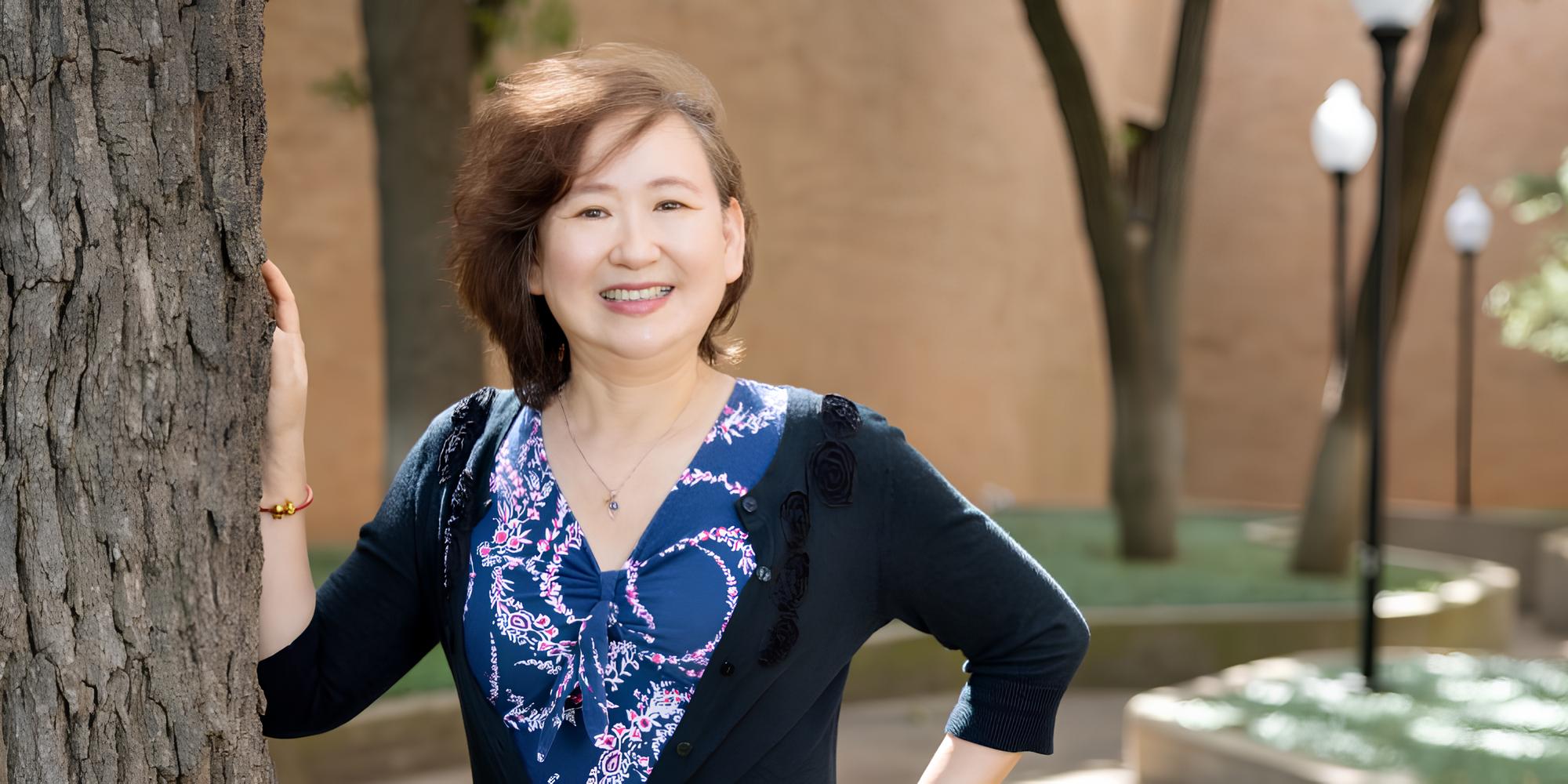
Xinlei (Sherry) Wang, Jenkins Garrett professor of statistics and data science in UT Arlington’s Department of Mathematics, received a four-year, $1.28 million federal grant to advance the study of Statistical and Deep Generative Modelling for Enhanced CyTOF Data Interpretation and Discovery.
The AI models analyse data from CyTOF technology, which scans thousands of individual cells simultaneously and measures dozens of proteins within them. The system can process millions of cells at once, each with 40 to 100 protein expressions or tens of thousands of gene expressions, identifying different cell types and comparing healthy and diseased cells.
Wang, founding director for research in the Division of Data Science, said the AI integration enables rapid scaling of analysis capabilities.
“Without AI integrated into our Bayesian framework, you couldn’t scale and it would take several days or even longer to get results,” Wang said. “With AI, you get reliable, rigorous results within seconds, even for millions of cells. We model what we know about the data using transparent Bayesian models so the parameters are interpretable. For example, a parameter might indicate increased protein expression in the disease group compared to the control group.”
The researchers develop bioinformatic and statistical tools using a Bayesian framework that produce interpretable results, showing how detailed single-cell analysis data is generated and revealing underlying patterns. The algorithms combine data from single-cell transcriptomics with CyTOF protein analysis to provide insights into cellular activity related to diseases such as cancer.
Kevin Wang, a recent doctoral graduate now serving as a tenure-track assistant professor at Davidson University, won the Best PhD Poster Award at the 2025 Conference of Texas Statisticians for presenting preliminary results.