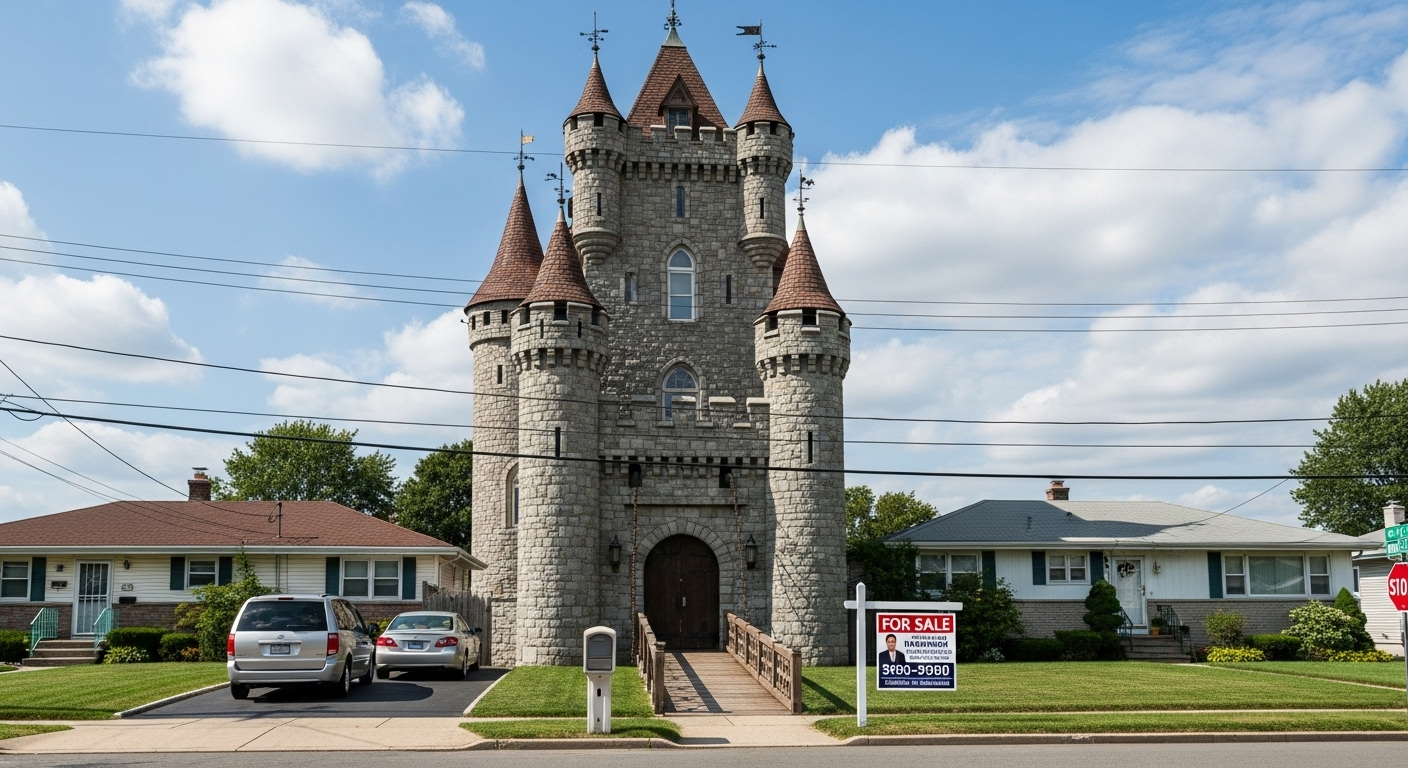

The real estate industry is facing a surge of AI-generated “slop,” from fake video walk-throughs to digitally altered images featuring “stair hallucinations” that mislead potential buyers.
AI tools are quickly reshaping the property market, with one app, AutoReel, generating 500 to 1,000 new listing videos daily by turning static photos of empty homes into fully furnished video tours, reports WIRED.
Adoption is widespread. “I’ve been at a few conferences over the past few weeks, and just anecdotally speaking, we’ll ask out of 100 people in the audience how many are using AI, and I’d say 80 to 90 percent of people raise their hand,” says Dan Weisman, the director of innovation strategy at the National Association of Realtors.
While agents embrace the technology to cut costs, consumers are flagging listings that are deceptively altered. One homeowner in Michigan spotted AI-edited photos of a local property that looked cartoonish and included stairways that led to nowhere. Other examples include a tiny New York City loft digitally expanded into a master bedroom and a house in Detroit given a fake new roof.
“ChatGPT for free in 45 seconds”
“Why would I send my photos of an empty room to a virtual stager, have them spend four days and send it back to me at a charge of 500 bucks when I can just do it in ChatGPT for free in 45 seconds?” asks Jason Haber, a licensed realtor and cofounder of the American Real Estate Association.
Haber noted that while deceptive practices can lead to fines, there is an “epidemic” of lazy AI use, such as agents copying and pasting listing descriptions directly from ChatGPT, which he says can be identified by the overuse of the word “nestled”. The National Association of Realtors’ code of ethics prohibits misleading images, but the organisation has advised that the legal territory remains “murky”.
While AI vendors claim their tools save agents up to $1,000 and a week’s turnaround time, critics warn the technology is unreliable. Real estate photographer Nathan Cool noted that AI tools can still hallucinate and add fake items, like a couch, into video walk-throughs.
“People that want to buy a house, they’re going to make the largest investment of their lifetime,” he said. Cool added that buyers do not want to be fooled before they even arrive at a property.



