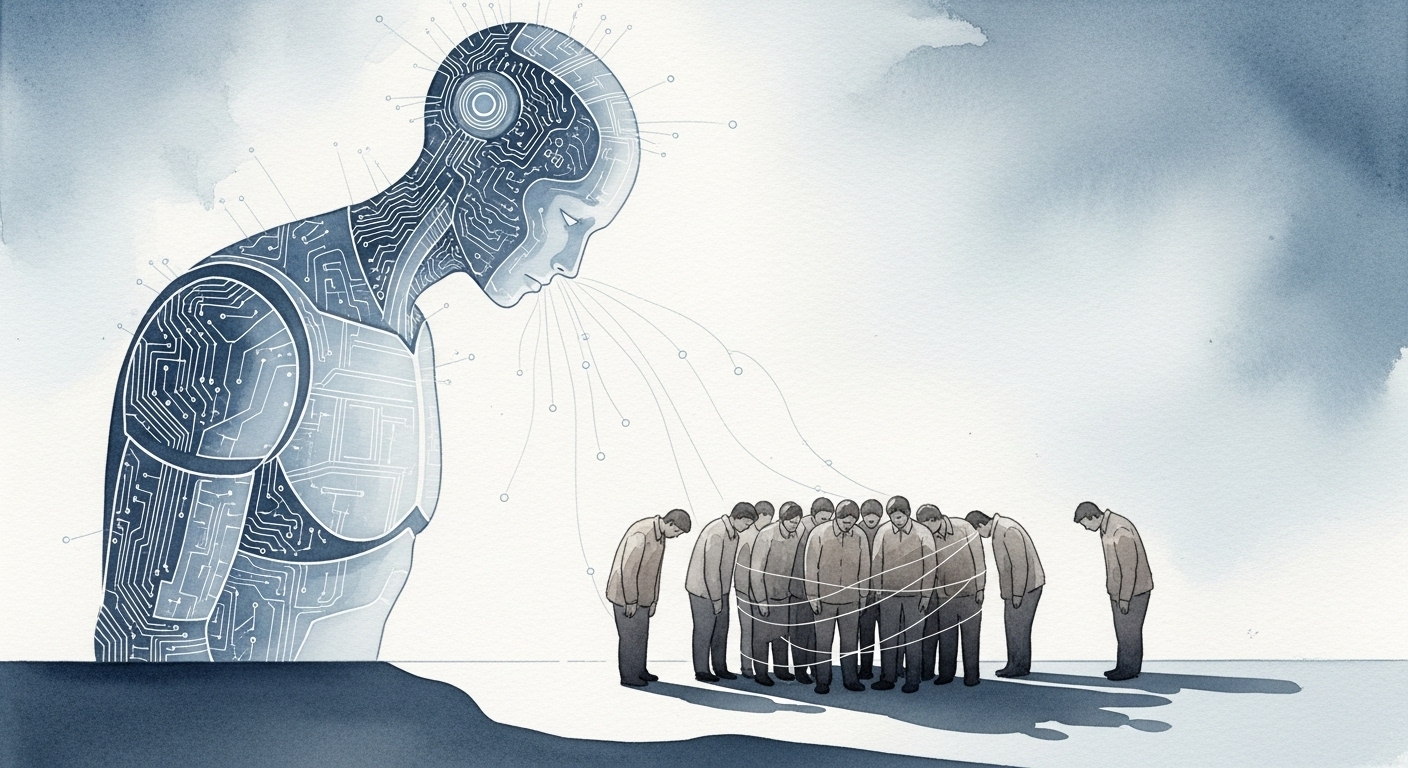

Algorithms that threaten worker dignity, autonomy, and discretion are quietly reshaping how people are managed at work, warns new research from the University of Surrey.
The study, published in the Annals of Tourism Research, finds that Artificial Intelligence (AI)–driven management systems can be made more human – if organisations reintroduce human judgement, transparency, and flexibility into how algorithms are designed and used.
Drawing on interviews with thirty hospitality professionals and developers, as well as an analysis of 61 algorithmic management systems used across hotels, restaurants, and call centres, the research details how AI does not automatically replace managers but quietly redistributes authority. Algorithms make decisions about tasks, performance, and scheduling, but the human managers who interpret, adapt, or challenge these outputs determine whether workplaces become more empowering or more oppressive.
Tools for collaboration
Dr Brana Jianu, co-author of the study, Research Fellow at the University of Surrey, said: “Algorithmic management doesn’t have to strip work of its humanity. When managers use algorithms as tools for collaboration rather than control, they can protect employee dignity while still improving efficiency. The key is to keep people in the loop – explaining how systems work, encouraging discretion, and giving staff the power to question automated decisions.”.
The research introduces the concept of Modalities of (In)Visibility to describe how algorithms shape what is seen, measured, and valued in the workplace. When algorithms highlight context and allow for human interpretation, staff feel empowered and respected. When the logic behind the system is hidden, workers are more likely to feel surveilled and powerless.
Professor Iis Tussyadiah, Dean of Surrey Business School and co-author of the study said: “We need to design dashboards that show not just individual productivity, but team collaboration; allowing employees to challenge or amend automated allocations; and holding transparency sessions that explain how data is used to make scheduling or evaluation decisions.”.
“Humanising AI at work depends less on the technology itself and more on how organisations use it. As the hospitality sector becomes a testing ground for AI management, the lessons learned could reshape workplaces far beyond hotels and restaurants.”



