
Modern editing tools and algorithmic beauty standards are accelerating centuries-old stereotypes regarding facial features, transforming the nose from a sensory organ into a site of political and cultural conflict, according to new research from Edith Cowan University (ECU).
In a study published in the journal Body & Society, researcher Dr. Laura Glitsos investigates how the nose is represented on social media. She argues that digital platforms have reduced the feature to an idealised visual object, often conforming to narrow Eurocentric standards.
“Facial filters, photo-editing tools and beauty trends consistently reshape noses towards a small, straight, Western ideal,” says Glitsos. “This reinforces the idea that certain noses are more acceptable than others, an idea with very deep historical roots.”
From folklore to filters
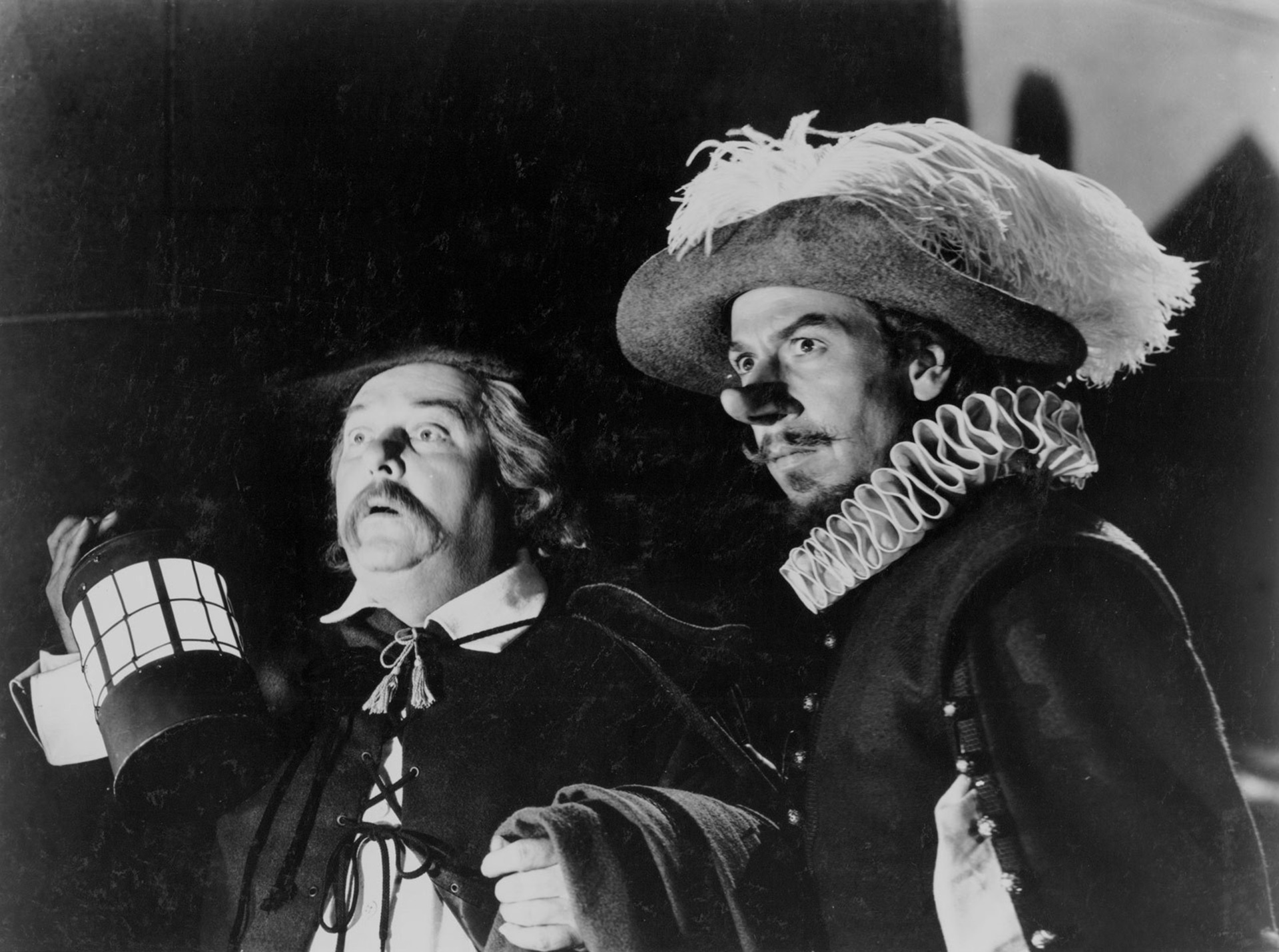
The research draws a direct line between contemporary social media practices — such as AI photo manipulation and contouring tutorials — and much older visual traditions found in fairy tales, film, and religious folklore.
Glitsos notes that history is filled with characters whose morality is coded through their facial features, from witches marked by exaggerated noses to cinematic villains designed to look “other.” The study suggests that while technology has changed, the underlying bias remains the same.
“Social media hasn’t invented these ideas,” says Glitsos. “It has inherited them and amplified them at an unprecedented scale.”
A community of resistance
To understand the real-world impact of these digital pressures, the study analysed nearly 1,000 posts from the Reddit community r/Noses. The data revealed a complex battleground over self-image.
Many users reported that years of exposure to filtered images and influencers led them to believe their nose “ruined” their face. However, the study also found that social media serves as a potent tool for resistance.
Glitsos found that communities like r/Noses are increasingly used to celebrate nasal diversity. Users frequently share pride in features linked to their family heritage, ethnicity, and identity — specifically embracing nose shapes that have historically been targets of racism or sexism.
“People use these spaces to unlearn shame and support each other,” says Glitsos. “The nose becomes a place where personal history, ancestry and identity are reclaimed rather than erased.”