
A new wave of autonomous ferries is set to hit the water as early as this autumn, promising to operate with minimal human intervention. However, the very people who spend their lives at sea are deeply concerned about the technical safety of these driverless ships, warning that removing humans from the bridge could lead to disaster.
According to a new study from the Norwegian University of Science and Technology (NTNU), captains and mates have little to no confidence in the maritime industry’s push for automation.
PhD research fellow Asbjørn Lein Aalberg said: “Seafarers feel strongly that people should continue to work on board, maintaining oversight and control so that unforeseen events can be managed properly.”
A dozen challenges
Aalberg and Professor Trond Kongsvik analysed open-ended responses from 1,009 captains and mates working on Norwegian ships, making it the largest study of its kind worldwide.
The researchers identified 12 major topics of concern regarding the safety of autonomous ships. The seafarers’ anxieties ranged from how driverless vessels will handle sudden emergencies to general concerns about crew competence and situational awareness.
One respondent bluntly stated: “In waves of over 4 metres, I do not want to encounter an autonomous ship that does not use the ‘bad weather route’ like we do.”
Another major concern among the captains is the fear of losing their own hard-earned skills. Aalberg was surprised to find that many seafarers are worried they will become mentally lazy from simply sitting and relying on the technology. Much like drivers have become reliant on GPS and automatic gear — making it difficult to suddenly navigate with a physical map — captains fear losing their intuition for navigating critical events or manoeuvring in bad weather.
Another respondent noted: “Crews are becoming lazy because they expect an alarm on absolutely everything.”
Humans are not spare parts
Despite this pushback, the industry is moving rapidly. The Norwegian Public Roads Administration has already stipulated that new autonomous ferries set to operate on the Lavik–Oppedal crossing from autumn 2026 must run with minimal human intervention.
However, Aalberg argues that the maritime sector needs to take a cue from the medical field. While artificial intelligence is becoming incredibly accurate at assessing X-rays, medical experts still believe they are better at evaluating complex cases holistically. Just like doctors, ship officers find it difficult to fully trust technology, and research shows that results are often far better when humans interact with the systems rather than being replaced by them.
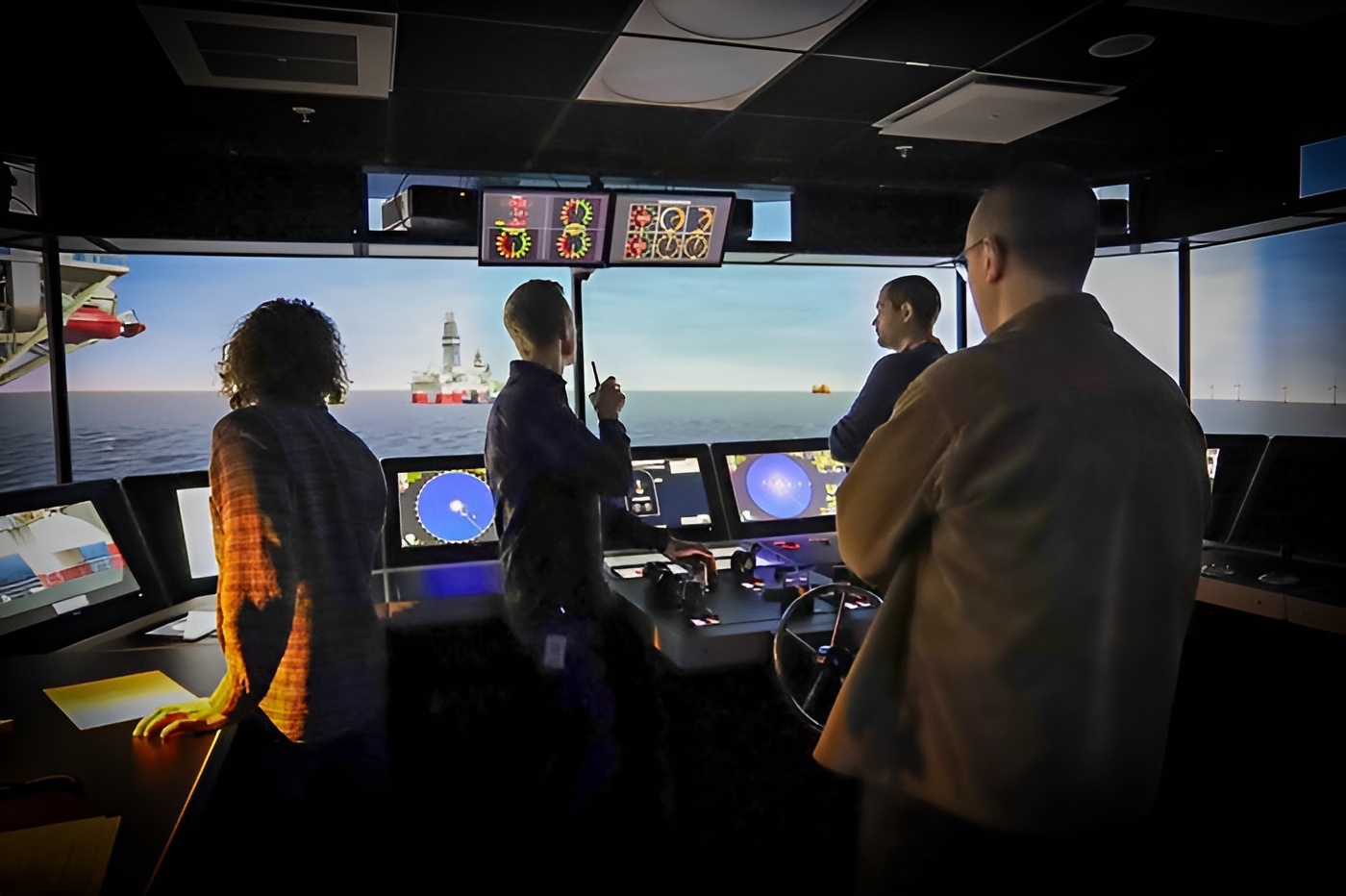
Academic communities like NTNU’s Shore Control Lab are currently focusing on creating solutions where humans remain at the centre of the system, rather than acting as a “spare part” that shouldn’t intervene.
Aalberg warned that the industry must address these challenges head-on and understand why seafarers are so sceptical, especially as the sector struggles to recruit new staff.
Aalberg concluded: “Trust is the key to collaboration between people and systems. If most seafarers are sceptical about the new technology, it provides a poor foundation for recruiting competent personnel. It is important that the development takes place in a way that builds trust among seafarers, passengers and other users.”