
Sticking with the same comfortable social circles might feel safe, but a new study from Northwestern University warns that tight connections can trap new ideas in a circular echo chamber.
According to research published in the Nature Portfolio journal Communications Physics, theoretical physicists have developed a new framework that shows new ideas and behaviours can spread widely only if you actively break familiar connections and seek out new ones.
The downside of Hebbian learning
To understand how activities spread across networks, the Northwestern team focused on a fundamental psychological concept known as “Hebbian learning”.
First proposed by psychologist Donald Hebb in 1949, the concept describes how connections strengthen through repeated use.
“Hebbian learning is often summarised as ‘neurons that fire together wire together,’” explained István Kovács, an assistant professor of physics and astronomy who led the study. “It means that when two neurons activate at the same time, the connection between them strengthens, making it more likely they will activate together again in the future.”
Kovács, alongside co-first author Will Engedal, incorporated this learning rule into a traditional network model — where nodes represent people or neurons, and links represent their connections. In their modified model, the connections could actively change based on positive or negative experiences.
‘Death spiral’ of positive reinforcement
The results were completely counterintuitive. The researchers found that when interacting nodes received positive reinforcement, they were more likely to interact again, strengthening the connection. However, this “positive” strengthening actively trapped the activity, forcing it to circle back along the exact same routes in tight, unbreakable loops rather than reaching new areas.
Conversely, when nodes received negative reinforcement, the connections weakened, forcing the activity to spread rapidly outward to explore entirely new paths.
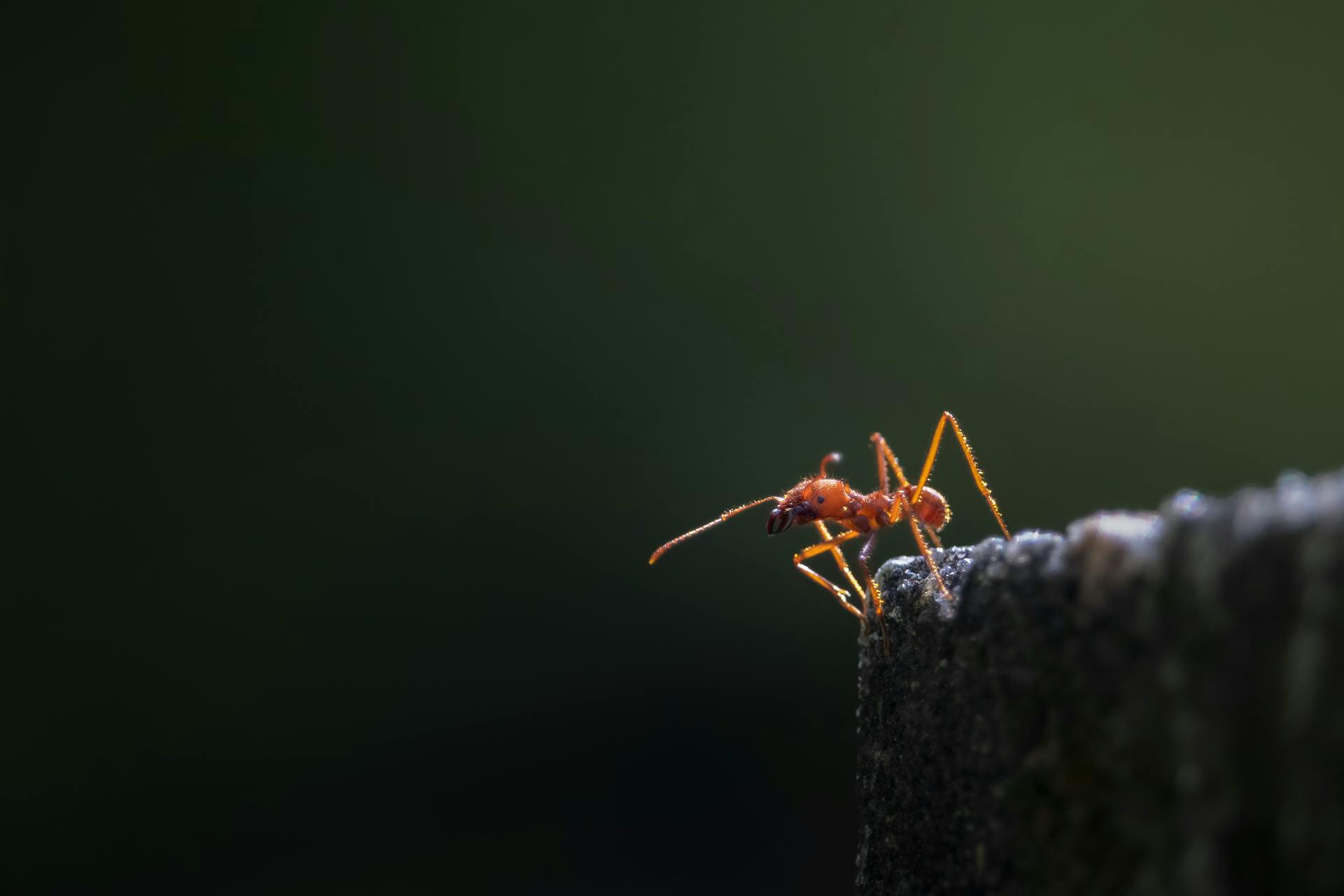
Kovács likened the phenomenon of tight, positive connections to a bizarre natural occurrence known as an “ant mill”.
“Blind fire ants follow pheromones. But they can accidentally go in a loop. As they follow the loop, the pheromone scent gets stronger, so they continue to follow the same circular trail,” Kovács explained. “The same type of ‘death spiral’ can happen in our model with positive feedback.”
Because the model focuses on the fundamental mechanics by which past interactions shape future ones, the researchers believe these findings apply across a wide range of biological and social systems.
The team concluded that whether a viral infection, a brain signal, or a brand-new idea spreads or stalls ultimately hinges on a single choice: revisit the same comfortable connections, or explore new, unfamiliar ones.