
Researchers have identified a predictable pattern of escalating human rights violations that precedes mass atrocities and genocide, creating an early warning system that could alert activists and governments to intervene before large-scale killings begin.
The brutality-based atrocity indicator, developed by researchers at Binghamton University and the University of Rhode Island using 40 years of US State Department data, would have been triggered at least two years before six of the seven genocides occurring after 1990, with the Serbia and Montenegro conflict the only exception.
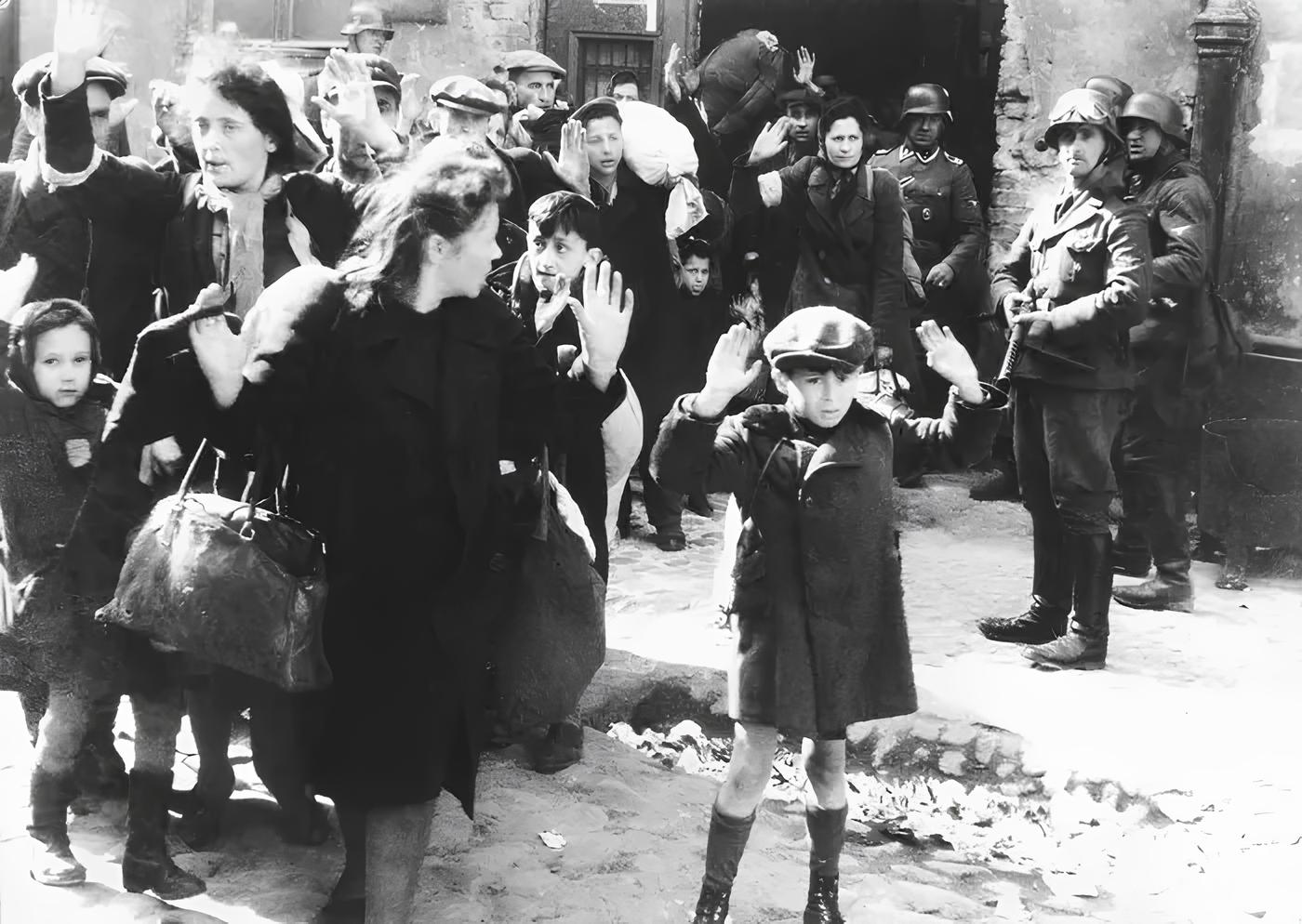
“There’s never been a genocide without multiple other human rights violations going on,” said David Cingranelli, professor of political science at Binghamton University and co-director of the University’s Human Rights Institute. “The Holocaust is a famous example.”
The research, published in the Journal of Comparative Policy Analysis, shows that state-led atrocities have occurred in more than 30 countries each year for the past 7 years, with 2022 alone recording 47 atrocities, the highest number ever documented.
The sequence of violations begins subtly with compromises to workers’ rights and the right to a fair trial, followed by widespread brutality by law enforcement and prison guards, and the judiciary losing its independence from the executive branch. Next come restrictions on freedom of speech for specific groups, loss of the right to assemble in public places, political imprisonment, loss of electoral self-determination and finally extrajudicial killings, the mark of mass atrocity.
“Large-scale killing”
“If you’re an activist in a country and you see human rights violations of particular kinds occurring, that alerts you to the fact that the next step could very well be large-scale killing,” Cingranelli said.
In Myanmar, for example, the sequence of escalating human rights abuses took more than a decade before it culminated in a genocide against the Rohingya ethnic minority. A mass atrocity is in play when extrajudicial killings are widespread and accompanied by other human rights violations. Genocide requires a government’s intent to exterminate a group in whole or in part, according to international law.
The research by URI Associate Professor of Political Science Skip Mark and Cingranelli utilises data from the annual human rights reports compiled by the US State Department, which are collected by designated human rights officers stationed in embassies worldwide. The first trustworthy data were collected in 1981 under the Carter administration.
Surprisingly, restrictions on freedom of movement are not among the warning signs, typically falling into place around the time extrajudicial killings become widespread. Nor are the loss of women’s social and economic rights included in the sequence.
State violence is inevitably targeted at specific groups, with human rights violations centring on the rights of minorities. In the United States, these are almost exclusively racial minorities, whilst in India, it is the Muslim religious minority.
The researchers are developing their findings into a book aimed at activists and governments working to prevent atrocities, along with Cornell University postdoctoral fellow Deanne Roark.