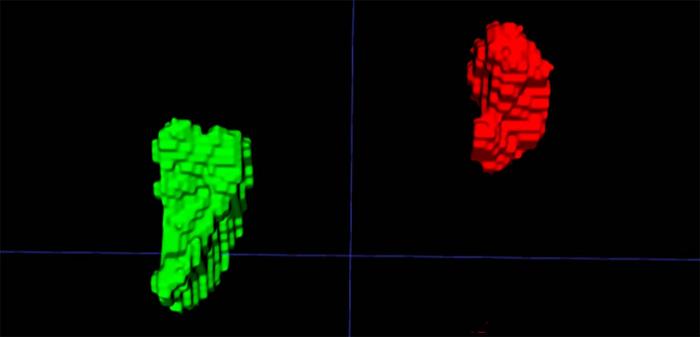

Researchers have identified the first-of-its-kind biomarker of chronic stress detectable through routine imaging using a deep learning AI model.
The study was presented at the annual meeting of the Radiological Society of North America (RSNA).
“For the first time, we can ‘see’ the long-term burden of stress inside the body, using a scan that patients already get every day in hospitals across the country,” said senior author Shadpour Demehri, M.D., professor of radiology at Johns Hopkins.
Biological barometer
The AI model measures adrenal gland volume on existing chest CT scans. Unlike single cortisol measurements which provide a momentary snapshot, adrenal volume acts as a biological barometer of chronic stress.
Researchers applied the model to data from 2,842 participants with a mean age of 69.3. They found that the Adrenal Volume Index (AVI) correlated with circulating cortisol levels and future adverse cardiovascular outcomes.
“This AI-driven biomarker has the potential to enhance cardiovascular risk stratification and guide preventive care without additional testing or radiation,” said lead author Elena Ghotbi, M.D., a postdoctoral research fellow at Johns Hopkins University School of Medicine.
Predicting outcomes
The study found that each 1 cm³/m² increase in AVI was linked to greater risk of heart failure and mortality. Higher AVI was also associated with greater cortisol, peak cortisol and allostatic load.
“It’s a true step forward in operationalising the cumulative impact of stress on health,” said Teresa E. Seeman, PhD, study co-author and professor of epidemiology at UCLA.