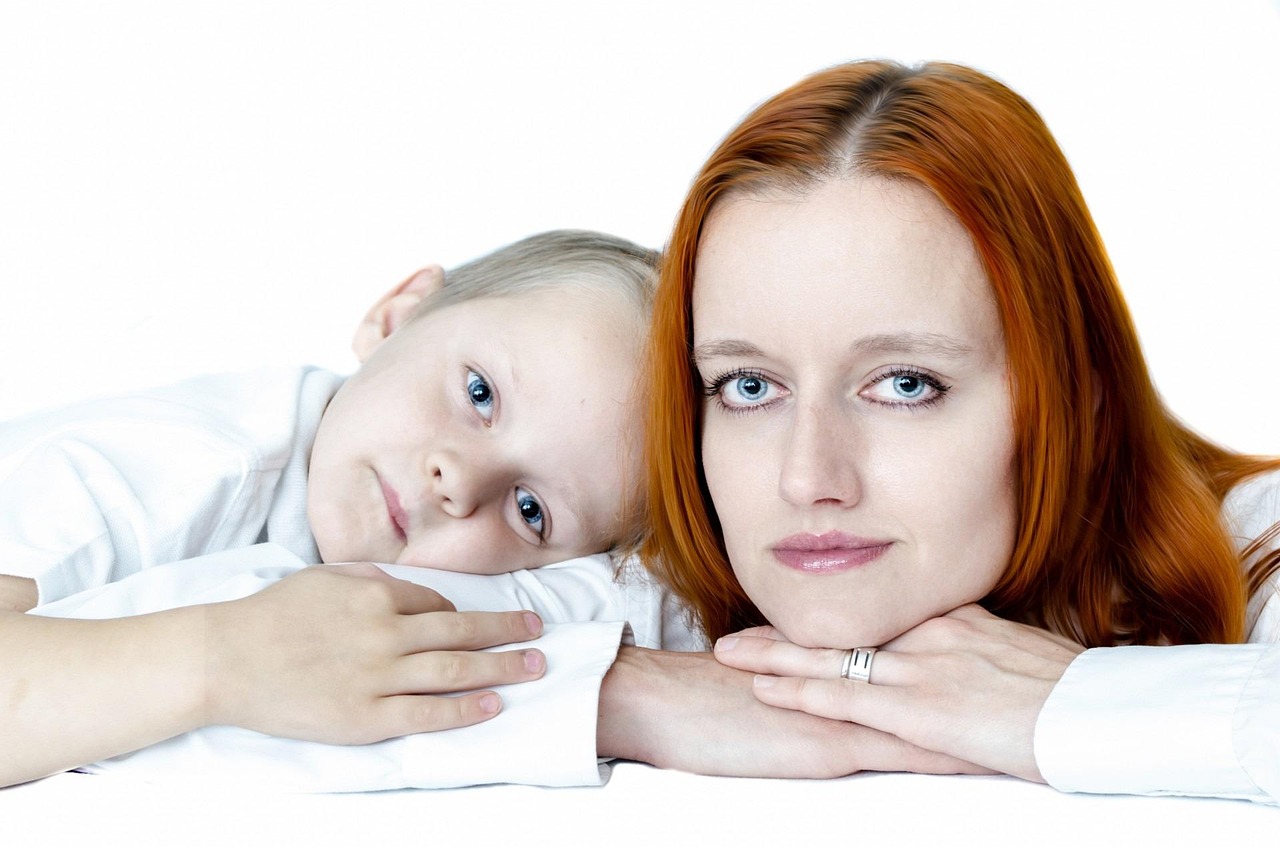

Raising a child has always been hard work, but a new study suggests that modern mothers are now facing an unprecedented burden: the pressure to fix a broken world through their parenting choices.
Research from Concordia University, published in the Journal of Gender Studies, argues that a “relentless tide” of anxiety-inducing headlines — from climate change to financial collapse — is fueling a phenomenon they call “maternal responsibilisation.”
As governments struggle to address complex structural issues like environmental degradation and institutional racism, the researchers claim that mothers are being expected to pick up the slack, serving as sources of comfort and solutions for society as a whole.
The weight of the world
The study suggests that being a “good mother” is increasingly defined by how well a parent addresses these crises. This manifests in high-pressure daily decisions: choosing the “right” eco-friendly diapers, providing only organic food, or strictly adopting anti-oppressive parenting practices.
“The policy frameworks in place align with a neoliberal approach to governing that avoids tackling structural issues,” said lead author Stephanie Paterson, a professor of political science at Concordia.
“Those issues have been offloaded onto individuals. At a more granular level, mothers are still typically seen as largely responsible for societies.”
From caregiving to activism
The researchers interviewed 33 first-time mothers in Montreal and Toronto over a two-year period, tracking them from pregnancy through to 18 months post-partum.
The interviews took place against a backdrop of major news events, including the Ferguson riots in the US and the Truth and Reconciliation Commission in Canada.
The authors found that for many women, the role of “mother” had expanded beyond basic caregiving. It now included a moral imperative to nurture children who would correct the mistakes of previous generations. This influenced lifestyle choices ranging from avoiding air travel and eating plant-based diets to actively teaching infants about diversity and resisting gender norms.
“Like many of us, mothers are faced with a perpetual state of insecurity through almost constant crisis messaging,” said co-author Shannon Hebblethwaite.
“Adding to the pressures of motherhood, they also face generational expectations to raise children in ways that address social and environmental injustices in which governments have been unable or unwilling to invest.”