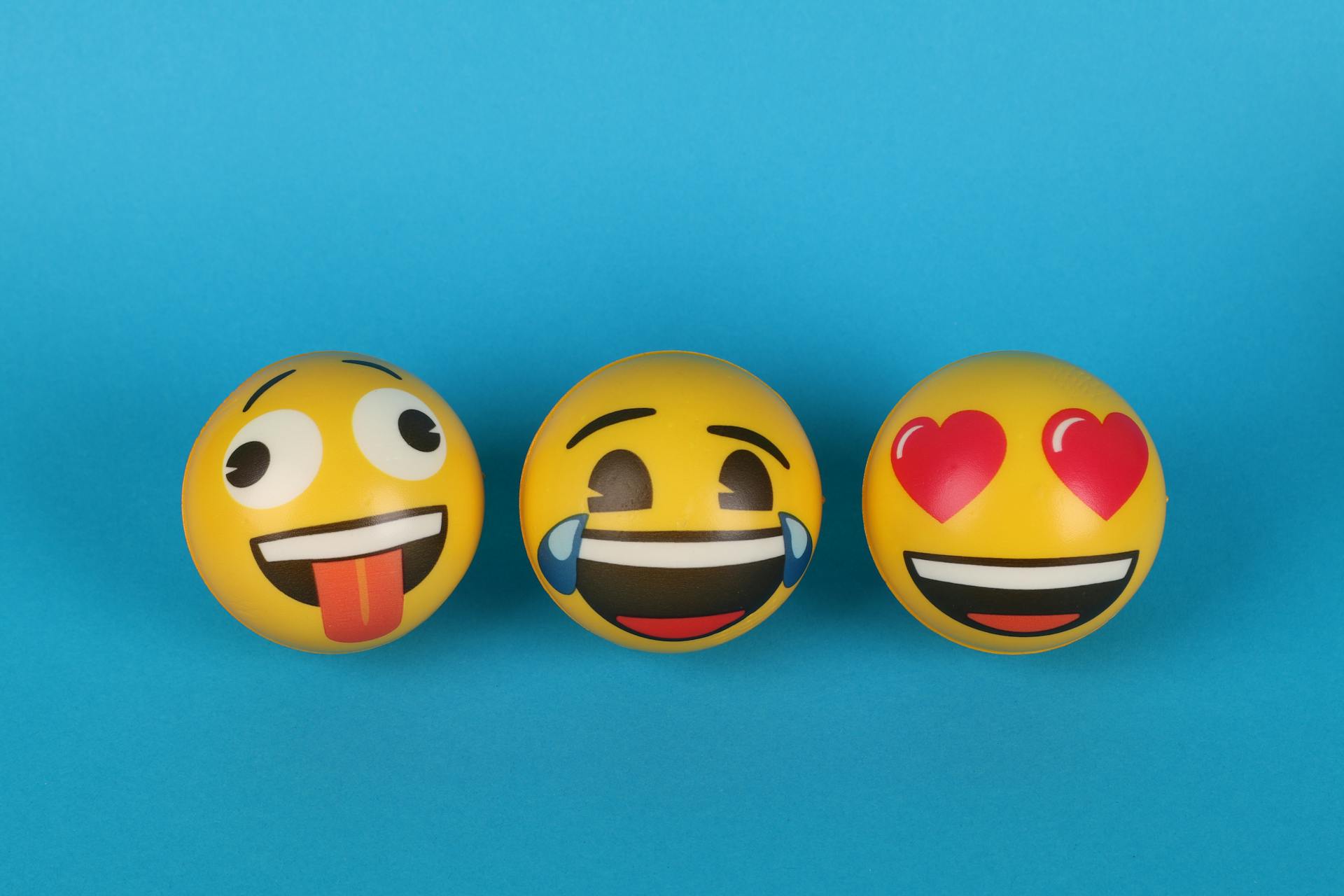

The humble smiley face has officially crossed the digital divide into one of the most serious documents in a person’s life: the permanent medical record.
New research from the University of Michigan, published in JAMA Network Open, reveals that doctors and clinical staff are increasingly using emojis to communicate with patients, raising unexpected questions about professionalism and the risk of medical misinterpretation.
After analysing more than 218 million clinical notes from 1.6 million patients between 2020 and 2025, researchers discovered that emojis are no longer just for texting — they are becoming a permanent part of clinical history.
Diagnosis: 😊
The analysis identified 372 distinct emoji types across thousands of medical notes. Although still rare relative to the total volume of text, its use is increasing.
The most popular symbols found in the records were:
- Smiling face with smiling eyes (😊) – 1,772 instances
- Telephone receiver (📞) – 544 instances
- Calendar (📅) – 429 instances
Interestingly, the hospital building emoji (🏥) ranked a distant 30th.
Risky replacements
“In this exploratory study we set out to determine if emojis… have made their way into medical records. Surprisingly, we uncovered hundreds of distinct emojis being used,” said lead author Dr. David A. Hanauer.
Most of these symbols originated from the clinical teams themselves, often appearing in brief messages sent to patients via hospital portals.
While the majority were used simply to add a friendly tone or emphasis, the study flagged a potential safety risk: about one per cent of the time, emojis were used to replace actual words. The researchers cited the example of staff using a “pill” emoji (💊) instead of writing the word “medicine.”
Generational divide
The researchers warn that while a smiley face might seem harmless, the ambiguity of emojis could lead to serious confusion, particularly across generations.
The study revealed a surprising demographic spread. While patients aged 10-19 had the highest number of emojis in their records, the age group with the second-highest frequency was 70-79 years old.
“Given the small but growing presence of emojis in clinical documentation, we recommend that healthcare institutions proactively develop guidelines for their use to maintain clarity,” Dr. Hanauer advised.
“Future work should investigate how emojis might affect patient understanding, trust and outcomes.”



