
theFreesheet is the official media partner for Manchester Edge & Digital Infrastructure Summit, to be held on April 2nd, 2026.
Despite the pervasive industry narrative surrounding green data centres, global efficiency improvements have effectively stalled for the sixth consecutive year.
For operators, the easy gains are gone, just as the industry faces its biggest stress test yet. The Uptime Institute Global Data Centre Survey 2025 reveals that the industry has hit a stubborn plateau in energy efficiency, reporting a weighted average annual power usage effectiveness (PUE) of 1.54 in 2025. This figure marks the sixth consecutive year that the headline efficiency metric has seen little movement.
The stagnation comes at a critical juncture for operators. While efficiency gains have halted, facilities face rising costs, worsening power constraints and the escalating challenge of meeting capacity demands for artificial intelligence (AI). As operators expand and modernise to address density requirements, they are simultaneously battling supply chain delays and staffing shortages.
PUE progress ends in a plateau
Power usage effectiveness (PUE) remains the standard metric for tracking facility energy efficiency. Calculated by dividing total facility power by IT equipment power consumption, the metric is favoured for its simplicity, though it excludes critical elements such as water use.
The industry initially saw rapid improvements. In 2007, the average PUE stood at 2.50. By 2014, that figure had dropped significantly to 1.65 as operators harvested the “low-hanging fruit” of efficiency, such as upgrading older electrical systems and optimising airflow management.
However, that momentum has largely vanished. Since 2018, the weighted average has hovered just above 1.5, settling at 1.54 in 2025. According to Uptime Institute, the headline figure has “virtually stood still” over the past few years. Uptime points to legacy infrastructure and region-specific cooling barriers as key reasons why further improvements are proving difficult.
Sustainability reporting falters
Compounding the efficiency stalemate, the collection of key sustainability metrics — including carbon emissions — has not improved in 2025. The survey indicates that data collection for corporate sustainability purposes is faltering across several categories, potentially due to easing regulatory pressure in some regions.
While water usage tracking saw a modest increase — rising to 47 per cent in 2025 from 43 per cent in 2024 — other critical environmental metrics saw declines or stagnation. Only 26 per cent of organisations now track Scope 2 carbon emissions, down from 27 per cent the previous year. Furthermore, just 18 per cent of respondents track Scope 3 carbon emissions, a figure that remains unchanged from 2024.
This patchy approach may be influenced by shifting governance. For instance, the US Securities and Exchange Commission abandoned efforts to require climate risk reporting early in 2024, whilst the European Commission has delayed greenhouse gas reporting under the Corporate Sustainability Reporting Directive.
AI as efficiency tool and stress test
As operators struggle with these metrics, AI has emerged as a double-edged sword: it is both a tool for optimisation and a source of intense infrastructure stress.
Operators are cautiously adopting AI to streamline operations. The survey found that 58 per cent of respondents view increased facility efficiency as a primary benefit of using AI in operations. Additionally, 51 per cent cite a lower risk of human error, and 48 per cent point to increased staff productivity.
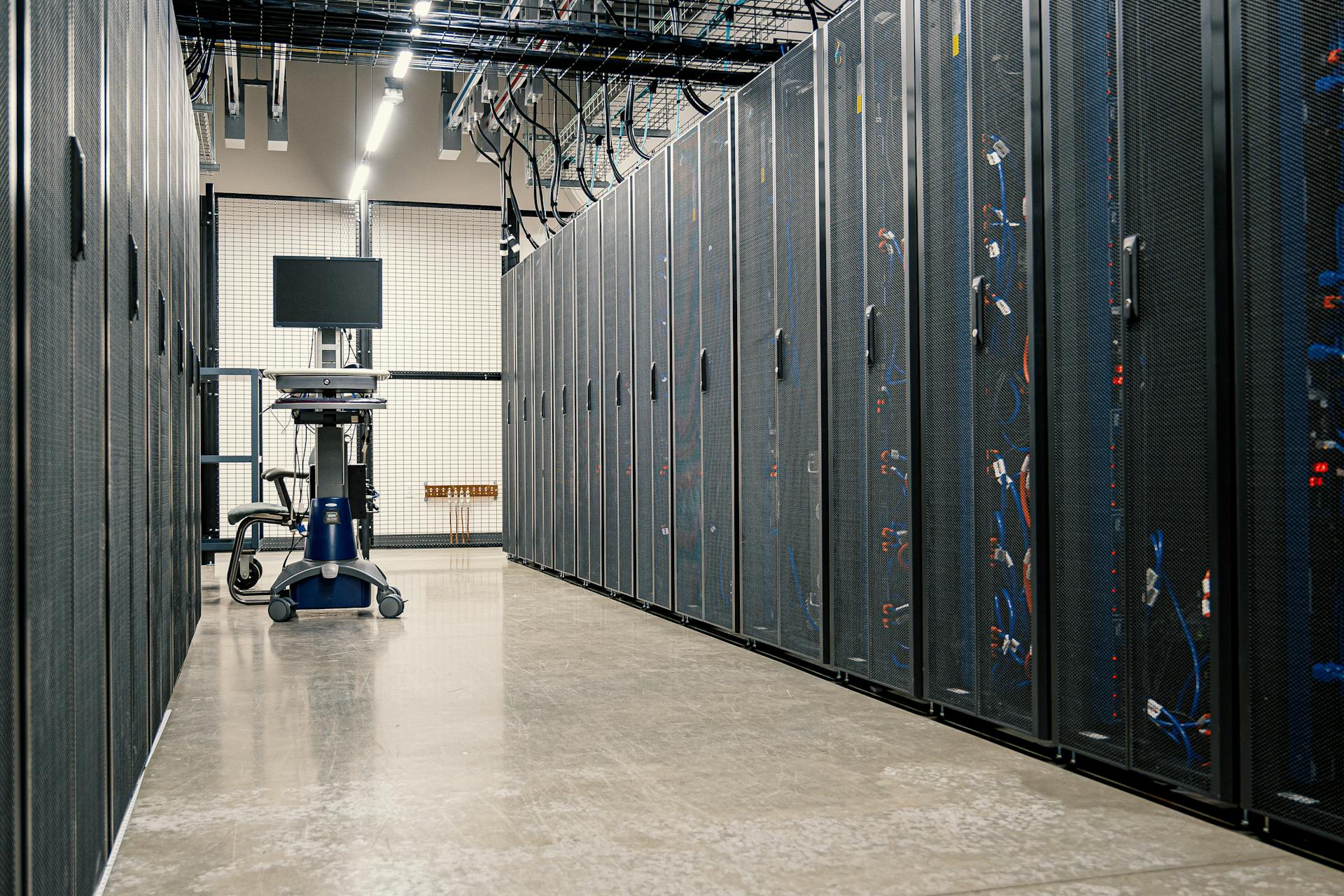
However, the physical demands of AI are reshaping the data centre floor, necessitating more compact AI clusters and redesigned white space in many facilities. Uptime notes that average server rack power densities are rising slowly, driven by greater adoption of racks in the 10 kW to 30 kW range. While few facilities currently exceed 30 kW and extreme densities remain rare, the trajectory points toward increasingly complex thermal and power requirements.
Resilience is the new sustainability
The interplay between efficiency and reliability is becoming starker. Uptime Institute reports that impactful data centre outages — those significant enough to be recorded — are gradually becoming less frequent per site.
Despite this progress, 50 per cent of data centre operators reported experiencing at least one impactful outage at their facility over the past three years. Crucially, one in 10 outages still results in serious or severe disruption.
The threats to uptime are evolving. Ageing grid infrastructure, extreme weather events, and rapidly increasing workload demands — including those driven by AI — are placing new stresses on power systems. In this volatile environment, accurate sustainability metrics are no longer just compliance boxes to tick; they are essential tools for resilience planning.
The data suggests the easy phase of “green” is over. The next phase will be harder: re-engineering legacy infrastructure, measuring what matters, and making sure that the AI boom does not lock in another decade of flatlined efficiency.
- These challenges — from flatlining efficiency to the demands of AI workloads — will be just some of the many topics discussed by the industry’s most influential business executives at the upcoming Manchester Edge & Digital Infrastructure Summit, to be held Thursday, April 2nd, 09:30 – 17:00 at No.1 Circle Square, Manchester. Click here to register.