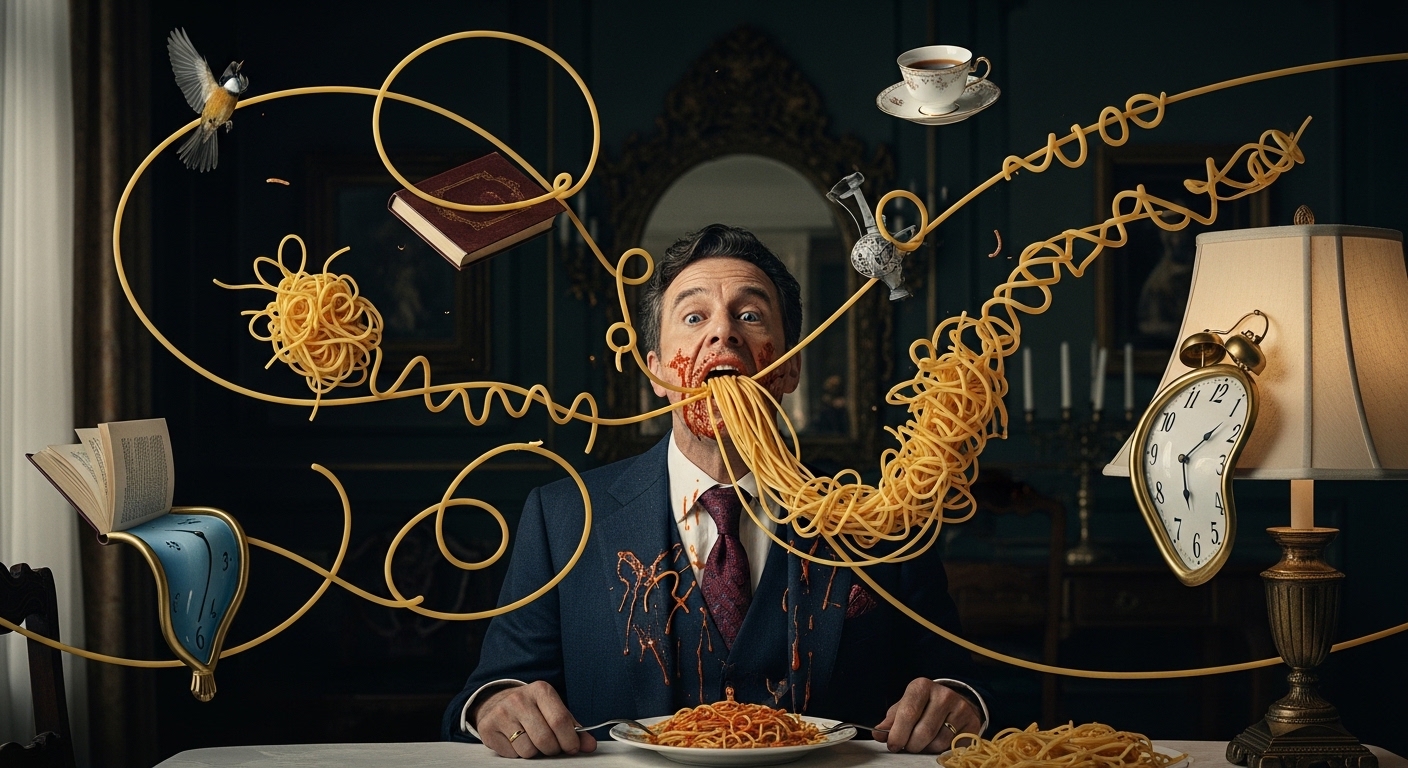

Wading through a sea of low-quality, AI-generated content on platforms like YouTube, Reddit, or TikTok isn’t just annoying — it is actively damaging the digital creator economy.
According to a new study from the University of Florida, unleashing generative artificial intelligence on creative endeavours has allowed novices to flood the market with barely acceptable “AI slop”. This massive influx of middling content overwhelms consumers and congests platform recommendation systems, making it incredibly difficult for professional artists and writers to stand out from the noise.
“Now there is a flood of relatively low-quality content,” explained Dr. Tianxin Zou, a professor of marketing at the UF Warrington College of Business and co-author of the new report. “Because the quantity is so large, it congests the recommendation systems, so it gets harder to encounter the truly high-quality content”.
Breaking the algorithm
Using economic modelling, the researchers — who recently published their findings in the Journal of Marketing Research — explored how content marketplaces shift as AI tools improve.
Zou, alongside collaborators Dr. Zijun Shi of Hong Kong University of Science and Technology and Dr. Yue Wu of the University of Pittsburgh, found that when AI content remains in this middling “slop” phase, it harms both consumers and professionals by making it significantly harder to find content actually worth consuming.
To combat this, the researchers argue that social media platforms would be much better served by clearly labelling AI-generated posts.
“If consumers can clearly identify what content is created by the professionals, then there wouldn’t be this problem because then consumers could just go to them,” Zou noted. This level of transparency makes it easier for consumers to decide what to engage with, preventing them from giving up on a platform entirely out of frustration.
Silver lining for professionals
However, the study also offers a hopeful outlook. As generative AI tools inevitably evolve from producing “slop” to expert-level material, consumers will gain access to increasingly better content. Furthermore, professional creators stand to benefit tremendously if they are willing to adapt.
While we may currently still be in the “slop phase” for artistic endeavours like video production, the researchers advise that professional artists must learn to integrate generative AI into their workflows to elevate their already high-quality work to the next level.
“For professionals, the best thing for them to do is learn to use generative AI and combine it into their workflow,” Zou said. “At the same time, they have to pay attention to whether consumers like the way they incorporate generative AI.”



