
For years, many academics have largely overlooked Wikipedia. However, a stark new study warns that scientists must actively edit the platform if they want their research to remain visible and accurate in the age of artificial intelligence.
According to research published in the journal Anatomical Sciences Education, scientific organisations can significantly improve public access to high-quality information by engaging with Wikipedia in structured ways.
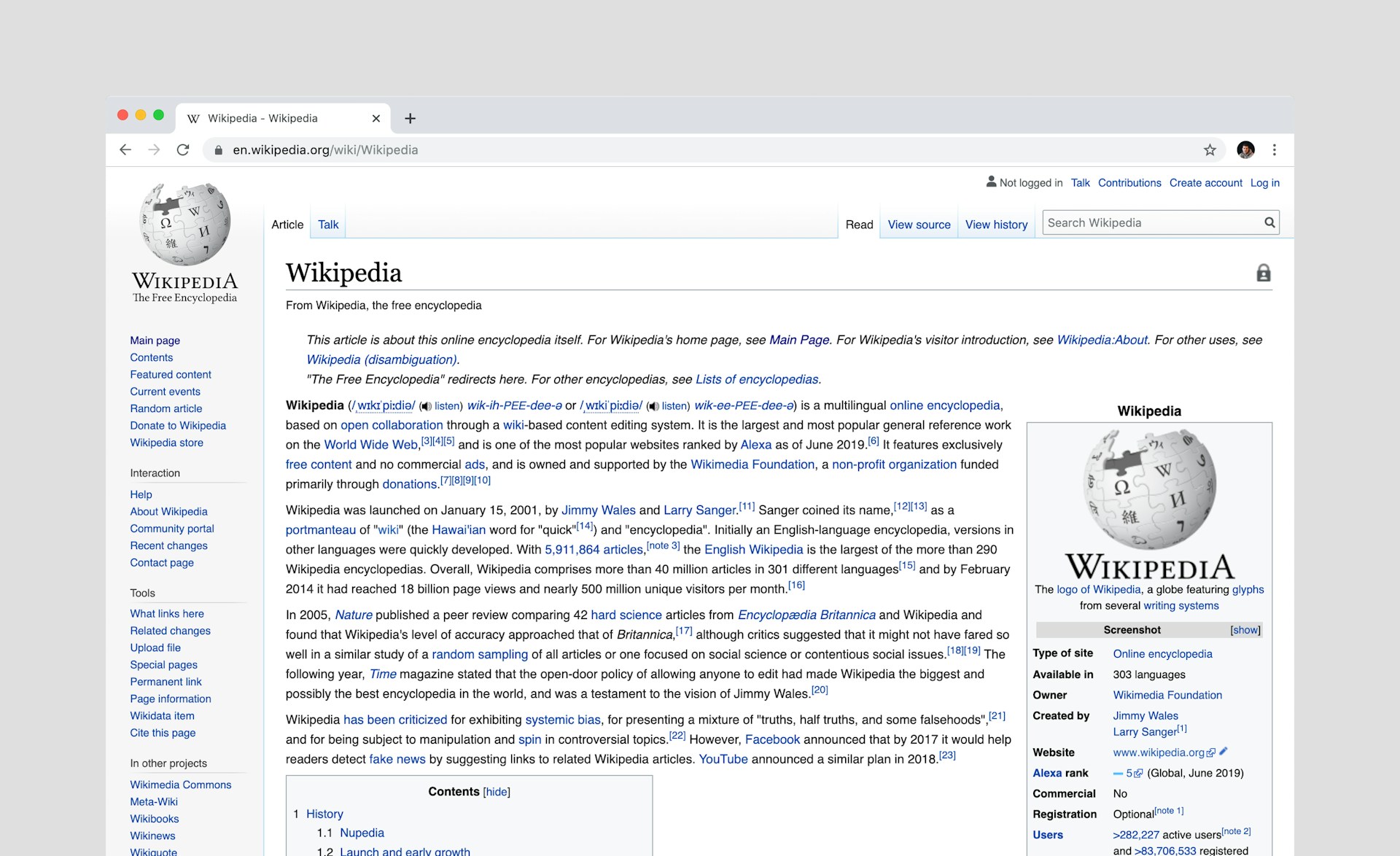
The study stresses that the open-source platform is not merely a public reading resource, but an increasingly influential foundational data stream for modern search engines and AI systems.
A digital blind spot
To demonstrate this, researchers audited the Wikipedia page of the American Association for Anatomy (AAA), a leading scientific society that shapes global anatomy education and research.
Despite the organisation’s real-world prestige, its public-facing Wikipedia presence was found to be incomplete and underdeveloped. The page was classified merely as a “Stub-class” article, featuring a main body of just 220 words, poor structure, and limited references.
Lead author Dr Mike Pascoe, an associate professor at the University of Colorado Anschutz, explained that these digital gaps are becoming increasingly problematic.
“Wikipedia is the world’s most accessed encyclopedia, yet many scientific organisations underestimate how they appear on the platform,” Dr Pascoe said. “That matters more than ever, not just for public understanding, but for how information is surfaced through search and AI.”
Shaping the information
Using strict science communication principles and Wikipedia’s editorial standards, Dr Pascoe executed a comprehensive overhaul of the AAA page. He added well-sourced content detailing the organisation’s mission, governance, publications, awards, and meetings.
Following his intervention, the page was officially upgraded to a “C-class” article. Its main text ballooned from roughly 220 words to over 3,100 words (approximately 3,900 in total), and it gained vital structural elements, such as an infobox and numerous high-quality external links.
To evaluate the impact, the study surveyed stakeholders, including AAA members, anatomists, and students. Respondents reported high levels of perceived trust, credibility, and educational usefulness regarding the revised page.
“Many people assume Wikipedia is unregulated or lacks oversight, but that couldn’t be further from the truth,” Dr Pascoe noted. “There are strong editorial standards and quality assessment frameworks in place. The question is whether experts are actively engaging in shaping the information.”
Dr Pascoe concluded that the findings highlight a broader shift in how scientific information is discovered, urging researchers to take immediate ownership of their digital footprints.
“If academics care about public scholarship, they should care about Wikipedia,” he warned. “This is a direct way to ensure that accurate, accessible information reaches the public, and increasingly, the AI systems that mediate knowledge.”