
Australian researchers have proven for the first time that bacteria essential for human health can survive the extreme forces of rocket launch, weightlessness and atmospheric re-entry.
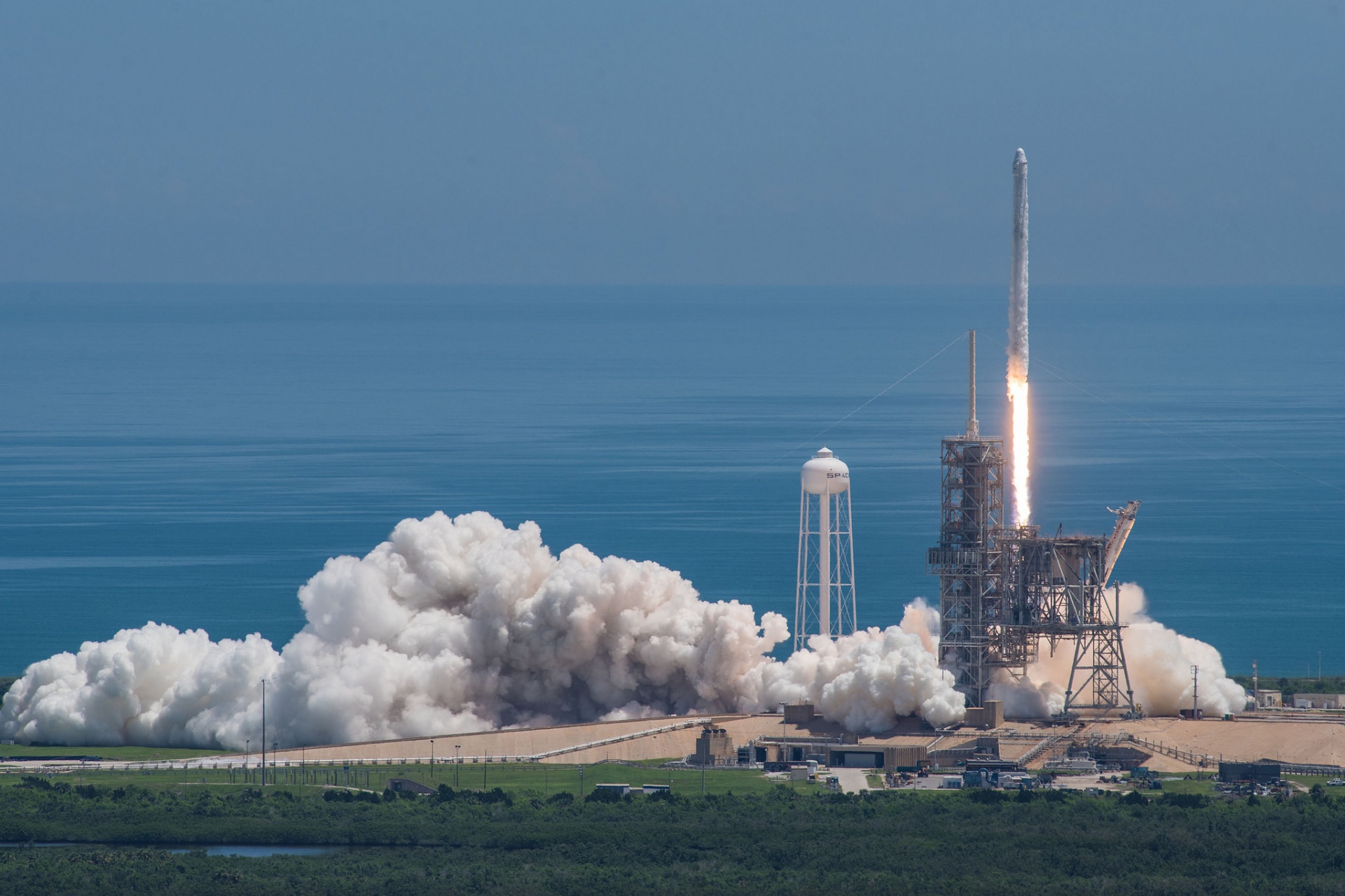
The breakthrough study by RMIT University tested Bacillus subtilis spores during an actual space mission, subjecting them to 13 times Earth’s gravity during launch, six minutes of microgravity at 260 kilometres altitude, and crushing 30g deceleration forces whilst spinning 220 times per second during re-entry.
The bacteria showed no structural changes and retained full growth capability after the flight, proving microorganisms critical for immune system support, gut health and blood circulation can endure space travel conditions.
“Our research showed an important type of bacteria for our health can withstand rapid gravity changes, acceleration and deacceleration,” said Distinguished Professor Elena Ivanova from RMIT University.
The findings address crucial concerns for future Mars missions, where maintaining astronaut health during multi-decade journeys will require preserving beneficial bacteria that sustain human life. Space agencies are planning crewed Mars missions within decades, but previous uncertainty about microbial survival threatened the viability of long-duration space colonies.
The team launched bacterial spores aboard a Swedish Space Corporation sounding rocket using custom 3D-printed holders developed with space technology firm ResearchSat and drug delivery company Numedico Technologies.
Associate Professor Gail Iles said the research provides essential data for designing life support systems. “This research enhances our understanding of how life can endure harsh conditions, providing valuable insights for future missions to Mars and beyond,” she said.
The study also opens terrestrial applications in biotechnology and medicine. “Potential applications of this research extend far beyond space exploration,” Ivanova noted, highlighting possibilities for developing new antibacterial treatments and combating antibiotic-resistant bacteria.
The research could inform life-detection missions on other planets by establishing survival benchmarks for microorganisms in previously uninhabitable environments.
The team is now seeking funding to expand microgravity life sciences research, potentially improving drug delivery, discovery and chemistry processes.



