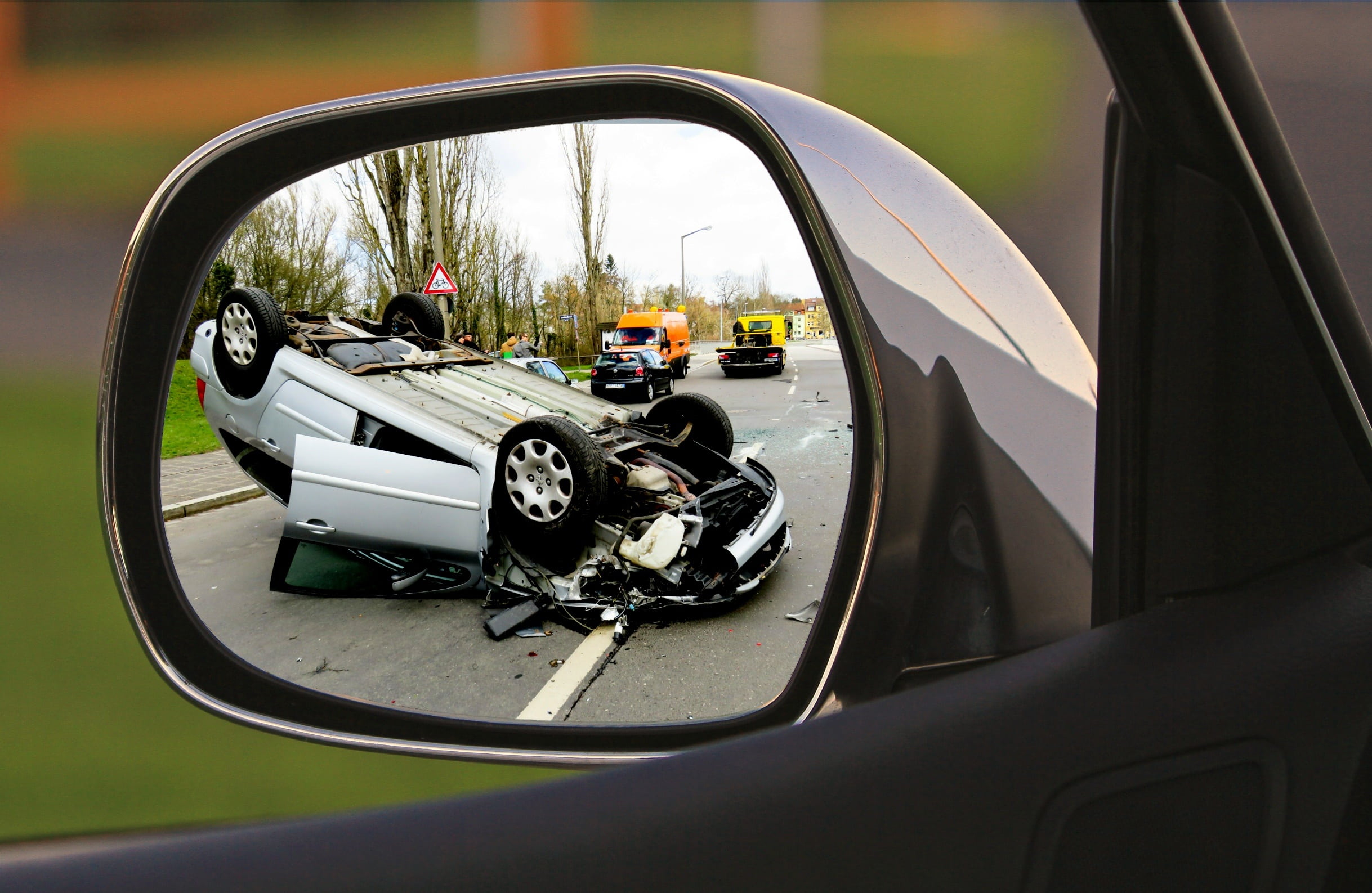

Johns Hopkins University researchers have developed an AI tool that can identify risk factors contributing to car crashes and predict where future incidents will occur across the United States.
The tool, called SafeTraffic Copilot, aims to reduce rising road fatalities and injuries by providing traffic engineers with both crash analyses and predictions. The work is published in Nature Communications.
SafeTraffic Copilot uses large language models trained on text descriptions of road conditions, numerical data such as blood alcohol levels, satellite images and on-site photography. The model evaluates both individual and combined risk factors to understand how different elements interact to influence crashes.
The system includes a continuous learning loop that improves prediction accuracy as more crash data is entered. The researchers can quantify the trustworthiness of each prediction, stating, for example, that a given forecast will be 70 per cent accurate in real-world scenarios.
“By reframing crash prediction as a reasoning task and using LLMs to integrate written and visual data, the stakeholders can move from coarse, aggregate statistics, to a fine-tuned understanding of what causes specific crashes,” said senior author Hao (Frank) Yang, a professor of civil and systems engineering.
The model is designed as a copilot for human decision-making rather than a replacement. “Rather than replacing humans, LLMs should serve as copilots—processing information, identifying patterns, and quantifying risks—while humans remain the final decision-makers,” Yang said.
The team plans to continue researching how AI models can be used responsibly in high-stakes settings. Study authors include Hongru Du, assistant professor at the University of Virginia, and Johns Hopkins doctoral candidates Yang Zhao, Pu Wang and Yibo Zhao.