
Wading into questions of faith, purpose, and mortality is usually left to chaplains or therapists. But a new paper argues that neurologists must break a long-standing medical taboo and start talking to their patients about spirituality.
People living with severe neurological diseases like Parkinson’s or dementia face a devastating physical decline, but they also grapple with profound questions about their identity. However, the physicians best positioned to address these existential concerns often lack the training and tools to do so.
Published in the journal Neurology Clinical Practice, the new paper by researchers from UCLA Health, the University of Colorado, Harvard Medical School, and Brown University argues that spiritual assessment must become a routine part of neurological care.
“Neurologic diseases attack the very things that define who we are: our memory, our movement, our ability to communicate,” said lead author Dr Indu Subramanian, a movement disorders neurologist at the David Geffen School of Medicine at UCLA. “In that context, a patient’s spirituality isn’t peripheral to their medical care. It’s often central to how they cope, find meaning and make decisions about treatment.”
The communication gap
Research cited in the study suggests that roughly 60 per cent of American adults actually want their religious or spiritual concerns acknowledged in a medical setting. Yet studies consistently show that clinicians, including neurologists, are reluctant to bring up the subject due to personal discomfort, strict time constraints, and limited training.
The authors warn that this unaddressed spiritual distress is directly associated with a poorer quality of life for patients with serious illnesses. Conversely, providing spiritual support is linked to stronger patient-clinician relationships, better coping mechanisms, and improved alignment around treatment goals.
To address this gap, the paper advocates an expanded “biopsychosocial-spiritual” model of care that recognises spirituality as a distinct and measurable dimension of human health alongside physical, psychological, and social factors.
Sensitive conversations
Dr Subramanian emphasised that neurologists do not need to become spiritual counsellors. Instead, they should act as “spiritual generalists” who can identify a patient’s needs, validate their beliefs, and make appropriate referrals to chaplains, psychotherapists, or community faith leaders.
The paper offers practical, time-efficient tools for clinicians to use, including:
- The two-minute screen: Simply asking whether spirituality or faith is important to a patient when considering their health, and whether they would like someone to speak with about those concerns.
- Open-ended questions: Using broader, less direct prompts like, “What do I need to know about you as a person to give you the best care possible?” or “From where do you draw your strength?”
- The FICA framework: A structured tool designed to take a more detailed spiritual history, standing for Faith, Importance, Community, and Address.
- Active listening: Paying close attention to phrases that signal unaddressed spiritual distress, such as “Why is this happening to me?” or “I’ve lost touch with my faith since this diagnosis.”
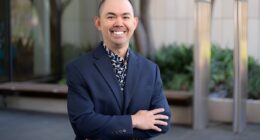
For patients navigating an erosion of their memory and identity, faith can be a critical anchor. Kirk Hall, a patient living with Parkinson’s disease and a co-author of the paper, noted that his beliefs have been central to navigating his diagnosis.
“It has not escaped me that this is a gift from God, even if I don’t necessarily agree with His choice of gift wrap,” Hall writes. “Our belief that we will be equipped to deal with whatever happens is extremely comforting to us.”
Researchers claim integrating this level of care offers benefits for the doctors, too. They note that spiritual care training is associated with reduced burnout, lower work-related stress, and improved overall well-being among physicians.