
The European Commission has announced a comprehensive strategy to slash digital red tape and establish a “military Schengen” zone, aiming to boost competitiveness as the bloc faces rising defence costs and trade headwinds.
The new “digital omnibus” proposes simplifying rules on artificial intelligence, cybersecurity and data. Central to the plan are European Business Wallets, a unified digital identity tool projected to unlock up to €150 billion in annual savings for businesses by enabling secure cross-border communication and document signing.
Under the proposal, high-risk AI rules will only apply once necessary support tools and standards are available, with the application timeline adjusted to a maximum of 16 months. Targeted amendments to the AI Act will extend simplifications for small and medium-sized enterprises (SMEs), reducing technical documentation requirements to save at least €225 million per year.
To simplify compliance, the omnibus introduces a single-entry point for companies to report cybersecurity incidents under multiple laws, including the NIS2 Directive and GDPR.
Military mobility measures
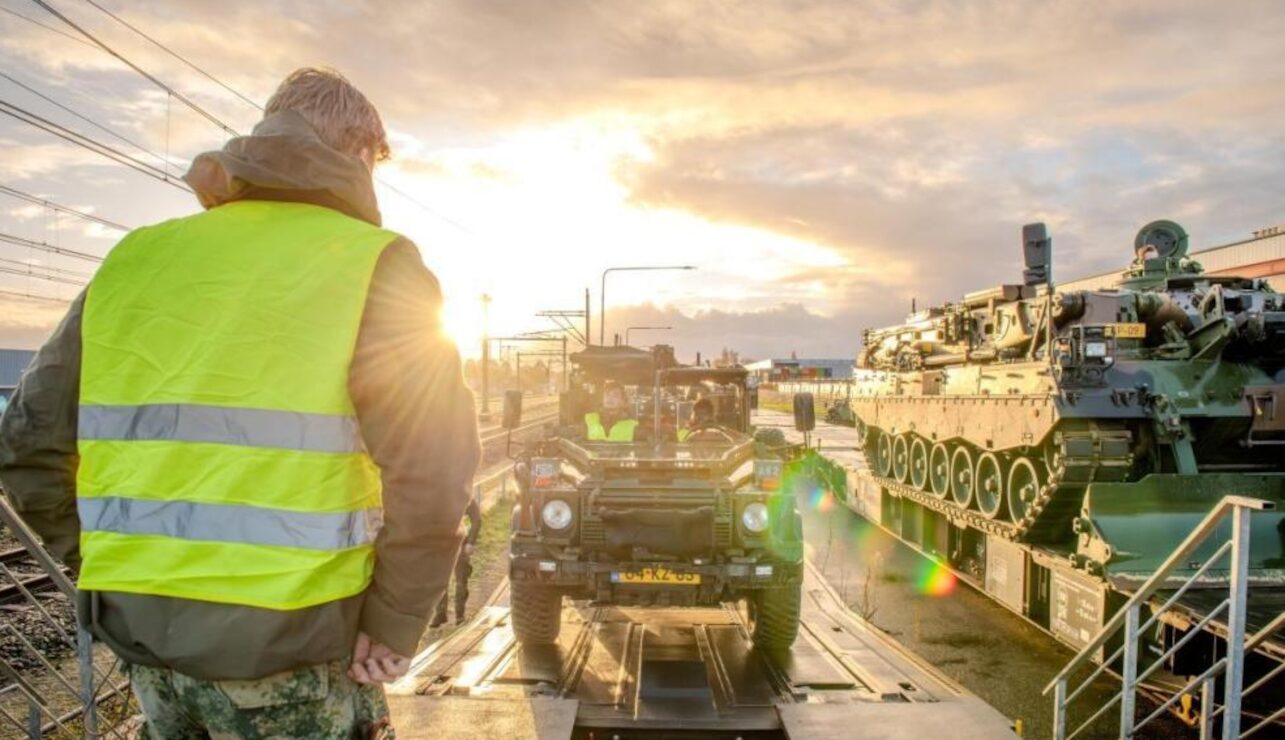
Simultaneously, the Commission presented a roadmap to modernise the defence industry and enhance military mobility across Europe. The measures aim to remove regulatory barriers through a single permission procedure for moving military assets across all 27 Member States, effectively creating a “military Schengen”.
The plan includes upgrading transport infrastructure to dual civilian-military standards and launching a roadmap to unleash “disruptive innovation” by connecting deep tech sectors with defence communities.
The strategic shift aligns with the Autumn 2025 Economic Forecast, which projects moderate growth of 1.4 per cent for both 2025 and 2026. While the economy generated 380,000 jobs in the first half of 2025 and euro area inflation is set to fall to 2.1 per cent, the Commission warns of fiscal pressures.
General government deficits are expected to rise to 3.4 per cent of GDP by 2027, driven partly by defence spending increasing from 1.5 per cent to 2 per cent of GDP. The forecast also notes that while EU exports face higher US tariffs than previously assumed, the bloc maintains a “modest relative advantage” over other global competitors.