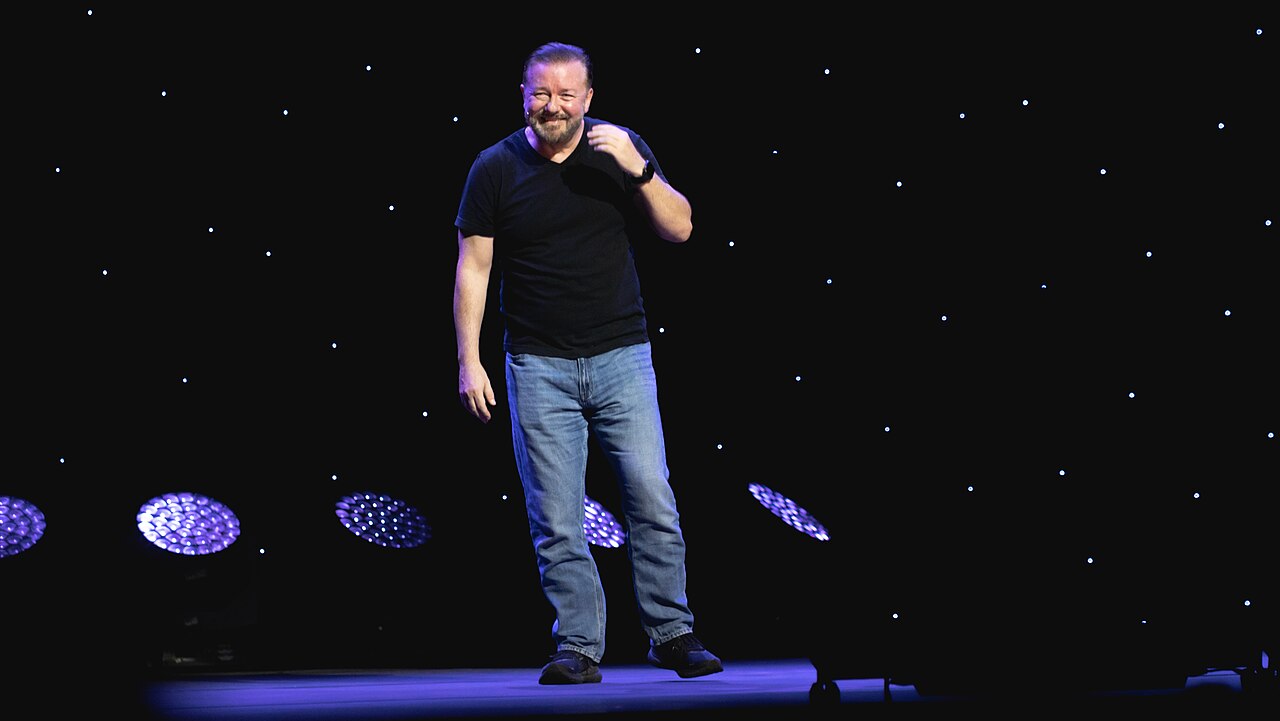

It may feel like a spontaneous conversation, but a new algorithmic analysis of stand-up comedy reveals that top-tier performances are often feats of precision engineering where even the “mistakes” are rehearsed.
New research published today in PNAS Nexus unveils a computational framework that maps the hidden timing structure of live performance, exposing how established comedians repeat nearly 40 per cent of their material verbatim — down to the exact placement of hesitations.
Researchers led by Vanessa C. Pope developed the “Topology Analysis of Matching Sequences” (TAMS) framework to analyse audio recordings from two professional stand-up tours in the UK.
By algorithmically detecting repeated material and mapping its timing, the team visualised the invisible architecture of a joke, showing how a show evolves from rough ideas into a polished product over months of touring.
Planning a laugh
The study contrasted an established comedian with a mature show against an emerging artist developing new material.
The difference in structural rigidity was stark. The veteran’s performance was a tight ship, with an average of 39.66 per cent of every show matching exactly to another night’s performance. The emerging comic, by comparison, repeated only 14.22 per cent of their content verbatim.
The algorithm identified “content pillars” — dense sections of tightly timed, repeated material that form the backbone of a set.
These pillars were typically bookended by “performance-specific introductions,” where the comedian riffs on local topics to build rapport before seamlessly sliding into the engineered segments.
Scripted stumbles
The data exposed the artificiality of “spontaneity” and the analysis found that hesitant sounds, stammers and “apparent errors” were used by both comedians as part of their recurring delivery. Far from being accidents, these “scripted stumbles” served as rhythmic tools to manage pacing and audience reaction.
The researchers observed how material “grew” around successful jokes over a seven-month period, solidifying into the “content pillars” that define a mature show.
While the study breaks humour down into data points, the authors argue the method actually underscores the complexity of human performance.
They suggest the TAMS framework could be applied to theatre, dance and music to highlight the “diversity and skill of live artistic performance” at a time when working artists face increasing pressure from generative AI.



