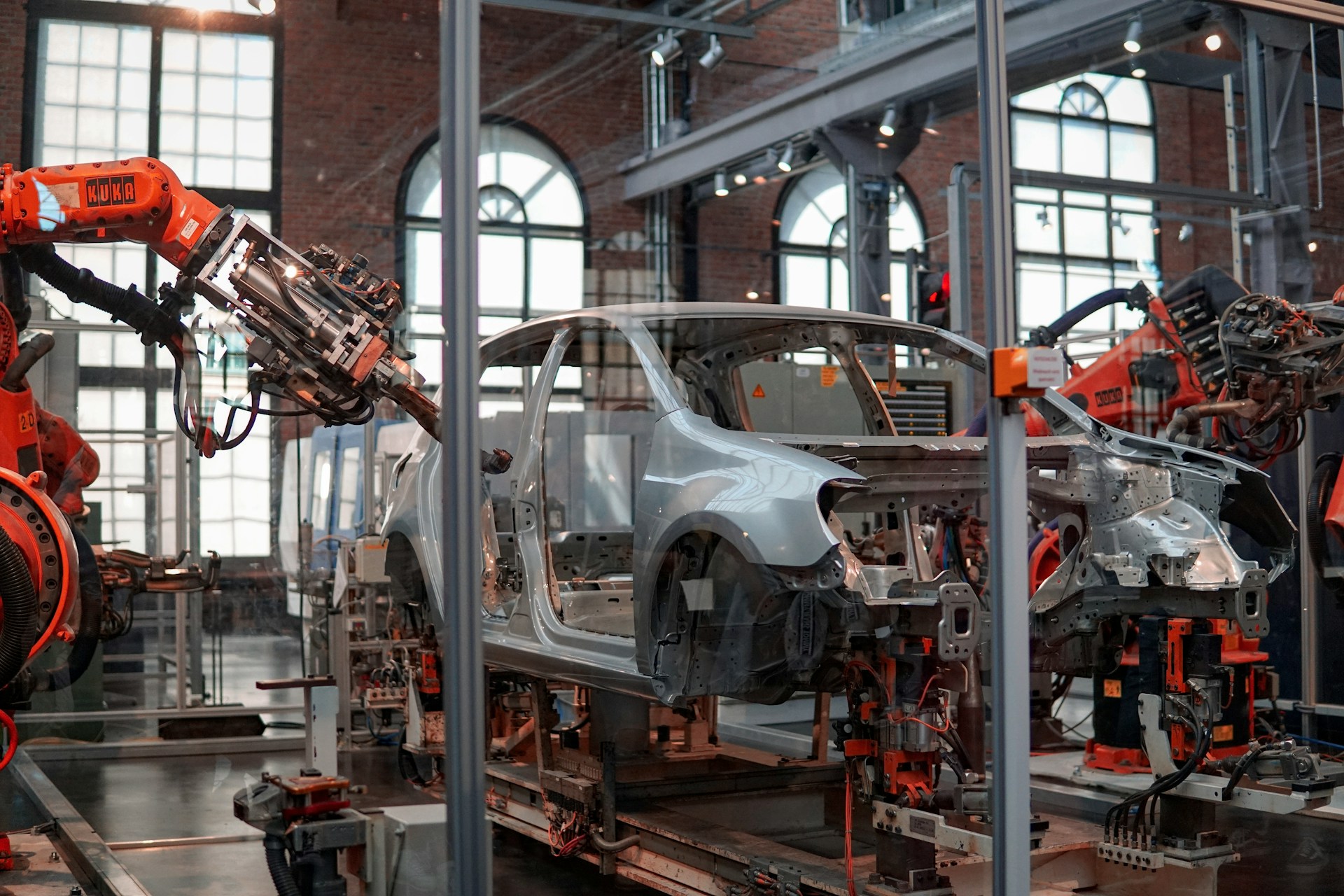

As automotive plants evolve into high-voltage, automated ecosystems, the industry is discovering that “speed-to-market” cannot come at the cost of safety coordination, writes Adam Moore.
We are witnessing one of the most significant transformations in automotive production since the introduction of the assembly line. The transition to Electric Vehicle (EV) and multi-gigawatt-hour battery facilities has sparked a construction boom, characterised by technical volatility and the delivery of multi-billion-pound facilities at unprecedented speed.
But as these facilities grow in complexity, the industry faces a paradox: the more advanced the plant, the more “traditional” the risks to the people building it become.
In the rush to secure global supply chains, the line between “construction” and “commissioning” is dangerously blurred. With massive facilities being delivered in record time, the pressure on the UK’s automotive manufacturing regions is immense. In this high-stakes environment, safety is no longer just a compliance box – it is the foundation of operational continuity.
Stable law, evolving hazards
While the technical landscape of automotive manufacturing is shifting, the legal framework remains anchored in the Health and Safety at Work etc. Act 1974. This primary legislation requires employers to reduce risk “so far as is reasonably practicable”.
The Construction (Design and Management) Regulations 2015 (CDM 2015) provide the structural requirements for these projects. Under CDM 2015, the Client has overall responsibility for making suitable arrangements to manage the project so that construction work can be carried out, so far as is reasonably practicable, without risks to health and safety. This includes making suitable appointments for the Principal Designer and Principal Contractor and ensuring they have the time, resources, and information required to fulfil their roles.
In the context of a gigafactory, these duties are complicated by a new breed of hazards:
- High-voltage infrastructure: Complex commissioning phases where plant may be energised while other work is still being completed nearby, requiring tightly controlled interfaces and strict exclusion zones.
- Automated material handling: The installation of sophisticated robotics creates new interface risks between civil works and M&E (Mechanical and Electrical) services.
- Off-site modularisation: While factory-built modules improve speed, they create complex coordination challenges at the “plug-and-play” interface on the construction site.
The coordination bottleneck
Modern automotive projects typically involve an array of international specialist vendors, all converging on a single site. This creates a coordination bottleneck that can lead to serious delays if not managed through a robust safety framework.
The Health and Safety Executive (HSE) reports that the annual cost of workplace injury and new cases of work-related ill health is estimated at £22.9 billion. In a sector where “time-to-market” is everything, the human and financial costs of a safety failure – ranging from disrupted operations to regulatory intervention – are risks no developer can afford.
Estimates suggest that 40.1 million working days were lost in 2024/25 due to work-related ill health and injury. For the automotive and manufacturing sectors, which have historically seen higher-than-average rates of musculoskeletal disorders, the physical demands of high-density equipment installation remain a primary concern, with such disorders representing a significant portion of work-related ill health.
Technically informed safety leadership
Success in the next generation of automotive manufacturing requires a shift from rigid compliance to technically informed safety leadership. This involves leveraging digital transformation to help eliminate hazards before they reach the shop floor.
Using Building Information Modelling (BIM) for “clash detection” allows designers to identify where M&E services might interfere with safe access or lifting routes. By embedding safety into the digital design process, clients can ensure that “Design-for-Safety” isn’t just a concept, but a practical reality that protects the workforce and the project timeline.
Precision in a high-voltage market
The evolution toward EV and gigafactory production represents a permanent shift in how we conceive industrial space. In this high-stakes environment, where “speed-to-market” often dictates commercial survival, safety cannot be treated as a secondary workstream.
True project certainty in the automotive sector is built on integrating technical expertise and rigorous coordination. By moving beyond simple compliance and embracing a “Design-for-Safety” culture, developers can protect their most valuable asset – their people – while ensuring their facilities are ready to lead the next generation of global transport.
- Adam Moore is Managing Director of QSC Safety, a leading provider of health and safety services with more than three decades of experience supporting complex industrial construction.



