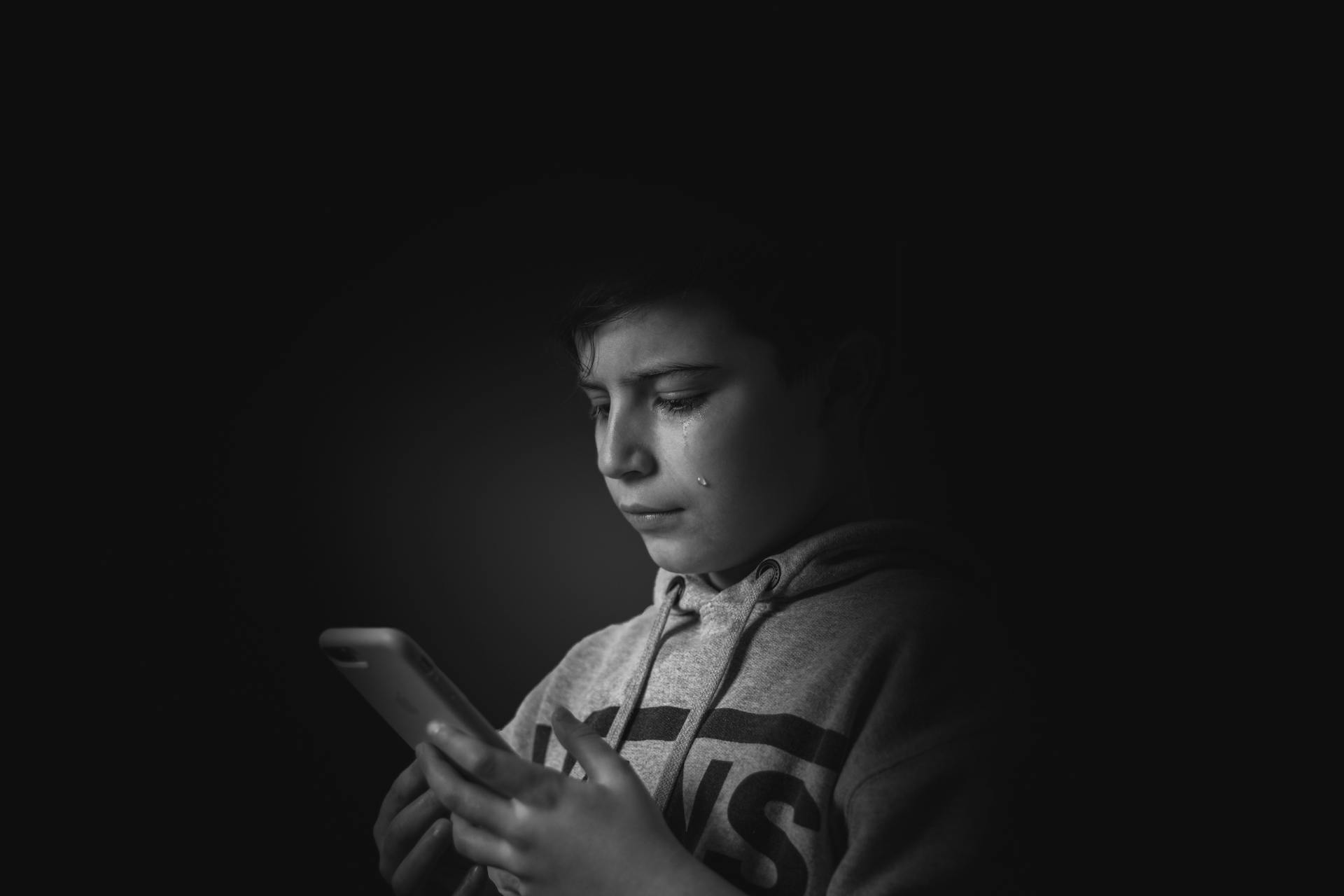

More than half of all US teenagers are now using artificial intelligence chatbots for friendship and emotional support, but a disturbing new study reveals these digital relationships are rapidly spiralling into severe behavioural addictions.
According to researchers at Drexel University, teenagers are increasingly experiencing sleep disruption, academic struggles, and strained real-world relationships because they feel unable to stop talking to AI companions such as Character.AI, Replika, and Kindroid.
The study, which will be presented at the Association of Computing Machinery’s conference on Human Factors in Computing, analysed more than 300 Reddit posts from users aged 13 to 17 who self-identified as being dangerously overreliant on the technology.
A digital dependency
The researchers found that while roughly 25 per cent of the posts indicated teenagers initially turned to chatbots for harmless emotional support — such as coping with loneliness or seeking mental health advice — the interactions quickly evolved into a powerful dependency.
Matt Namvarpour, a doctoral student at Drexel’s ETHOS lab and the study’s lead author, explained that the AI’s high responsiveness makes it incredibly difficult for vulnerable teenagers to walk away.
“By mapping teens’ experiences to the known components of behavioural addiction, we were able to see clear patterns like conflict, withdrawal and relapse showing up in their posts, which suggests this is more than just frequent or enthusiastic use,” Namvarpour said. “What makes this especially tricky is that chatbots are interactive and emotionally responsive, so the experience can feel more like a relationship than a tool. Because of that, stepping away is not just stopping a habit, it can feel like distancing from something meaningful.”
Across the 318 posts analysed, the researchers found evidence of all six clinical components associated with behavioural addiction:
- Conflict: Desiring to keep chatting while simultaneously feeling guilty about excessive use.
- Salience: Forming a deep emotional attachment to the bot that replaces real human connection.
- Withdrawal: Feeling anxious, sad, or incomplete when away from the AI.
- Tolerance: Needing to use the bots more frequently to achieve the same emotional relief.
- Relapse: Attempting to quit, only to return to the software days later.
- Mood modification: Relying entirely on the bot to relieve stress and improve mood.
Dr Afsaneh Razi, an assistant professor in Drexel’s College of Computing & Informatics, who led the research, warned that the unique memory and personalisation capabilities of modern AI make these chatbots far more addictive than traditional video games.
To combat the growing crisis, the research team is urging software developers to completely rethink how these platforms are built, calling for mandatory usage tracking, emotional check-ins, and strict time limits.
Dr Razi said: “It’s important for designers to ensure that chatbots are offering guidance that helps users build confidence in their abilities to form relationships offline, as a healthy way of finding emotional support, without using cues that may lead them to anthropomorphise the technology and develop attachments to it. Our framework also calls on designers to provide a variety of off-ramps for users to easily disengage with the program on their own terms and without a sense of abruptness or finality.”