
Artificial intelligence will fundamentally reconfigure human creativity by transforming it into a form of wish fulfilment that ultimately leaves people feeling empty, according to Austrian writer Clemens J Setz.
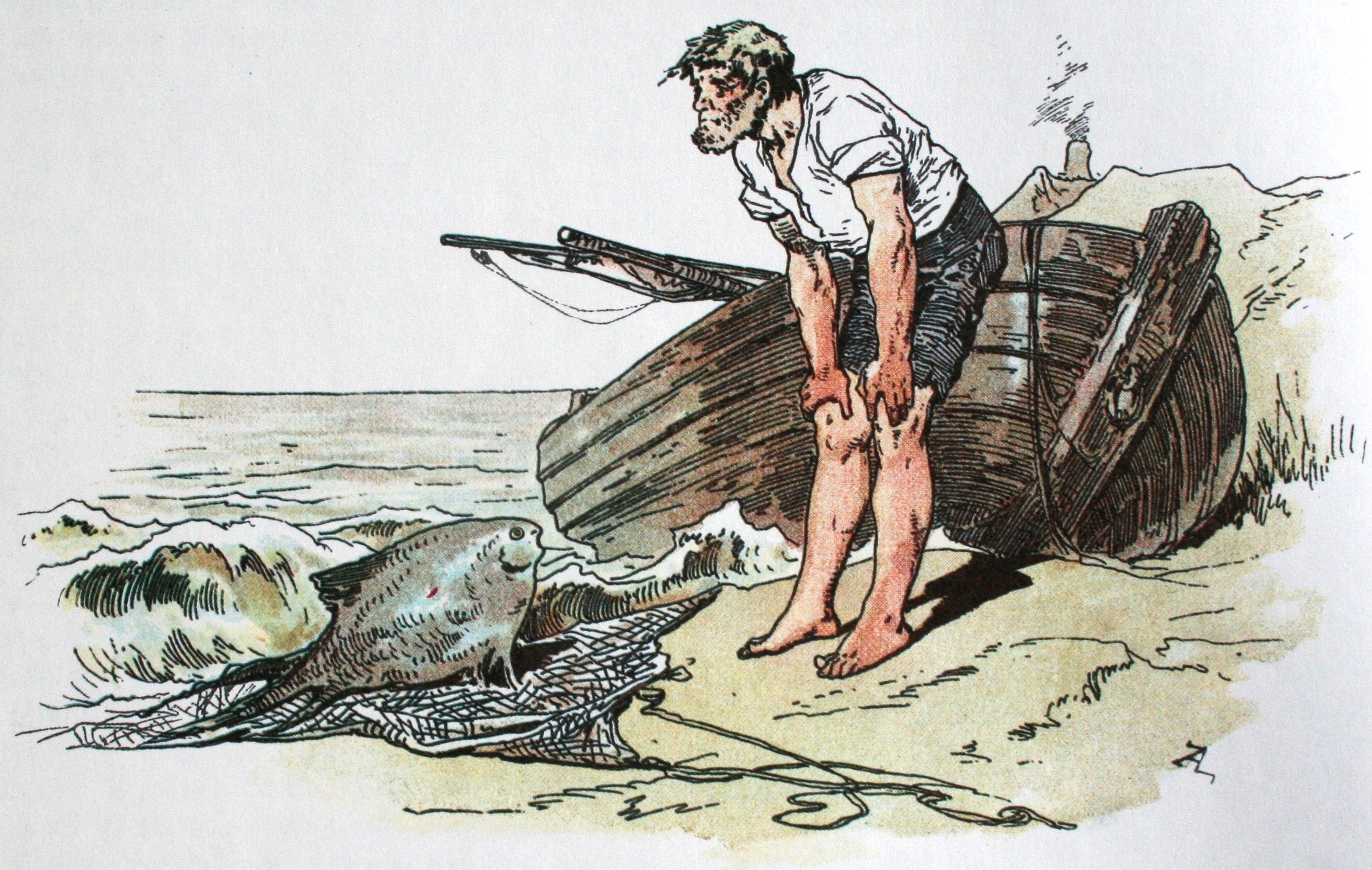
The novelist argues that contemporary society mirrors the German fairytale “The Fisherman and His Wife,” in which a magical fish grants increasingly excessive wishes until divine punishment restores the original impoverished state, reports The Guardian.
Setz contends that young people already possess what he describes as “an enchanted fish in their pocket,” capable of completing homework assignments, generating films and essays, or providing companionship on demand.
This technological capability will reshape both creative consumption and production, fundamentally altering human nature itself. Future generations will delegate tiresome interactions to AI representatives whilst receiving validation that no human partner could provide unconditionally.
“But today everything she discusses with her AI is deemed interesting and remarkable. Finally someone is properly listening, in the way no human partner could do so unconditionally,” Setz writes, describing his hypothetical future character Ilsebill.
However, the novelist predicts that effortless wish fulfilment will ultimately prove unsatisfying, since “things only become interesting and desirable when they require a certain amount of resistance, or an obstacle, to be overcome.”
Setz envisions three possible responses to this emptiness. The first involves decadence, where wealthy individuals pay premium prices for authentic human experiences, similar to consumers who insist on genuine provenance rather than artificial alternatives.
The second path involves underground communities that artificially create difficulties and obstacles, perhaps meeting in secret locations that require queuing simply for the experience of waiting.
The third and most likely scenario centres on guilt, particularly ecological guilt from AI’s resource consumption. Setz suggests individuals will accept personal responsibility for corporate environmental damage, restricting their private freedoms, whilst corporations continue wasteful practices.
This final path represents a loss of personal agency, where fundamental life questions about growth, purpose and legacy become predetermined rather than individually determined.
The essay positions traditional European fairy tales as warnings against unwise wishes, designed to guide individual development and maturation processes that AI-dependent societies may overlook.