
Corporate executives seeking to transform their company image might benefit from adopting the strategic thinking of Korean pop music producers, according to new academic research.
A study published in the Strategic Management Journal reveals that K-pop agencies use distinctly different brand transformation strategies based on their market status, offering lessons for businesses considering repositioning efforts.
Researchers analysed 680 songs by 122 idol groups from 76 agencies between 2004 and 2016, discovering that middle-tier agencies chase market trends whilst industry leaders take bold creative risks to establish unique identities.
The findings suggest that corporate status should determine whether companies follow competitor strategies or forge entirely new market directions when updating their brand positioning.
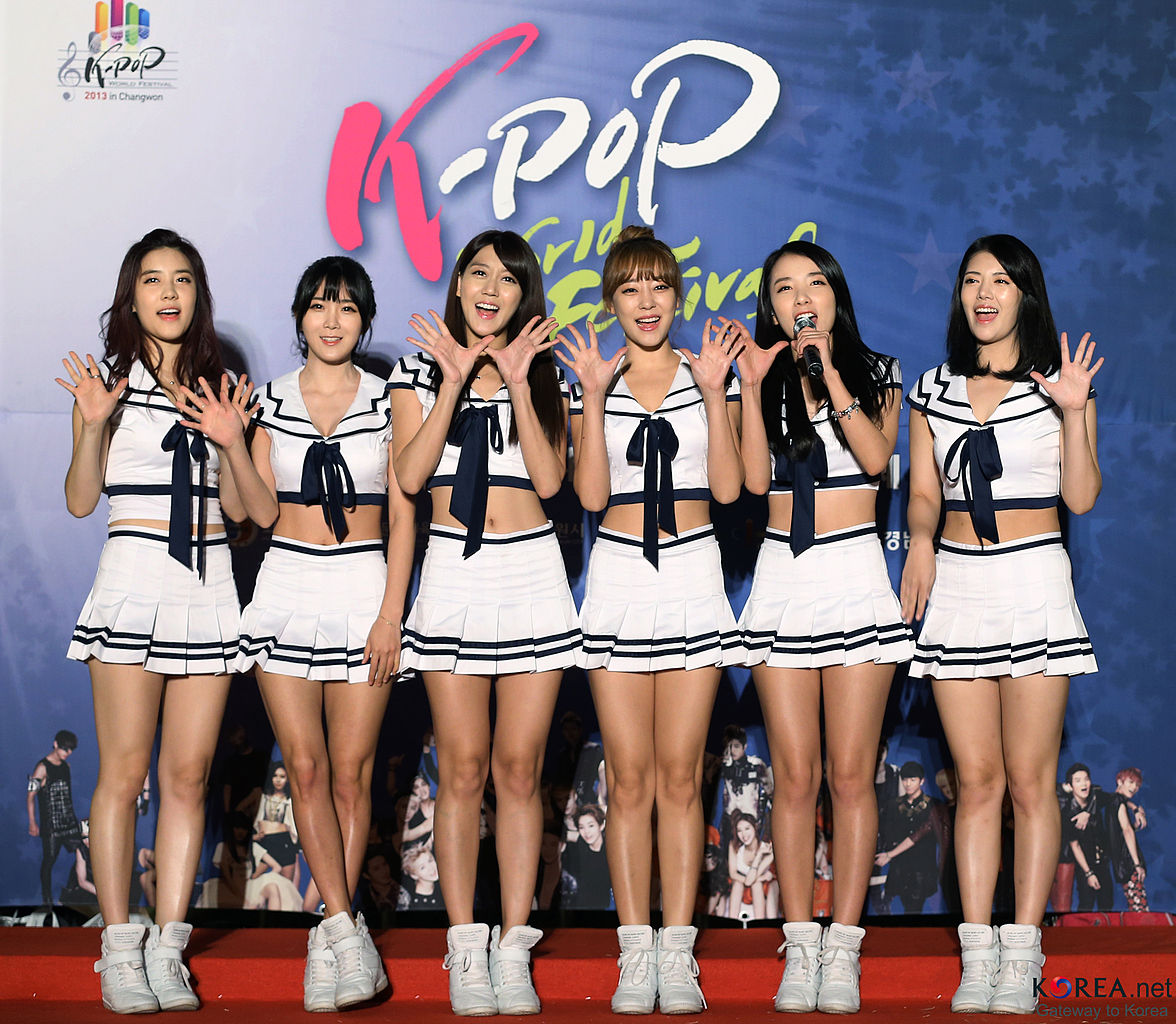
“The interesting thing about K-pop is that the producers, the agencies, they are the ones manufacturing groups and the groups themselves don’t have much control over how they’re being portrayed,” explained Heeyon Kim from Cornell University. “They’re given songs, they’re given outfits, they’re given a role to play.”
The research team from Cornell University, Xi’an Jiaotong-Liverpool University and Hong Kong Polytechnic University stratified agencies by status based on industry awards, then measured concept changes through music video analysis.
Middle-status agencies demonstrated the strongest tendency to follow dominant market concepts, positioning themselves to capture mainstream attention through proven approaches. This behaviour mirrors mid-tier companies that adopt successful competitor strategies rather than innovating independently.
High-status agencies pursued fewer short-term adjustments but implemented more radical transformations when changes occurred, suggesting established market leaders can afford experimental approaches that smaller players cannot risk.
The research identified a crucial advantage for premium brands: customer loyalty that transcends specific product offerings. High-status agencies benefit from devoted fan bases that support creative experiments regardless of initial reception.
Kim illustrated this dynamic through personal experience: “When I was a teenager, I was a groupie for a K pop band. I remember myself as a fan: I didn’t care what kind of music was released, I was going to buy all the CDs and merchandise. So the fans of high-status agencies’ groups, they just support their idols no matter what. The high-status agencies then are able to experiment to figure out what will get a broader audience’s support.”
This loyalty enables industry leaders to test innovative concepts without losing core customers, potentially expanding their market reach through successful experiments.
The study also revealed that social expectations limit transformation flexibility, particularly affecting female idol groups compared to male performers, suggesting that companies must consider cultural constraints when planning brand evolution strategies.