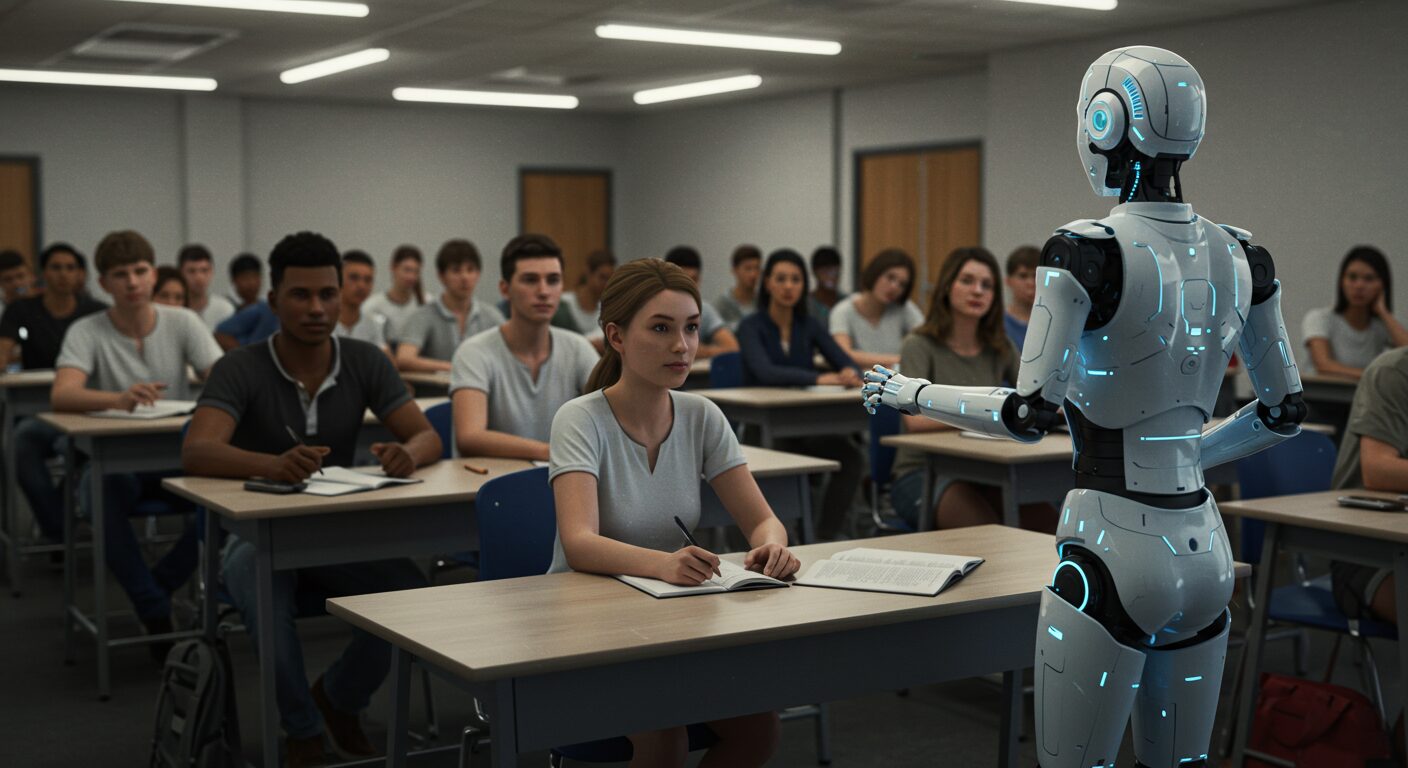

Scholars have outlined a comprehensive rescue plan for educational research, arguing that artificial intelligence technology combined with methodological reforms can revive a field struggling to demonstrate real-world impact.
University of Kansas academics have identified multiple strategies to address systemic problems that have prevented education research from effectively influencing policy and practice, despite producing an estimated 140,000 papers annually.
The proposed solutions centre on embracing AI as cognitive infrastructure whilst implementing fundamental changes to research approaches, moving beyond traditional limitations that have fragmented the academic community for decades.
Yong Zhao, Foundation Distinguished Professor of Education, advocated treating AI as an additional cognitive layer rather than a replacement technology. He emphasised the need to abandon outdated research paradigms and explore new methodological possibilities, acknowledging both risks and opportunities in AI integration.
The researchers advocate for methodological pluralism to end longstanding conflicts between quantitative and qualitative research traditions. Their analysis suggests that these “paradigm wars” have hindered meaningful collaboration and synthesis across research approaches, thereby impeding the advancement of educational knowledge.
Key reform measures include implementing participatory research models that involve teachers and students as co-investigators, utilising AI tools to democratise research processes, and adopting complexity science approaches rather than traditional linear causality methods.
The scholars propose fundamental shifts in research focus, moving from studying typical outcomes to exploring educational possibilities. They argue this transformation requires embracing speculative, interpretive and imaginative inquiries alongside conventional methodologies.
AI integration offers opportunities for real-time, adaptive research designs that can accommodate rapid technological changes affecting educational contexts. The authors suggest treating students as participants in human-AI collaborative systems rather than independent learners.
Neal Kingston, University Distinguished Professor of Educational Psychology, emphasised the importance of understanding research challenges while positioning AI as a potentially helpful tool, rather than either a threat or a universal solution for improving the effectiveness of educational research.
Additional measures include comprehensive evaluation systems that encompass diverse student development dimensions, context-sensitive research approaches that acknowledge individual learner diversity, and ethical frameworks that address AI implementation inequities.
The proposed transformation aims to create more responsive, inclusive research capable of addressing complex educational challenges in an increasingly AI-integrated world.