
University of Michigan researchers have used artificial intelligence to uncover previously hidden features of early human development by analysing three-dimensional embryo models created from induced pluripotent stem cells.
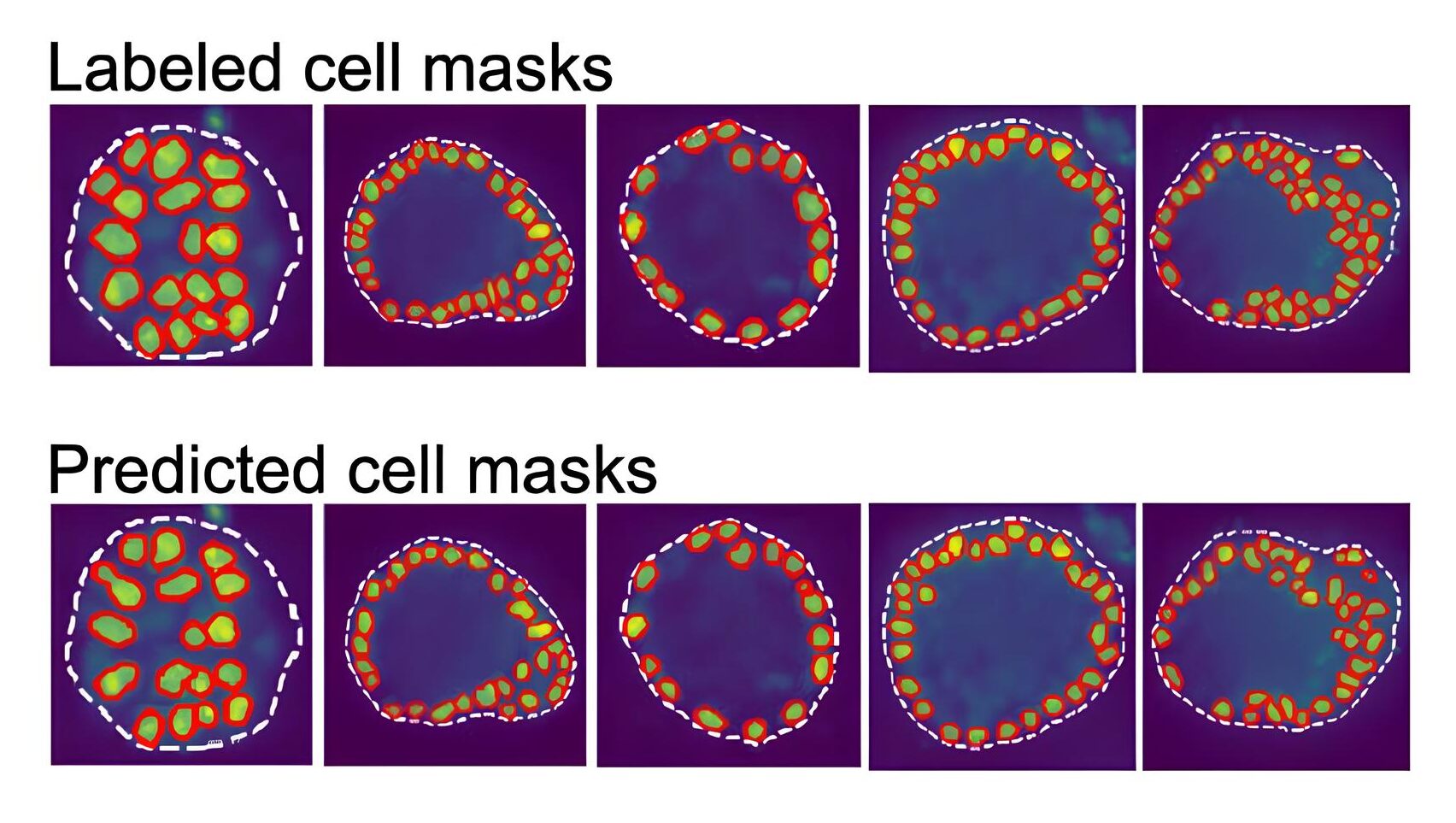
The research team applied AI neural networks to thousands of images collected through confocal fluorescent microscopy, enabling the detection of developmental patterns that human observation might miss in the complex, heterogeneous embryo models.
“We see very different cell types and structures within the culture, so it can be hard to make sense of what we’re seeing,” said Jianping Fu, PhD, of the University of Michigan Medical School, who led the research.
The study, published in Science Advances with graduate student Kejie Chen as the first author, focused on analysing embryoids. These laboratory models mimic the earliest stages of human development by using stem cells that have been modified to become any cell type in the body.
Traditional analysis methods examine samples at specific time points and average changes over time, but the AI approach can identify subtle features embedded within the natural variation of developing embryo models.
“The most is essential developmental features oftentimes can be masked because [the model] is so heterogeneous and what you’re really looking for is embedded within that heterogeneity,” Fu said.
The AI system analyses tissue size, shape and protein marker expression to determine tissue growth and cell differentiation patterns during development, providing a clearer understanding of bifurcation – the decision points where stem cells differentiate into specific cell types.
“AI tools are very powerful and can extract fine features that oftentimes can be overlooked by human eyes,” Fu said.
The methodology builds upon experimental systems developed initially by Fu’s team in 2017, addressing the challenge of studying complex developmental processes in laboratory conditions.
Chen developed the approach after observing AI applications in plant biology research, adapting physics-informed neural networks to analyse embryo development dynamics.
The tool has potential applications for high-throughput screening and understanding how early developmental processes can malfunction, with longer-term possibilities for generating artificial embryoid images to study development under different conditions.



