
Canada, the UK and Germany are actively courting technology workers displaced by President Donald Trump’s decision to impose $100,000 fees on new H-1B visa applications, creating a global competition for skilled talent.
The coordinated effort targets workers who would previously have secured US visas under the programme, which Indians dominate with 283,397 approvals representing 71 per cent of all H-1B beneficiaries in 2024, reports Bloomberg.
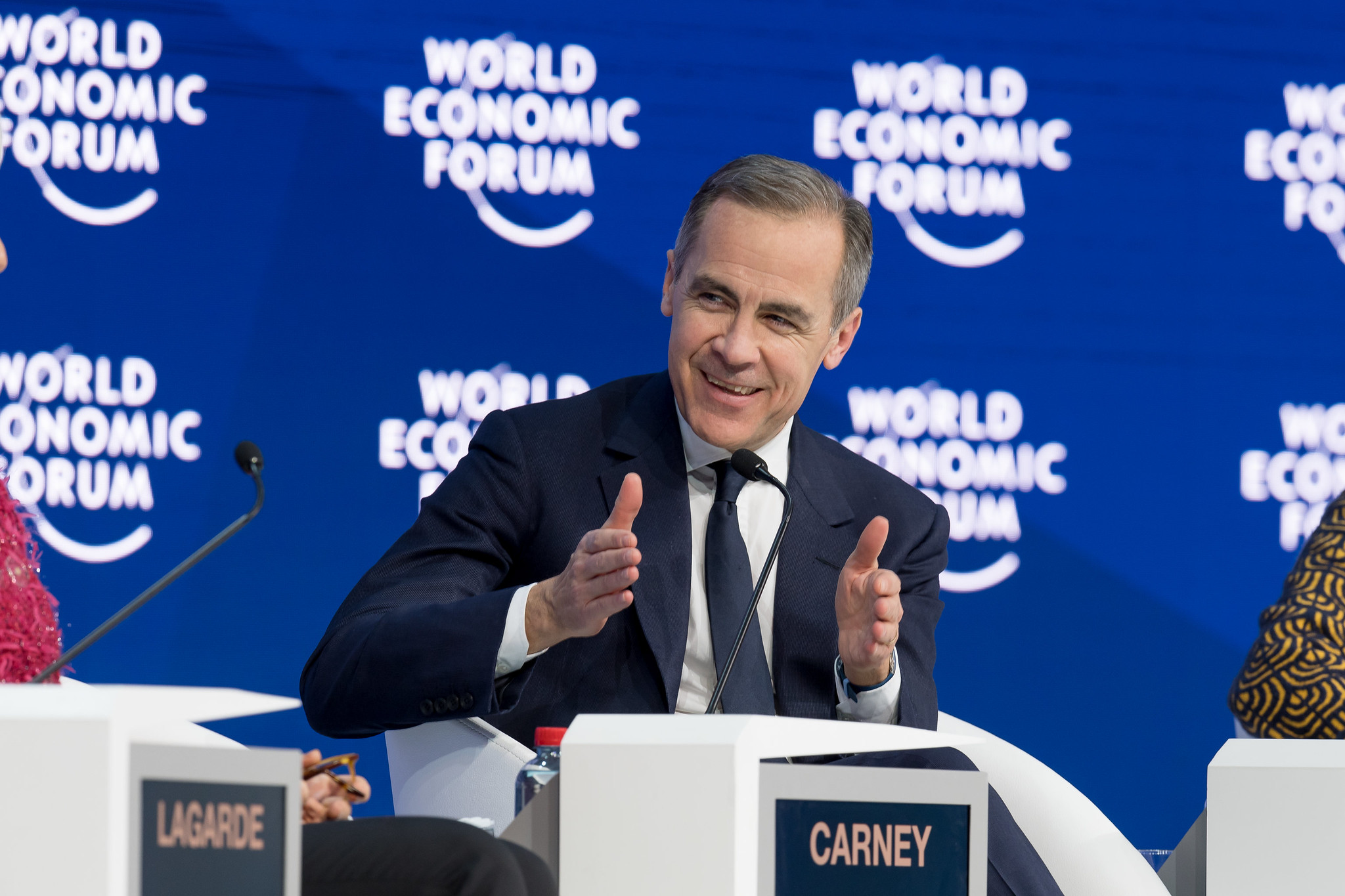
Canadian Prime Minister Mark Carney confirmed his government will develop “a clear offering” to attract displaced tech workers as part of its immigration strategy review. “What is clear is that the opportunity to attract people who previously would’ve got so-called H-1B visas,” Carney told reporters in London.
UK Chancellor of the Exchequer Rachel Reeves announced Britain will expand its global talent and high-potential individual visa routes to capitalise on the disruption. “While President Trump announced late last week that it will make it harder to bring talent to the US, we want to make it easier to bring talent to the UK,” Reeves said.
Philipp Ackermann, Germany’s ambassador to India and Bhutan, directly courted Indian workers through social media, emphasising his country’s migration policy is “reliable, it’s modern and it’s predictable” compared to US volatility. He noted Indians already earn higher salaries than average German workers.
The visa restrictions threaten India’s $280 billion technology services industry, which relies heavily on worker mobility to the US. Trump’s policy adds financial barriers to a programme primarily used by tech companies facing shortages of American professionals with science, mathematics and computer skills.
The UK reinforced its commitment during Revolut’s announcement of a $4 billion investment, creating more than 1,000 jobs, whilst Germany highlighted that Indians comprise 13 per cent of its international students and 280,000 permanent residents.