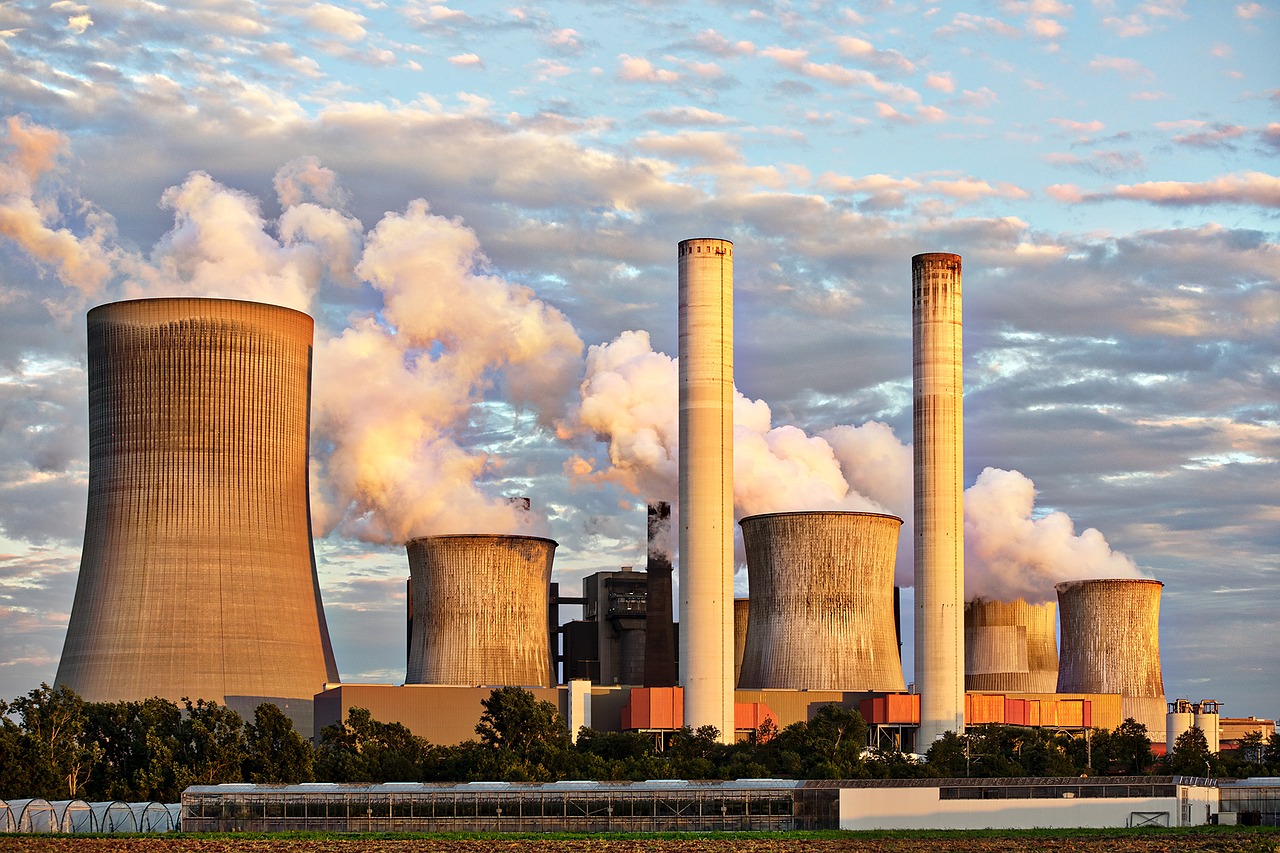

Artificial intelligence data centres are expected to more than double electricity demand by 2030, reaching around 945 terawatt-hours and potentially increasing global carbon emissions by 220 million tons.
An April 2025 International Energy Agency report predicts this massive increase, with the total energy consumption slightly exceeding Japan’s usage, reports MIT News.
Goldman Sachs Research analysis from August 2025 forecasts that about 60 per cent of increasing electricity demands from data centres will be met by burning fossil fuels. In comparison, driving a petrol-powered car for 5,000 miles produces about one ton of carbon dioxide.
However, scientists and engineers at MIT are developing multiple solutions to mitigate AI’s expanding carbon footprint, from improving algorithm efficiency to redesigning data centres entirely.
Vijay Gadepally, senior scientist at MIT Lincoln Laboratory, noted that discussions typically focus on “operational carbon” emissions from processors whilst ignoring “embodied carbon” from constructing data centres. Building these facilities from steel, concrete, air conditioning units and computing hardware consumes enormous amounts of carbon.
Research from the Supercomputing Centre showed that reducing GPU energy consumption to three-tenths normal levels has minimal impact on AI model performance whilst making hardware easier to cool. Gadepally’s group found that about half the electricity used for training AI models is spent achieving the last two or three percentage points in accuracy.
Neil Thompson, director of the FutureTech Research Project at MIT’s Computer Science and Artificial Intelligence Laboratory, found that efficiency gains from new model architectures double every eight or nine months. He coined the term “negaflop” to describe computing operations that don’t need performing due to algorithmic improvements.
Jennifer Turliuk, former practice leader of climate and energy AI at the Martin Trust Center for MIT Entrepreneurship, developed the Net Climate Impact Score framework to help determine AI projects’ net climate impact. She said: “Every day counts. We are on a path where the effects of climate change won’t be fully known until it is too late to do anything about it.”
Researchers are also exploring scheduling AI workloads when more electricity comes from renewable sources and developing long-duration energy storage systems for data centres.



