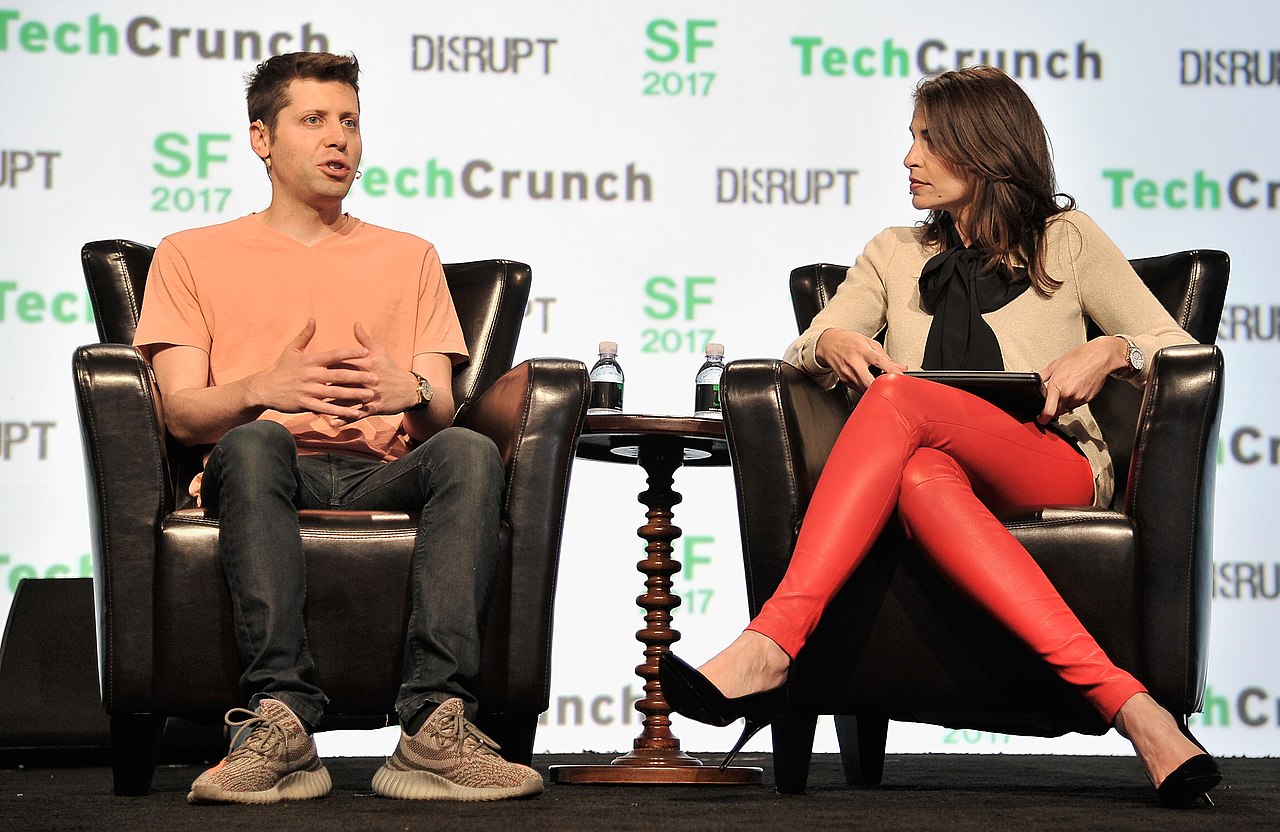
OpenAI researchers are speaking out over the company’s first social media venture, a TikTok-style app called Sora that features AI-generated videos and numerous Sam Altman deepfakes.
Several current and former researchers aired concerns on X about how the launch aligns with OpenAI’s nonprofit mission, reports TechCrunch.
The Sora app creates a feed filled with AI-generated clips that users can generate and share, feeling closer to TikTok or Instagram Reels than ChatGPT’s utility-focused approach. OpenAI describes the platform as built for fun rather than usefulness.
John Hallman, an OpenAI pretraining researcher, expressed mixed feelings: “AI-based feeds are scary. I won’t deny that I felt some concern when I first learned we were releasing Sora 2. That said, I think the team did the absolute best job they possibly could in designing a positive experience.”
Boaz Barak, another OpenAI researcher and Harvard professor, shared similar concerns about the technical achievements versus potential social media pitfalls and deepfake risks.
The launch highlights tensions within OpenAI as the world’s fastest-growing consumer tech company that also operates as a frontier AI lab with a nonprofit charter. Former researcher Rohan Pandey used the moment to promote his startup focused on AI for scientific discovery rather than entertainment.
CEO Sam Altman defended the allocation of resources to social media, writing on X: “We do mostly need the capital for build AI that can do science, and for sure we are focused on AGI with almost all of our research effort. It is also nice to show people cool new tech/products along the way, make them smile, and hopefully make some money given all that compute need.”
The debate comes as regulators scrutinise OpenAI’s transition to for-profit status. California Attorney General Rob Bonta said he is: “particularly concerned with ensuring that the stated safety mission of OpenAI as a nonprofit remains front and center” in restructuring.
OpenAI claims it wants to avoid social media pitfalls, saying concerns about addiction and doomscrolling are “top of mind” and that it won’t optimise for time spent on feed.