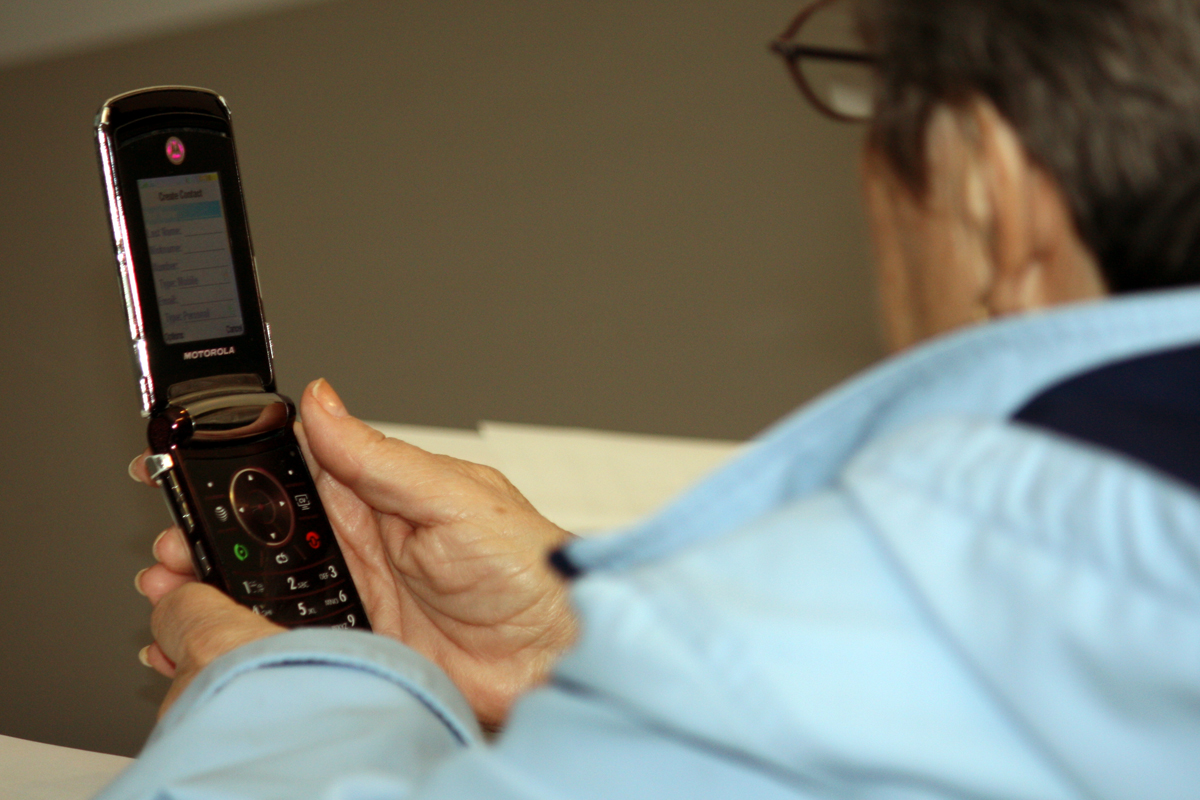

Teenagers and twenty-somethings are abandoning modern technology for flip phones, digital cameras and CDs as they seek to escape screen addiction and regain control over their digital lives.
The trend sees young people deliberately choosing outdated technology despite growing up with smartphones and apps, reports The Wall Street Journal.
Lucy Jackson, a 17-year-old college freshman, uses a basic phone that can barely send texts and relies on paper maps and local cab companies for transport. She joined the Luddite Club, a nonprofit supporting smartphone breaks that now has 26 chapters, nearly all at high schools or colleges.
“There was the 3D real-life version where I was happy, and then there was this 2D world where I got to portray an image of myself,” Jackson said about her social media experience. “It was so fake.”
The movement extends beyond phones. Musicians including Taylor Swift, Sabrina Carpenter and Chappell Roan sell physical media formats like CDs, vinyl and cassettes to younger audiences, with Gen Z artists recently topping Amazon’s CD charts.
Escaping the streaming services
Hunter White, a 25-year-old data engineer, collects CDs from garage sales and thrift shops to escape streaming services. His app Dissonant mails CDs to 350 members based on their taste, building a library of 800 discs.
“People, especially in Gen Z, are just tired of not owning anything,” White said.
Point-and-shoot digital cameras have become particularly popular, with prices ranging from $15 to more than $300. Tumasi Agyapong, a 26-year-old from Chicago, owns 15 digital cameras for their single-purpose functionality without smartphone distractions.
Research supports the trend. A 2023 Harris Poll found 80 per cent of Gen Z respondents felt young people were too dependent on technology, whilst 60 per cent wished they could return to pre-digital times.
“They like technology, but they feel like they’re missing something and want to get a greater sense of control over how they use it,” said Clay Routledge, whose Human Flourishing Lab research team partnered on the survey.