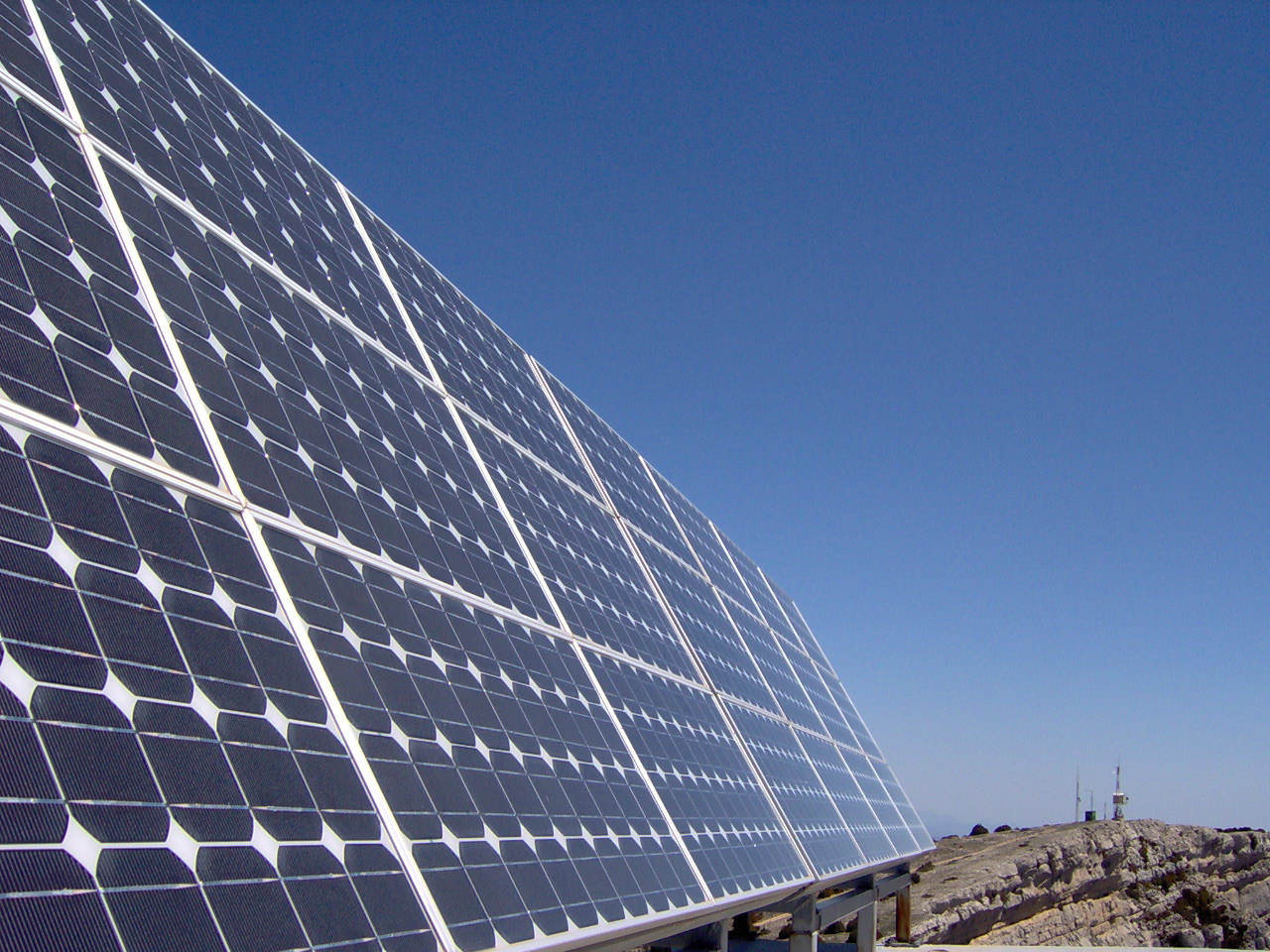

Solar energy is now the world’s cheapest source of power, costing as little as £0.02 to produce one unit in the sunniest countries, making it cheaper than electricity generated from coal, gas or wind, according to a University of Surrey study.
Researchers from Surrey’s Advanced Technology Institute argue that solar photovoltaic technology is now the key driver of the world’s transition to clean, renewable power. The study is published in Energy and Environment Materials.
“Even here in the UK, a country that sits 50 degrees north of the equator, solar is the cheapest option for large-scale energy generation. Globally, the total amount of solar power installed passed 1.5 terawatts in 2024 – twice as much as in 2020 and enough to power hundreds of millions of homes. Simply put, this technology is no longer a moonshot prospect but a foundational part of the resilient, low-carbon energy future that we all want to bring to reality,” said Professor Ravi Silva, co-author of the study and Director of the ATI at the University of Surrey.
The research team found that lithium-ion battery prices have fallen by 89 per cent since 2010, making solar-plus-storage systems as cost-effective as gas power plants. These hybrid setups combine solar panels with batteries to store and release energy when needed, creating a more reliable power source.
The team identified grid congestion as a major challenge, particularly in regions such as California and China where high solar generation has led to wasted energy when supply exceeds demand.
“Connecting growing levels of solar power to electricity networks is now one of the biggest challenges. Smart grids, artificial intelligence forecasting and stronger links between regions will be vital to keep power systems stable as renewable energy use rises,” said Dr Ehsan Rezaee, co-author of the study from the University of Surrey.
Professor Silva added that innovations in materials such as perovskite solar cells could boost energy output by up to 50 per cent without increasing land use, but progress will depend on consistent policy support and international collaboration.