
Snack manufacturer Mondelez International has invested more than $40 million in artificial intelligence technology that reduces marketing content production expenses by 30 to 50 per cent, positioning the company to create television commercials without traditional advertising agencies.
The Chicago-based company developed the generative AI system with IT services firm Accenture, with plans to produce broadcast-ready advertisements by next year’s holiday season and potentially the 2027 Super Bowl, Jon Halvorson, Mondelez’s global senior vice president of consumer experience, told Reuters.
The technology currently generates content for Chips Ahoy social media campaigns in America and Milka chocolate promotions in Germany. An eight-second Milka advertisement features computer-generated chocolate waves rippling across wafers, customised with different backgrounds for specific consumer segments.
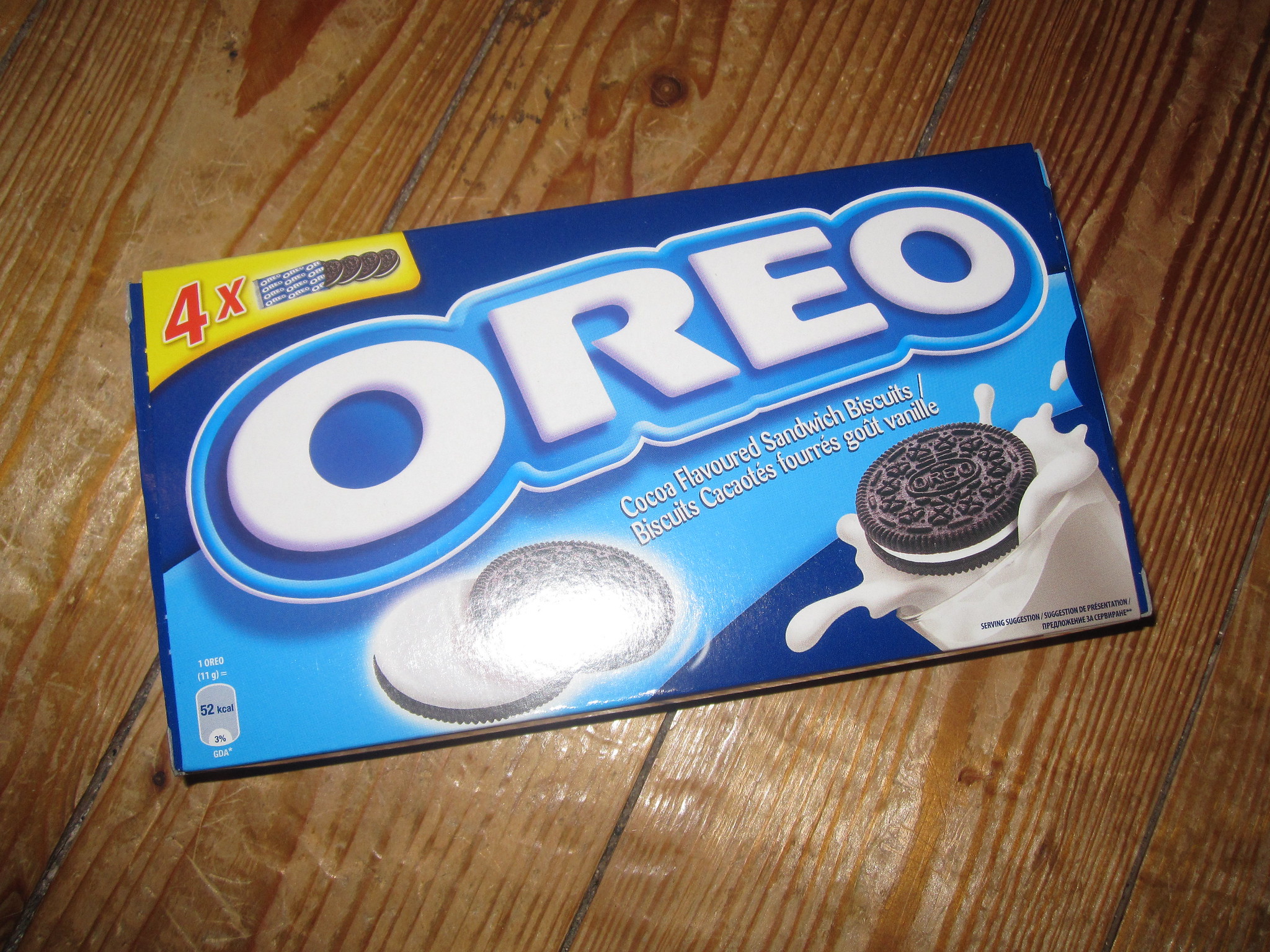
Traditional animation production costs reach hundreds of thousands of dollars, whilst the AI system operates at “orders of magnitude smaller” expense, Halvorson said. The technology will expand to Oreo product pages on the Amazon and Walmart platforms in November, followed by deployments for Lacta chocolate and Oreo in Brazil, and for Cadbury in Britain.
Pressure from tariffs
Consumer goods manufacturers face pressure from tariffs and shrinking household budgets, driving the adoption of AI technologies to reduce reliance on advertising agencies and accelerate product development cycles. Kraft Heinz and Coca-Cola have similarly experimented with AI-generated advertisements, though Coke’s 2024 computer-created holiday campaigns drew criticism for featuring artificial people lacking authentic emotion.
Mondelez avoids placing human likenesses in its AI content, maintaining strict guidelines that prohibit depictions of unhealthy eating habits, vaping, overconsumption, emotionally manipulative language, and offensive stereotypes. Human oversight remains mandatory for all generated content to prevent mishaps, according to Tina Vaswani, vice president of digital enablement and data.
The tool’s capabilities could extend to creating advertisements for the 2027 Super Bowl, representing a significant shift in how major brands approach high-stakes marketing campaigns. Cost savings would increase substantially if the system proves capable of producing more elaborate video content beyond current applications.
The Cadbury chocolate producer joins a broader industry transformation as packaged food companies leverage artificial intelligence to maintain margins whilst navigating economic headwinds. The technology promises faster content iteration and localisation across markets, though questions remain about consumer acceptance of AI-generated creative work.