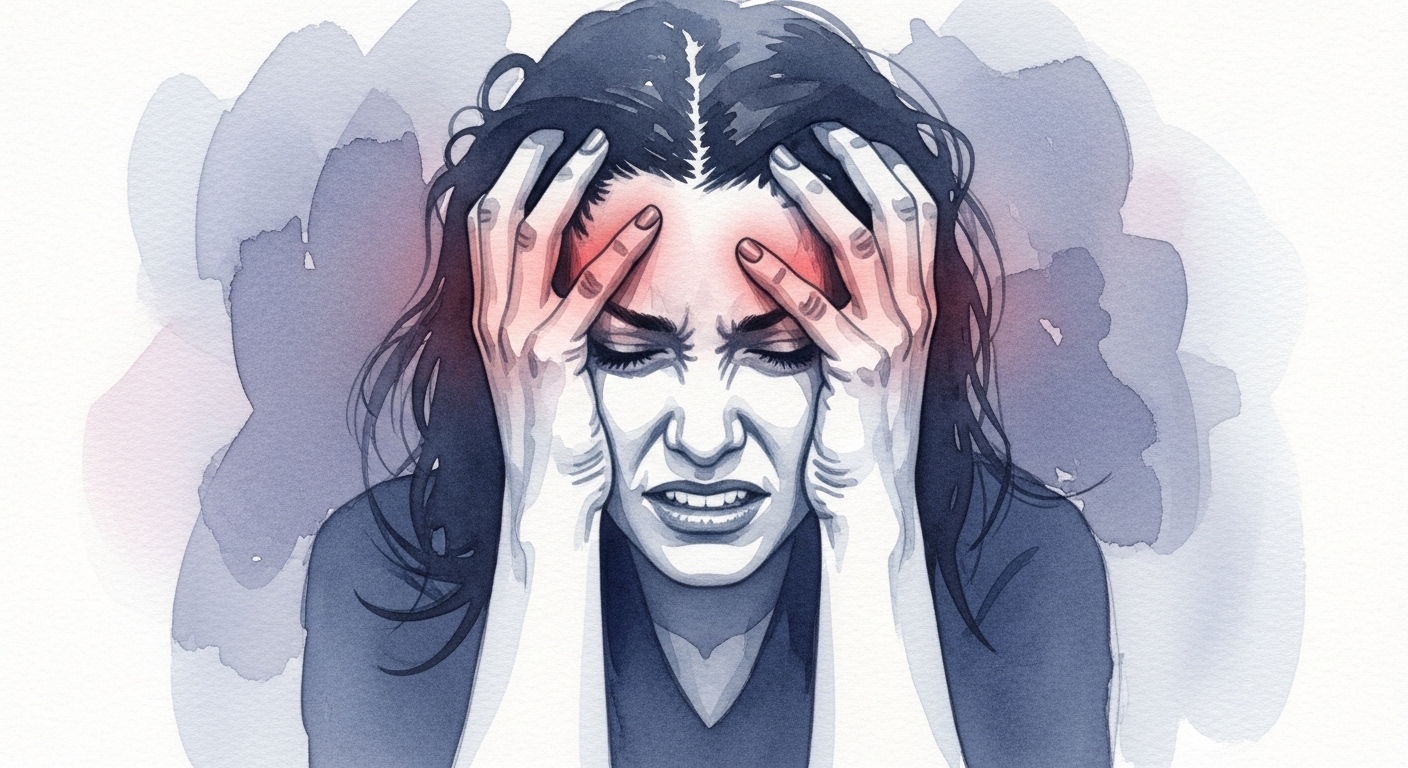

New research from the University of Portsmouth reveals that how well people cope with chronic pain matters more than the pain itself when it comes to maintaining physical activity levels.
The study, published in PLOS One, analysed 172 individuals living with chronic pain to understand what determines whether they remain active. Rather than pain intensity being the decisive factor, researchers discovered that pain resilience — the ability to maintain a positive attitude and push through discomfort — emerged as the strongest predictor of physical activity.
Dr Nils Niederstrasser from the School of Psychology, Sport and Health Sciences, who led the research, examined multiple factors including fear of movement, frailty, number of painful areas, and pain duration alongside intensity. The team used statistical models to identify which elements most influenced activity levels.
“What we found is that it’s not how much pain you’re in that determines whether you stay physically active – it’s how you think about and respond to that pain, indicating that how individuals respond to and think about pain matters more than their actual pain sensitivity,” said Dr Niederstrasser.
Primary preventions for pain
The findings challenge traditional approaches to chronic pain management that focus primarily on pain reduction. High pain resilience remained a key predictor of activity even after accounting for pain intensity, suggesting that building psychological resilience could be more effective than solely targeting pain levels.
Individuals with greater resilience maintained positive attitudes and continued activities despite discomfort. This psychological factor proved more influential than the actual pain experienced, marking a significant shift from the historical focus on negative factors like fear of movement.
“This is a significant shift from historically focusing on negative factors like fear of movement, to understanding the power of positive psychological resilience in managing chronic pain,” Dr Niederstrasser explained.
The research builds on Dr Niederstrasser’s previous work showing that high physical activity levels can lower the risk of developing chronic pain. That earlier study indicated prevention programmes should include exercise, weight management and support for social inequalities.
The implications extend beyond individual pain management. Healthcare providers might achieve better outcomes by incorporating resilience-building interventions alongside traditional pain treatments. Rather than concentrating solely on reducing pain, clinics could help patients develop coping strategies that enable them to stay active despite discomfort.
Future research could examine whether targeted interventions to enhance resilience in chronic pain patients directly increase activity levels, potentially offering new pathways for treatment.