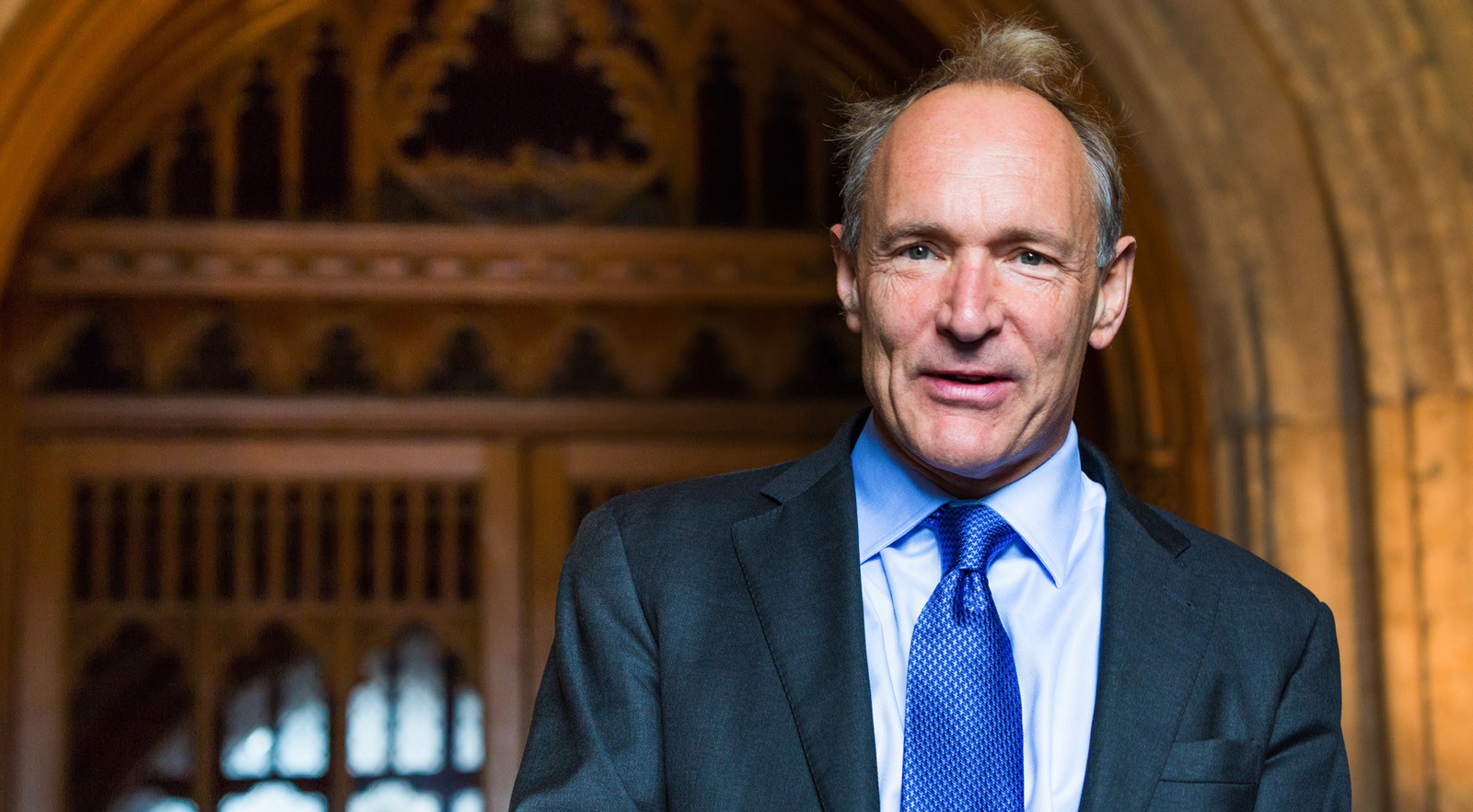

Sir Tim Berners-Lee has warned that artificial intelligence companies are extracting data from the web in ways that threaten to collapse the advertising model underpinning much of the internet, reports The Verge.
The inventor of the World Wide Web said AI browsers from OpenAI, Google and others are exciting but create a fundamental problem. If users stop clicking through to websites, the entire revenue model breaks down.
“If nobody is actually following through the links, if people are not using search engines, they’re not actually using their websites, then we lose that flow of ad revenue,” Berners-Lee said in an interview on The Verge’s Decoder podcast. “That whole model crumbles.”
His comments come as multiple companies launched AI-powered browsers in recent weeks, including OpenAI’s Atlas and Google’s Chrome AI features.
Extraction rather than collaboration
Berners-Lee acknowledged that AI has inadvertently achieved his long-held vision of a machine-readable Semantic Web, but through extraction rather than the collaboration he originally envisioned.
For years, he campaigned for database owners to voluntarily open their data in structured formats. “Now AI will do that,” he said. “Now we’ve got another wave of the Semantic Web with AI.”
Berners-Lee’s current company, Inrupt, is developing data wallets using the open source Solid protocol to give users control over their personal information while enabling AI assistants to access it on their behalf.
“The right place to end up is where you’re totally in control of your data,” he said.
Inrupt has developed an AI assistant called Charlie, which accesses user data stored in Solid-compatible wallets. The company has worked with the BBC and the government of Flanders in Belgium.
Unlike the early web, where Berners-Lee persuaded competing companies to adopt common standards through the World Wide Web Consortium, he sees no clear path to similar cooperation in AI.
“I don’t see it happening,” he said when asked whether AI companies could be convinced to collaborate on standards.
He expressed scepticism that market forces alone could create an interoperable, user-controlled web, saying he could not see meaningful change happening without regulation.



